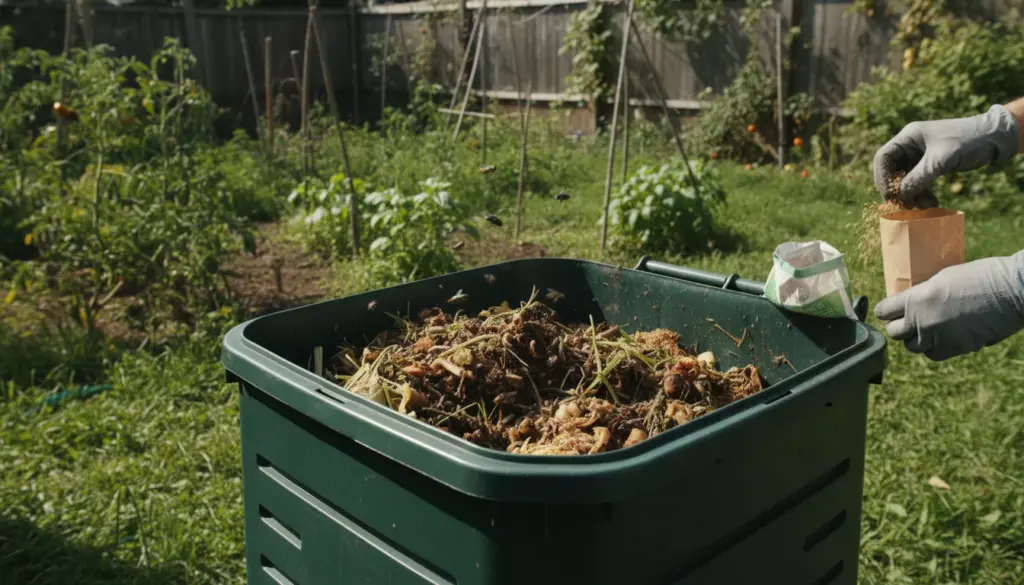
The moment summer heat kicks in, that familiar, unwelcome sight returns: crawling pests taking over your organic waste. Fortunately, taking a few proactive steps can easily stop these squirming larvae in their tracks and keep your bin completely clear.
These wriggling intruders are actually the offspring of common houseflies and blowflies, drawn in by the potent scent of rotting food and excess moisture. As organic materials break down, they release a mix of butyric acid and hydrogen sulfide—a cocktail that acts like a magnet for passing insects. Once inside that dark, humid, and warm container, a single fly can comfortably deposit up to 150 eggs every couple of days.
Before you know it, those tiny eggs hatch into a full-blown infestation. Breaking this unsanitary cycle requires a two-pronged approach: blocking the adult insects from getting inside and eliminating the environment they need to survive. The absolute most crucial weapon in your arsenal? Keeping everything as dry as possible.
How to Prevent a Maggot Infestation in Your Organic Bin
- Strategic placement: Position your container in a permanently shaded, cool area, such as inside a well-ventilated garage. Basking in direct sunlight will only speed up the decomposition process, which rapidly intensifies those alluring smells.
- Eliminate excess moisture: Always wrap soggy kitchen scraps tightly in sheets of old newspaper before throwing them away. You can effectively soak up pooling liquids by adding alternating layers of cardboard egg cartons, dry grass clippings, or wood chips throughout the waste. If you are out of sawdust, inexpensive natural pet bedding or regular garden compost works wonderfully as an absorbent buffer. As a bonus, many of these kitchen leftovers can ultimately be repurposed as rich, natural fertilizer for your plants.
- Watch what you toss: Never throw animal-based products like leftover meat, fish, cold cuts, or dairy into your compost container. The degrading proteins are highly attractive to breeding flies, so these specific items should always be sealed tightly and placed in your regular trash receptacle.
- Secure the perimeter: Double-check that your lid shuts completely flush, ideally utilizing a tight rubber seal to block unauthorized entry. For an added layer of protection, try wiping the rim of the container with a diluted solution of essential oils—specifically lavender or citrus—which naturally repels winged pests.
- Neutralize foul smells: Periodically scatter a thin layer of natural rock dust directly over the rotting scraps. This simple addition works double duty by soaking up residual dampness while simultaneously masking the pungent odors of decay.
Clean the Receptacle Regularly
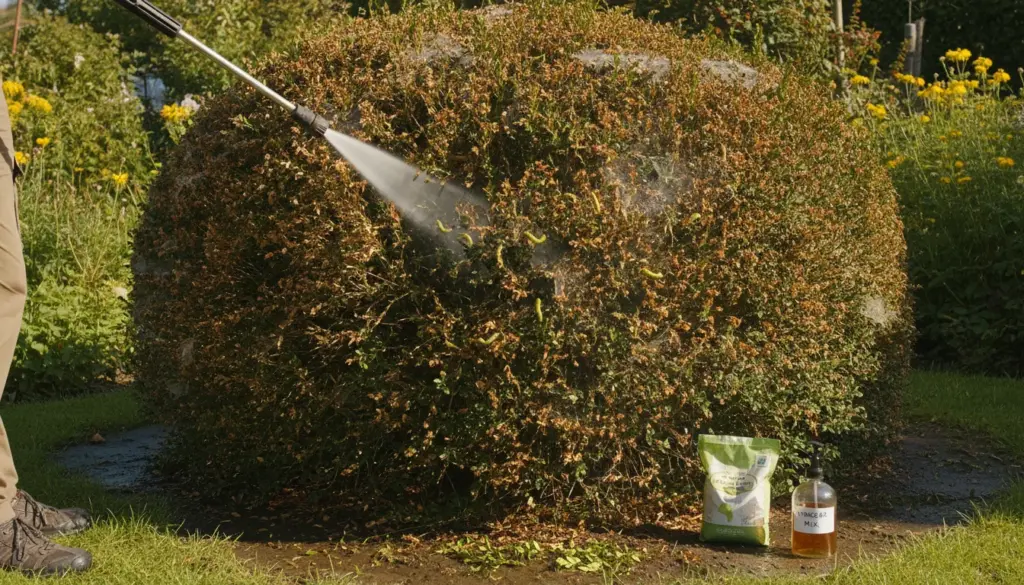
Thoroughly washing out your disposal bin should become a routine habit, ideally right after the municipal collection truck empties it. Blast the interior with a powerful stream from your garden hose or, even better, a pressure washer to dislodge sticky grime.
Next, scrub the inner walls and the underside of the lid using a simple mixture of water and vinegar. This acidic solution doesn’t just neutralize lingering stinks; it also acts as a potent deterrent against future insect visitors. Finally, leave the lid wide open and let the container bake in direct sunlight until it is absolutely bone dry before you begin tossing in any new scraps.