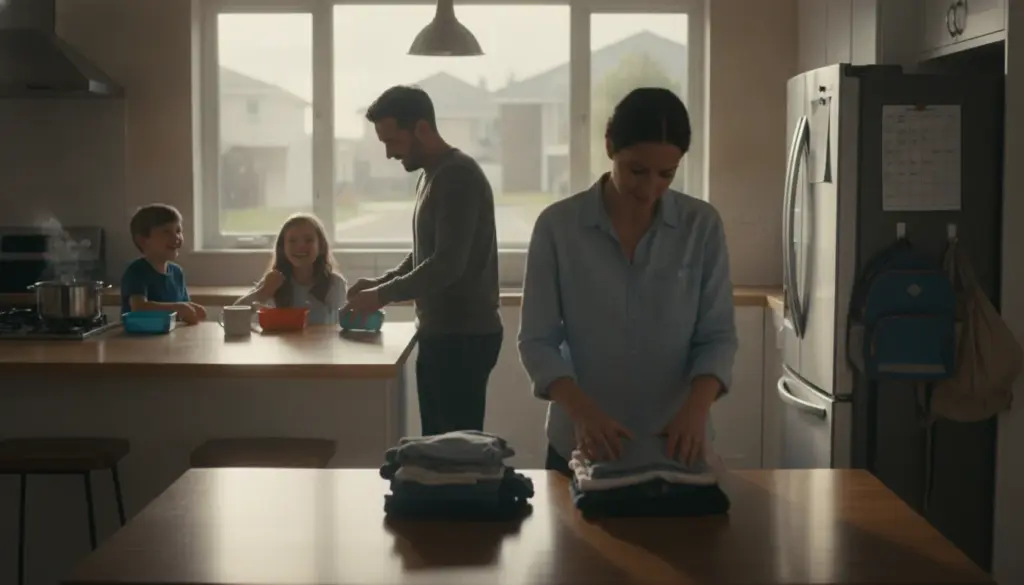
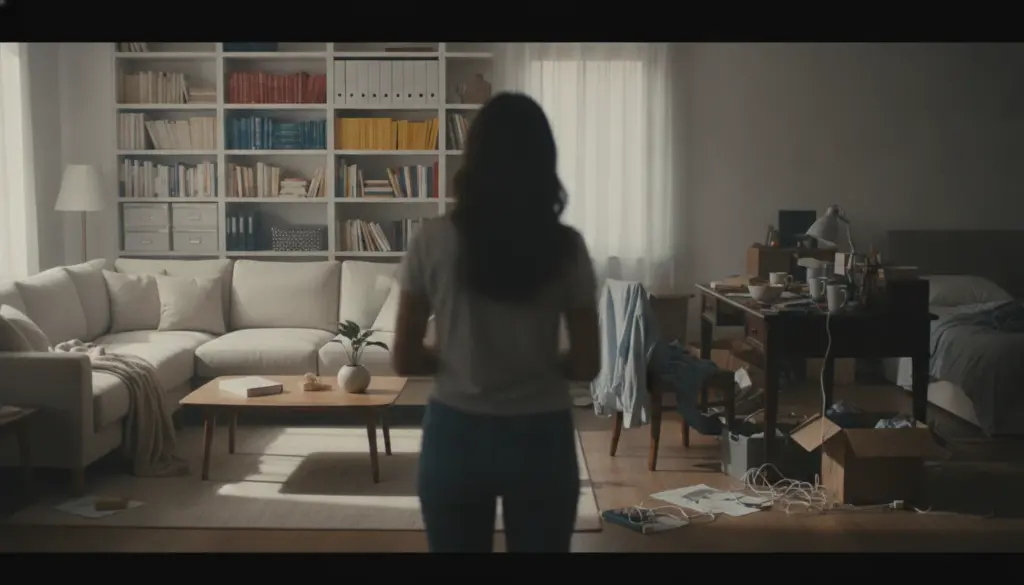
The arrangement of your belongings actually speaks volumes about your internal world. Clinical experience and organizational studies consistently show that our living spaces are far from mere backgrounds. Instead, the level of tidiness or chaos in a room actively influences cognitive function, focus, and hormonal balance. Looking closely at your surrounding environment can uncover fascinating insights regarding your current psychological well-being.
Why Your Brain Struggles With Clutter
Human cognition thrives on predictability and clear organization. Whenever a stray shirt hangs on a chair or documents pile up on the kitchen counter, these out-of-place objects act as tiny visual alarms demanding notice. Processing all of this sensory input requires a significant amount of mental exertion.
Consequently, a highly disorganized space forces the mind to burn through its energy reserves just to filter out the noise. This constant processing leaves very little fuel behind for deep concentration or genuine relaxation.
Scientific analysis indicates that domestic disorganization produces a powerful cumulative effect on cognitive processing. This means the psychological toll essentially stacks up over time. While leaving a single coffee cup on the table is harmless, navigating around mounds of misplaced items for days acts like a slow leak, steadily draining your mental battery.
Rather than focusing on a single, deliberate activity, your mind becomes overwhelmed with countless microscopic chores. It constantly processes subconscious prompts to organize a pile, put away stray shoes, or finally deal with a lingering task. You do not even need to actively register these thoughts, as merely seeing the mess is enough to completely shatter your attention span.
What Persistent Messiness Suggests About Your Mental State
When a living space remains perpetually untidy, it typically points toward underlying emotional or psychological factors. Professionals frequently observe a strong correlation between chronic disorganization and specific internal struggles.
- Severe exhaustion or sensory overload