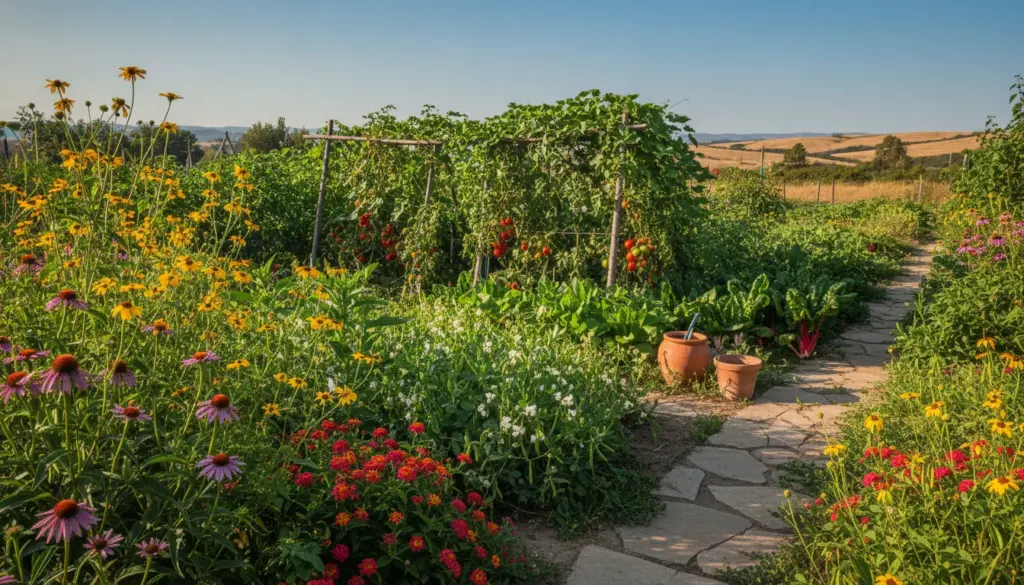
Creating a Resilient Summer Garden
As global temperatures climb and dry spells become more frequent, our outdoor spaces must adapt to the changing climate. While classics like lavender and tomatoes are well-known sun worshippers, a surprisingly diverse array of both ornamental and edible plants naturally thrive in scorching conditions. Cultivating a beautiful midsummer garden relies on choosing the right resilient varieties rather than constantly fighting against the elements.
Beyond the standard succulents and desert flora, there are plenty of colorful blooms and productive crops ready to brave the warmest microclimates. Here is a curated selection of heat-hardy plants that will effortlessly flourish under intense sunlight.
1. Tickseed (Coreopsis)
Originating from harsh, open prairie environments, this vibrant perennial is perfectly adapted to unforgiving sunlight. The brilliant golden blossoms of the tickseed act like a magnet for local pollinators while easily shrugging off sweltering afternoon temperatures. It establishes deep, robust root systems, allowing the plant to confidently outlast typical summer dry spells without wilting.
2. Tall Verbena (Verbena bonariensis)
This elegant, architectural flowering plant possesses a brilliant botanical defense mechanism against severe drought. Tall verbena utilizes exceptionally narrow foliage, which drastically minimizes vital water loss through transpiration. Furthermore, its towering purple flower clusters provide an irresistible, nectar-rich landing pad for butterflies during the hottest months of the year.
3. Peppers and Chilies
Tracing their genetic lineage directly back to the sun-drenched regions of Central and South America, these popular nightshades actually demand elevated temperatures to produce a bountiful harvest. Chili and bell pepper plants translate intense light and radiant warmth directly into fruit development and flavor concentration. Simply ensure their root zone remains consistently moist, and they will reward you with vibrant yields.
4. Moss Rose (Portulaca)
When the midday heat forces more delicate blooms to droop, this tough groundcover puts on its absolute best visual show. The moss rose features thick, fleshy leaves explicitly designed to hoard moisture for prolonged periods without rainfall. Interestingly, its dazzling, paper-like flowers are photo-sensitive and are triggered to unfurl only when bathed in direct, bright sunshine.
5. Black Radish
While many common root vegetables struggle and bolt in the heat, this dark-skinned heirloom variety possesses a hidden subterranean survival tactic. The swollen taproot of the black radish acts as an underground water reservoir, keeping the plant hydrated. As a fascinating culinary bonus, prolonged exposure to arid soil concentrates its mustard oils, resulting in a noticeably spicier, more robust flavor profile upon harvest.
6. Mandevilla (Dipladenia)
If you happen to have a blistering south-facing balcony or patio, this tropical vining plant is your ideal container companion. The Mandevilla produces a continuous, striking cascade of trumpet-shaped blossoms in vivid shades of crimson, pink, and crisp white. Because it naturally evolved in humid, tropical zones, it treats a baking concrete terrace just like its native habitat.
7. Eggplant
Achieving those heavy, glossy, dark-purple fruits requires a substantial amount of thermal energy. While the eggplant undeniably requires diligent and regular watering to support its massive leaves, it absolutely thrives in stifling heat waves that would otherwise stunt cooler-season crops. Situating them in the absolute warmest spot of your yard is crucial for a highly successful growing season.
8. Meadow Sage (Salvia nemorosa)
As its common botanical name suggests, this incredibly robust perennial evolved in unforgiving, dry plains. Meadow sage is a cornerstone for water-wise landscaping, effortlessly pushing through extended summer heatwaves without losing its dense visual appeal. The spiky, violet-blue flower stems maintain their deep color long after thirstier plants have completely faded.
9. Beeblossom (Gaura)
Bringing gentle movement and airy texture to parched garden beds, this North American native dances gracefully in warm summer breezes. Beeblossom establishes a deep, anchoring taproot that makes it exceptionally drought-tolerant once it settles into the soil. Gardeners can expect these delicate, star-shaped flowers to persistently bloom from the peak of summer straight through to the very first autumn frost.
10. Onions
This humble, everyday garden staple is remarkably self-sufficient when the seasonal temperatures soar. Onions naturally require very little overhead irrigation, heavily relying on their layered bulb structure to sustain the plant through long, dry stretches. However, as an expert cultivation tip: while they can easily survive on minimal moisture, providing supplementary watering during the active bulb formation stage will significantly increase your final harvest size.