
A Neon Anomaly in the Morning Haul
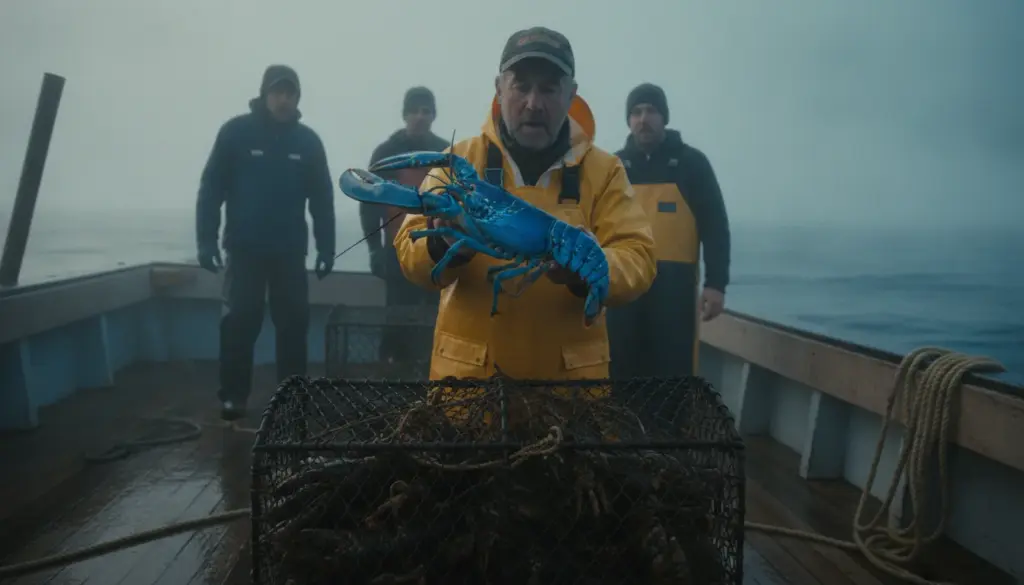
A standard, misty morning on the Atlantic Ocean quickly transformed into an unforgettable event for one local fishing crew. Hauling up traps is usually a highly predictable routine filled with brown and mottled-green catches. But as one particular cage hit the deck, a blindingly bright anomaly immediately captured the crew’s attention.
Sitting among the standard crustaceans was a creature radiating an artificial-looking, electric blue hue. It was a sight so jarring that it looked like someone had heavily edited the animal using design software. The captain knew instantly that this was a once-in-a-lifetime marine marvel.
The Biology Behind the 1-in-200 Million Catch
Marine experts often describe this specific find as hitting the biological jackpot. The odds of discovering a lobster featuring this neon, glowing carapace are estimated at roughly one in 200 million. Instead of blending seamlessly into the murky, kelp-covered ocean floor, this striking specimen looks more like a character from a video game.
What exactly causes this mesmerizing, alien-like appearance? The secret lies in a highly unusual genetic mutation. A typical lobster shell contains a balanced blend of yellow, red, and blue pigments, which combine to create a natural, muddy camouflage.
In this rare specimen, a genetic glitch triggers an overproduction of a specific protein. This imbalance allows the blue pigment to completely overpower all other tones, resulting in a spectacular visual anomaly. It is as if nature maxed out a single color slider by mistake.
What Happens to a Miraculous Catch?
The immediate instinct on any commercial vessel is to sort and sell the daily haul. However, pulling a creature this rare from the depths entirely shifts the atmosphere on deck. Rather than tossing it into the standard commercial bins, the crew carefully isolated the vibrant animal in a separate, highly oxygenated crate.
Landing such a unique prize sparks an instant internal debate. Do you cash in on the rarity, or do you preserve it for public marvel? While a rare catch could fetch a premium price, many seasoned mariners feel an unspoken obligation to protect these oceanic anomalies.
Today, the prevailing advice from marine biologists is to keep these stunning creatures out of the cooking pot. Many crews voluntarily partner with local marine institutes, ensuring these vibrant oddities are safely housed in educational exhibits where future generations can admire them.
Best Practices for Handling Rare Marine Life
Encountering a statistically miraculous catch requires a specific, careful protocol:
- Identify the anomaly: Quickly recognize the unusual pattern, shape, or vivid coloration.
- Isolate safely: Transfer the animal into a secure, separate tank with ample water and oxygen.
- Document the details: Snap clear photos and accurately record the exact depth and coordinates of the catch.
- Reach out to experts: Contact a nearby marine research facility or public aquarium.
- Decide on the outcome: Collaborate with researchers to either release the creature or safely rehome it for scientific observation.
Why This Bright Blue Marvel Captivates Us
Whenever an image of a neon-blue lobster surfaces online, it almost instantly goes viral. Beyond the initial accusations of photo manipulation, these images resonate deeply because they expose how mysterious our oceans remain. We might stroll along the pier assuming we understand the sea, yet the depths continually produce surprises that leave even veteran marine biologists in awe.
This dazzling catch also highlights the unpredictable nature of our marine ecosystems. With oceans warming and food chains shifting, scientists are actively studying whether climate-induced stress might lead to an increase in visible genetic mutations.
While comprehensive biodiversity reports often go unread by the general public, a single photograph of a glowing blue crustacean on a wooden deck has the power to spark widespread curiosity and vital conversations about ocean conservation.
Frequently Asked Questions
Just how rare is an electric blue lobster?
Marine researchers estimate the probability of this vivid coloration at about one in 200 million. While this is a broad scientific calculation, it perfectly highlights the sheer improbability of the catch.
What creates this intense blue shade?
A unique genetic defect disrupts the normal distribution of shell pigments. The animal overproduces a specific protein, allowing the blue hue to completely mask the standard red and yellow tones.
Are these rare lobsters ever eaten?
Historically, they sometimes ended up on a dinner plate before their extreme rarity was fully understood. Today, captains almost universally choose to donate them to scientific institutions or safely return them to the ocean.
Does the color change if it gets cooked?
Yes. Just like a standard brown or green lobster, extreme heat destroys the other pigments, leaving only the red behind. The magnificent electric blue color would vanish completely in boiling water.
Where can the public view these blue specimens?
Exceptional catches are frequently donated to public aquariums along coastal regions. Since these exhibits rotate, it is always a good idea to check the social media pages of local marine centers for their latest unique arrivals.