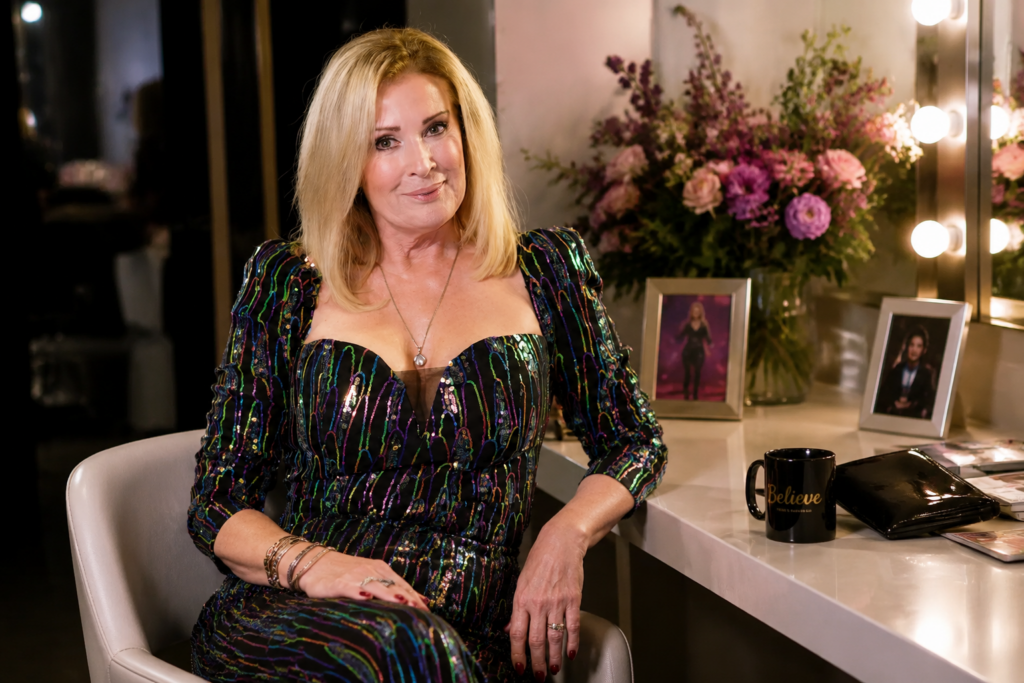
Former Coronation Street star Beverley Callard has candidly admitted she was left “in shock” by the debilitating physical toll following her breast cancer treatment. In a personal update published on 21 July 2026, the 69-year-old actress revealed that the days succeeding her 10th and final session of radiotherapy proved significantly harder than anticipated.
The television veteran, who portrayed Rovers Return landlady Liz McDonald on the ITV soap across 3 decades, completed her treatment cycle last Thursday. However, taking to social media from her bed, she described experiencing a battery of challenging side effects as her body recovers.
Despite initially feeling optimistic about completing her clinical regime, Callard disclosed feeling overwhelmed by severe exhaustion, dizziness, nausea, and intense skin sensitivity around her chest. The actress explained that she has relied on soothing aloe vera lotions to manage local inflammation while attempting to maintain her physical strength.
“In my naivety I thought ‘well that’s great’… but this weekend, oh my god, I’ve felt dreadful,” stated Beverley Callard, former Coronation Street actress. She added that healthcare staff had warned her recovery would be a gradual process, recalling one practitioner noting: “It’s not actually over. Really, it’s the beginning when you sort of finish your treatment.”
Her diagnosis came 6 months ago in February 2026, shortly after she collapsed during filming for I’m A Celebrity… South Africa and was forced to leave the production camp.
Following her open disclosure, figures across the UK entertainment industry and supportive viewers flooded social platforms with messages of encouragement. Among those reaching out was her husband Jon McEwan, as well as high-profile media colleagues.
“You’re doing really well Beverley… Be kind to yourself,” expressed Nana Akua, broadcaster and presenter at GB News.
Addressing others undergoing similar oncological journeys, Callard urged fellow patients not to rush their recovery phase, stressing the necessity of mandatory rest when managing treatment fatigue.
Oncological specialists note that side effects from radiotherapy, such as persistent fatigue and acute skin reactions, often peak in the 2 to 3 weeks following the completion of sessions as tissue repair takes place.
It is important to note, however, that individual recovery timelines and side effect severity vary significantly, and expert advice from a qualified medical doctor, NHS oncologist, or certified cancer support service should always be sought when managing post-treatment symptoms.