Scorching summers and unpredictable rainfall are pushing traditional backyard plants to their absolute limits. Weeks without a single drop of water are suddenly interrupted by fierce thunderstorms, leaving many gardening enthusiasts frustrated when their usual landscaping methods fail. Expansive lawns turn into brittle, brown patches, while delicate ornamentals barely survive without constant, intensive watering. To understand how we can transform our outdoor spaces into resilient havens that handle these shifting weather patterns, we can look to the insights of Silvia Teich, a spokesperson for the German Nature Conservation Union (NABU) in Berlin.
Future-Proofing: Heat Resistance Alone Is Not Enough
When attempting to make a yard climate-ready, most people immediately focus entirely on water shortages. However, true adaptation goes far beyond just managing drought and high temperatures. Severe weather events, including heavy downpours and strong winds, are becoming increasingly common and must be factored into your landscaping strategy.
A truly modernized garden has to juggle multiple roles at once. It needs to thrive on minimal irrigation, actively buffer soaring temperatures, and soak up sudden deluges rather than letting water run off the surface. Consequently, heavily paved areas and trendy gravel beds are becoming major liabilities in our changing climate.
Rethinking Thirsty Garden Classics
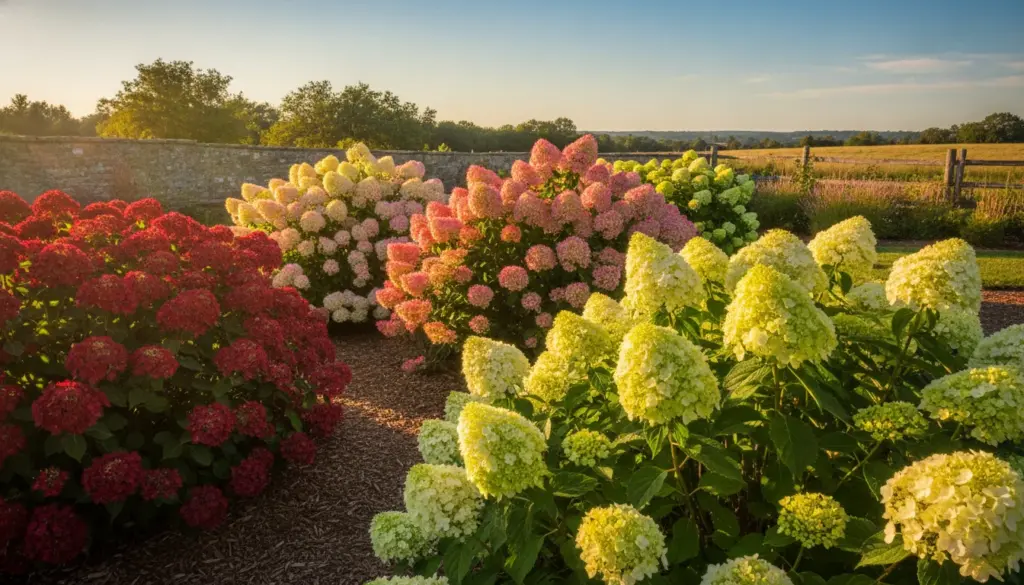
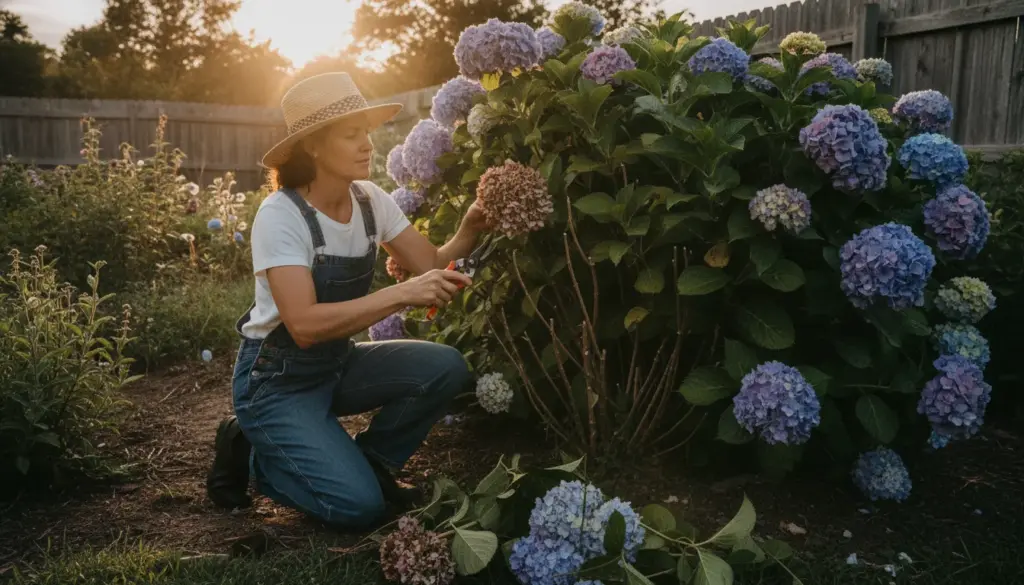
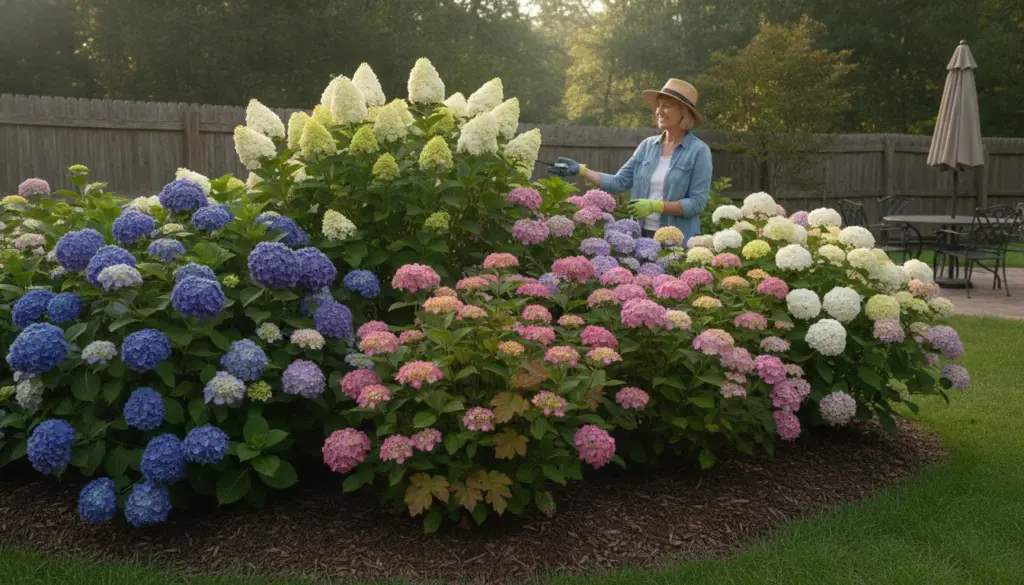
Species that rely on massive, regular soakings just to maintain their appearance are becoming increasingly problematic. This is exactly where a shift in perspective is necessary. Experts strongly advise against planting highly demanding varieties like hydrangeas. During peak summer months, these thirsty shrubs often require daily watering, a practice that is simply no longer sustainable given looming water scarcities.
Common trouble spots in traditional landscapes include:
- Expansive manicured lawns that scorch quickly and swallow vast amounts of moisture.
- Large-leaved perennials and ornamental shrubs placed directly in baking sunlight.
- Heavily sealed driveways, patios, and paths that prevent natural rainwater absorption.
Recognizing these vulnerable areas is the first crucial step toward finding smarter, hardier alternatives.
Selecting Plants That Shrug Off the Heat
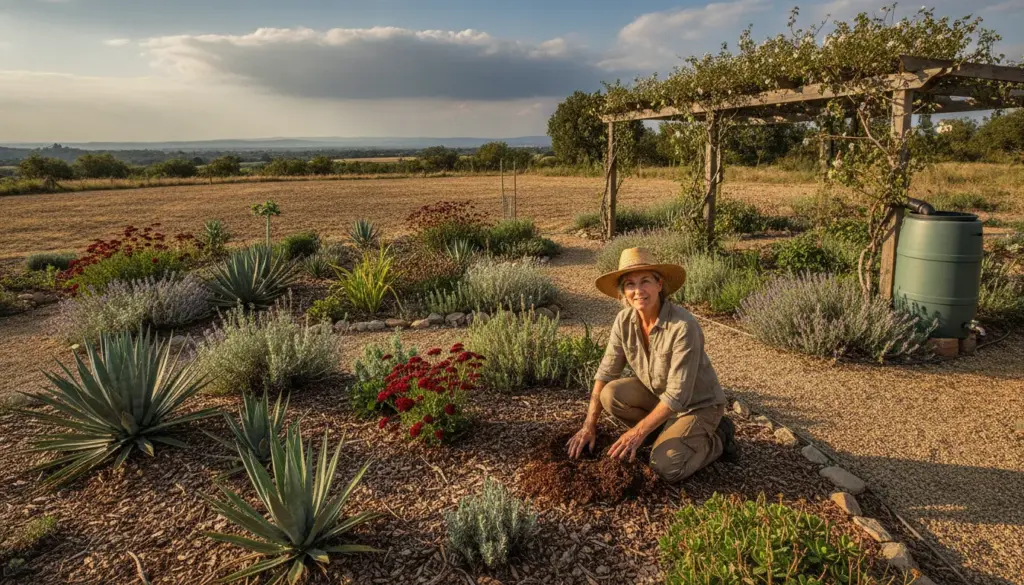
Fortunately, a wide array of stunning plants can effortlessly endure extended dry spells while simultaneously supporting local pollinator populations. Focusing on drought-tolerant flowering varieties is a fantastic way to build long-term resilience. Outstanding choices include:
- Wild Oregano (Dost): Incredibly robust, thrives in full sun, and acts as a magnet for countless beneficial insects.
- Meadow Sage: Perfect for natural or cottage-style layouts, offering low-maintenance care and a long blooming season.
- Viper’s Bugloss: Flourishes in nutrient-poor, bone-dry soils while providing abundant nectar.
You can seamlessly integrate these heat-loving perennials into your existing flower beds, use them to gradually replace struggling turf, or plant them along a sun-drenched fence line.
Transforming Your Yard Into a Natural Air Conditioner
A well-adapted outdoor space should actually feel noticeably cooler during the summer than a standard, heavily paved property. The secret to achieving this microclimate lies entirely in maximizing lush greenery and abundant shade. To actively cool its surroundings, your yard must be densely planted, which immediately disqualifies those sterile, stone-heavy landscapes that have recently trended.
Instead of relying on pebbles and rocks, consider incorporating:
- Native woody hedges: Shrubs like cornelian cherry, elderberry, or blackthorn act as windbreaks, provide cooling shade, and protect the topsoil from baking dry.
- Herb and wildflower meadows: These serve as a brilliant alternative to tightly mowed decorative grass. They retain moisture far longer and handle intense sun with ease.
- Diverse perennial beds: Focusing on native species increases biodiversity. A higher variety of plants ensures the overall ecosystem remains stable even under environmental stress.
- Climbing plants: Allowing vines to cascade over walls and facades shades the architecture, dramatically improving the microclimate immediately surrounding your home.
Whenever feasible, make an effort to unseal surfaces. Opt for permeable pathways, allow greenery to fill paving joints, and design beds that capture and hold rainwater deep within the soil. This crucial stored moisture will remain accessible to roots during dry spells, rather than being uselessly flushed down the neighborhood storm drains.
A Gradual Shift Toward a Climate-Resilient Oasis
Adapting your beloved green space for future heatwaves doesn’t mean you have to rip everything out and start from scratch this weekend. Garden specialists who tackle everyday horticultural challenges—from pruning berry bushes and managing persistent pests to testing natural weed remedies—emphasize that the best approach is a gradual transformation. Begin by targeting just one or two specific areas each season.
You might start by converting a small patch of struggling lawn into a vibrant wildflower haven, swapping out a few notoriously thirsty shrubs, or lifting a few paving stones to let the soil breathe. Over time, these deliberate, incremental changes will cultivate a landscape that easily shrugs off heavy rains and blistering heat. Ultimately, you’ll create a thriving, low-maintenance sanctuary that benefits local wildlife, the environment, and your own peace of mind.