As summers grow increasingly scorch-like and rainfall becomes wildly unpredictable, traditional backyard setups are reaching their limits. Many familiar plants simply cannot handle these shifting conditions. Navigating these changes requires a thoughtful, step-by-step approach to landscape adaptation.
Homeowners are increasingly dealing with weeks of dry spells followed by sudden, violent thunderstorms. The classic aesthetic is faltering under these extremes. Lush grass quickly morphs into dry brown patches, while delicate ornamental flowers demand non-stop watering just to survive. According to Silvia Teich, spokesperson for the Nature and Biodiversity Conservation Union (NABU) in Berlin, creating a resilient outdoor space involves a complete rethink of how we manage our green havens.
Future-Proofing: Heat Resistance Is Only Half the Battle
When aiming for a climate-fit yard, most people immediately focus on surviving droughts. However, this perspective is too narrow. True climate adaptation means bracing for a variety of extreme conditions, including severe storms and torrential downpours. These intense weather events are becoming more frequent and must influence our plant choices and overall design strategies.
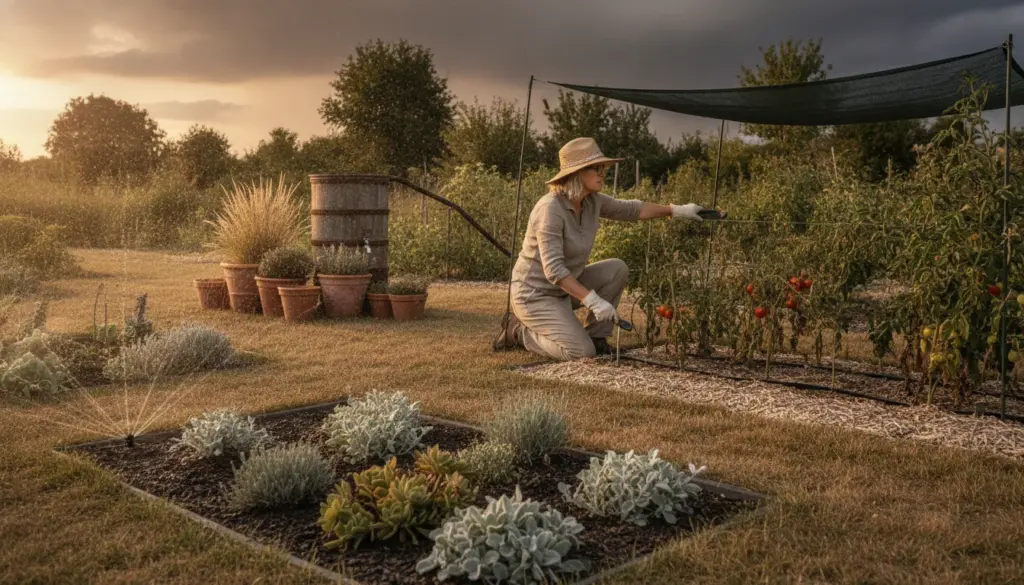
A forward-thinking garden has to multitask seamlessly. It must thrive on less irrigation, naturally cool the surrounding air, and act like a sponge during heavy rainfall rather than letting water wash away. Consequently, heavily paved areas and barren rock landscapes are becoming major liabilities.
Thirsty Classics: Time to Rethink High-Maintenance Plants
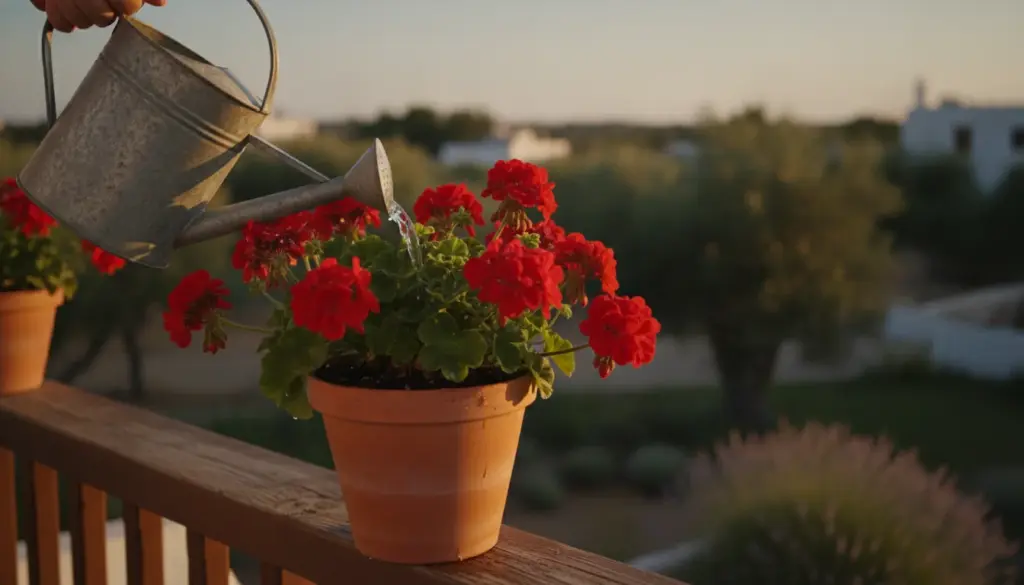
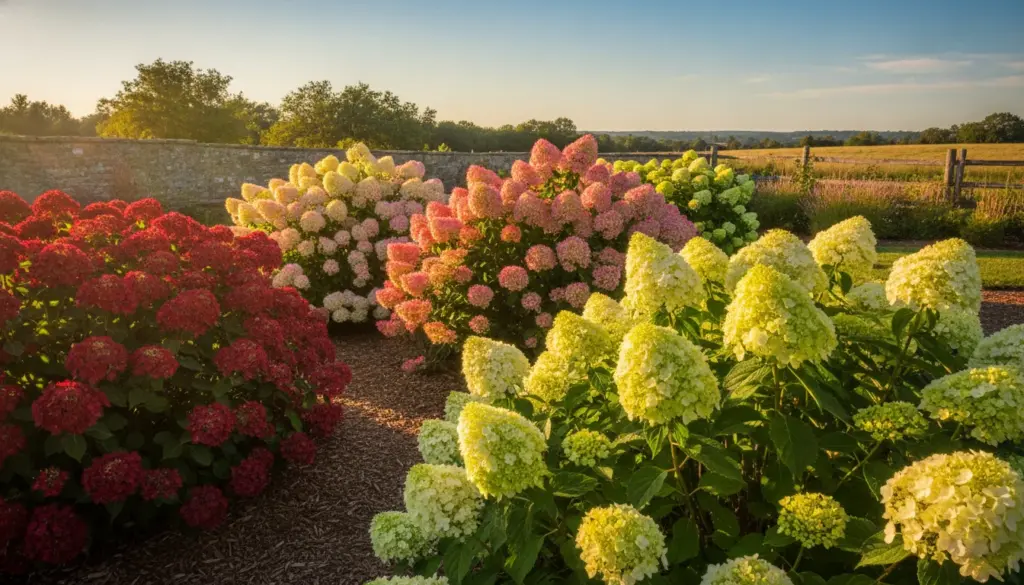
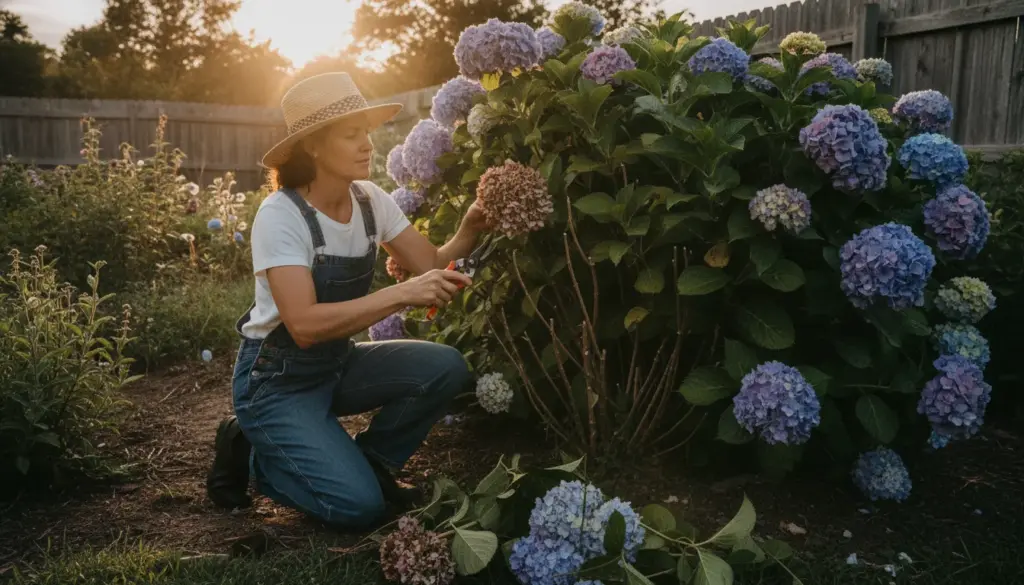
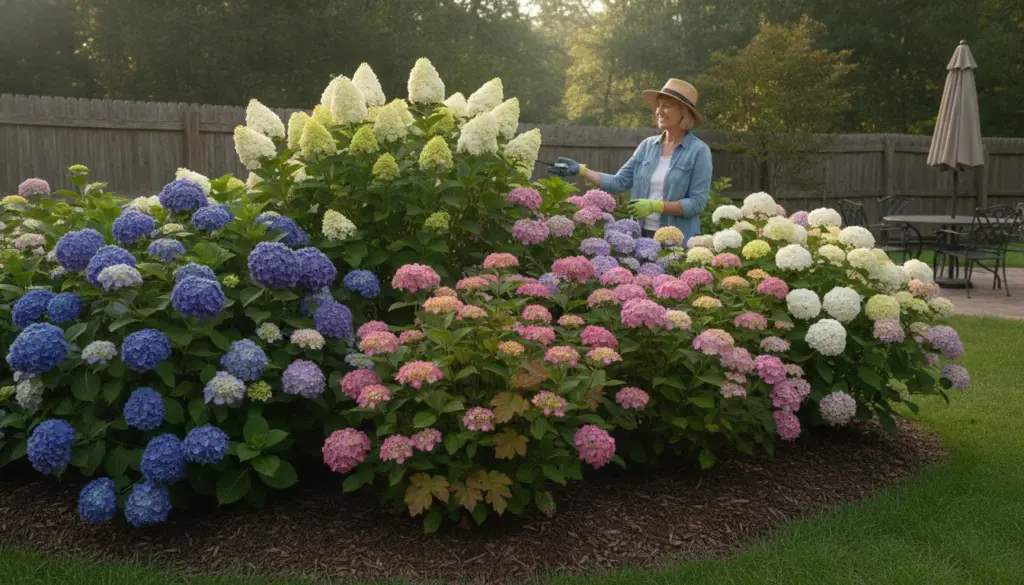
The biggest troublemakers in our yards are species that only look appealing when drenched in massive amounts of water. This is exactly where gardening habits need to evolve. It is highly advisable to phase out extremely thirsty favorites like hydrangeas. During peak summer months, these water-guzzlers often require daily soaking, which is simply no longer sustainable given rising water scarcities.
Common problem areas in traditional layouts include:
- Expansive, manicured lawns that scorch quickly and drain water resources.
- Moisture-loving ornamental shrubs and large-leaved perennials placed in direct sunlight.
- Extensive paved pathways, patios, and driveways that cause rapid rainwater runoff.
Taking small steps to find robust alternatives can make a massive difference in these zones.
Tough and Beautiful: Plants That Excel in the Heat
Fortunately, transitioning to a resilient landscape doesn’t mean sacrificing beauty. There is a vast array of stunning flora that effortlessly endures dry spells while providing crucial nourishment for local wildlife. Opting for drought-tolerant bloomers is a smart move. Top recommendations include:
- Wild oregano: Incredibly tough, thrives in full sun, and acts as a magnet for countless pollinators.
- Meadow sage: Perfect for rustic or cottage designs, boasting a long blooming period with minimal upkeep.
- Viper’s bugloss: Flourishes in nutrient-poor, arid soils while supplying abundant nectar for insects.
These sun-loving perennials can gradually replace water-intensive varieties in existing flowerbeds, along sun-baked fences, or in areas where the turf has failed.
Transforming Your Yard Into a Natural Air Conditioner
A well-designed, climate-adapted space should actually feel noticeably cooler during the summer than a standard, heavily paved lot. The secret to this refreshing microclimate relies on maximizing greenery and casting plenty of shade.
An outdoor area capable of cooling its environment needs dense vegetation and protective canopies. This fundamental requirement immediately rules out trendy but impractical gravel gardens. Instead of relying on pebbles and crushed stone, consider these vibrant alternatives:
- Native hedges utilizing plants like cornelian cherry, elderberry, or blackthorn to block harsh winds, cast cooling shadows, and shield the earth from rapid evaporation.
- Wildflower meadows or herbal lawns as a low-maintenance, resilient alternative to closely cropped turf. They retain moisture far better and shrug off intense heat.
- Diverse perennial borders featuring native species to build a stable, stress-resistant ecosystem.
- Climbing vines on walls and facades to shade building exteriors and dramatically improve the immediate microclimate.
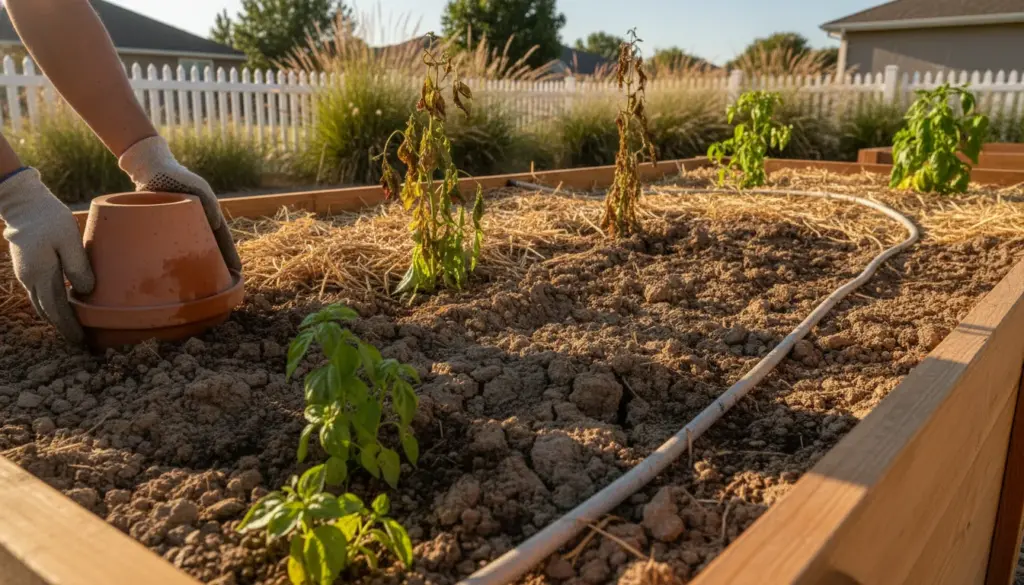
Wherever possible, hardscapes should be broken up. Utilizing permeable paving, planting between stone joints, and creating dedicated beds allows rain to sink directly into the soil. This banked moisture will sustain your plants through the next dry spell instead of vanishing down a storm drain.
Gardening Insights from Andrea Stettner
As an editorial voice dedicated to everything that blooms and grows, I spend my days exploring practical solutions for everyday yard challenges. My passion lies in sharing actionable advice on topics that impact our own backyards, from correctly pruning berry bushes and managing pesky insects to discovering simple, natural weed control methods. Staying informed on plant care and seasonal shifts ensures your green spaces remain vibrant all year long. Through continuous exchange with horticultural professionals, the best and most effective strategies are passed directly to everyday gardeners.
A Win-Win for Nature and Homeowners
Adapting to looming heatwaves does not require an overnight landscape overhaul. The most effective approach is to target just one or two specific areas each year. Whether it means converting a struggling patch of grass into a buzzing wildflower meadow, swapping out a few parched shrubs, or pulling up a concrete slab to plant a tree, every small action counts.
Over time, these gradual shifts will cultivate a stunning environment that easily withstands severe weather, demands far less watering, and provides a thriving sanctuary for both people and wildlife.