
Provide your backyard with a potent dose of valuable microorganisms by using compost tea. This sustainable practice naturally fortifies your plants and shields them from common diseases without relying on harsh chemicals.
Crafting this homemade elixir is a fantastic way to awaken the earth from within. While it might sound like pure gardening folklore, it is actually deeply rooted in science. The highly concentrated extract delivers millions of beneficial microbes directly to your garden beds. Best of all, brewing your own batch requires minimal effort and basic household supplies.
What exactly goes into a compost brew?
Just as the name implies, this liquid gold is essentially mature compost or worm castings steeped in water. During the brewing process, essential nutrients, humic acids, and vital living microorganisms are extracted. This creates a potent, easy-to-apply fluid that contains everything a thriving garden bed desperately needs.
The microbiome: A healthy garden is teeming with life
You might be surprised to learn that a single handful of rich earth contains more microorganisms than the entire human population. An invisible web of bacteria, fungi, and tiny organisms works tirelessly to keep the ecosystem functioning. They break down organic matter, unlock vital nutrients, and form incredible symbiotic relationships with plant root systems.
Why chemical fertilizers ruin the earth over time
Synthetic options certainly provide a quick nutrient fix, but they completely starve the natural microbes. Chemical fertilizers gradually deplete the earth, leading to a severe drop in valuable humus levels. Once the earth becomes exhausted, it loses its structural integrity and compacts heavily.
This compacted dirt struggles to retain moisture and suffers from poor aeration. Consequently, anything trying to grow in these conditions becomes weak and highly vulnerable to various pests and diseases.
Stimulating underground ecosystems with compost tea
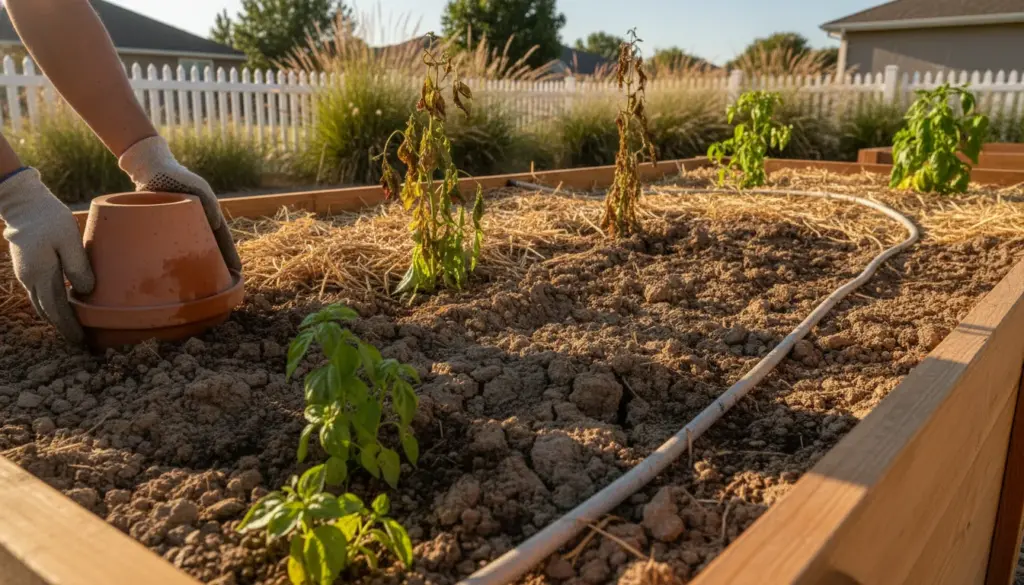
Applying this liquid regularly delivers targeted nourishment right to the microbiome. The microbes actively promote the buildup of humus, transforming dense dirt into a loose, crumbly texture. This improved structure holds moisture beautifully and ensures nutrients are readily available for uptake.
Loose, well-aerated earth encourages roots to dive deeper, making the entire plant highly resilient during dry spells. Additionally, the dissolved nutrients act as a gentle, continuous-release fertilizer that can be absorbed through both roots and leaves. Because the feeding happens slowly and naturally, over-fertilizing your garden is virtually impossible.
Fighting foliar fungi: A natural plant protector
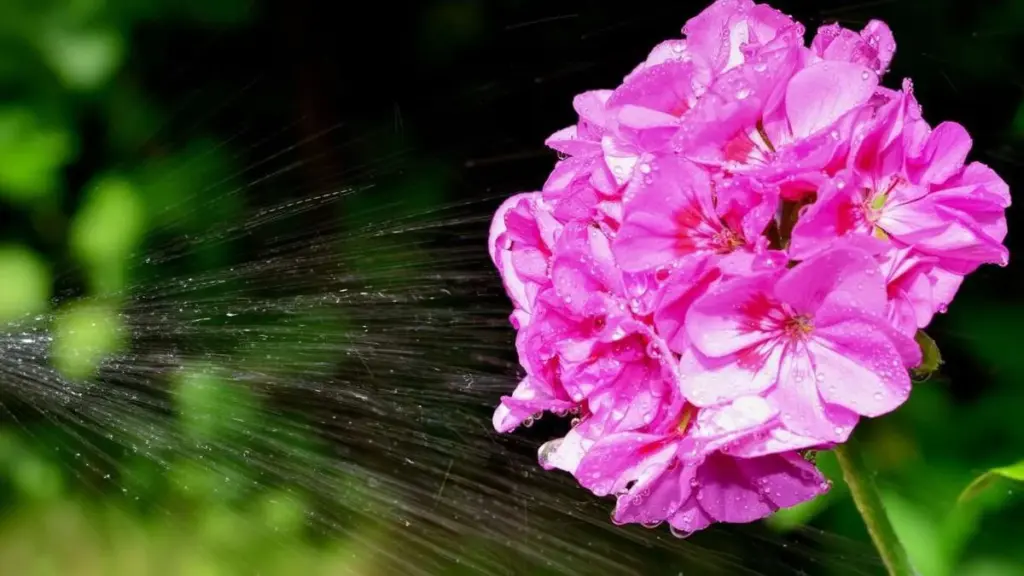
The helpful bacteria don’t just stay underground; they also colonize leaf surfaces and root zones. This dense microbial shield makes it incredibly difficult for harmful pathogens to take hold and spread.
Research strongly supports its preventative effectiveness against fungal diseases like powdery mildew, late blight, and gray mold. Because of this impressive protective barrier, organic and even some conventional farmers regularly rely on this brew as a natural defense spray.
Always focus on prevention
Remember that this method works exceptionally well as a preventative measure. Once a severe fungal infection has already taken over, its healing abilities are somewhat limited.
The perfect ingredients for your homemade blend
You do not need any complicated specialty items to start brewing. Here is a reliable base recipe to yield 100 liters of application-ready liquid:
- 10 liters of chlorine-free water (rainwater is ideal, or simply let tap water sit out overnight).
- 30 grams of finished compost or worm castings (preferably from your own yard to match local microbial life).
- 40 milliliters of sugar beet syrup (this serves as crucial food to multiply the microbes).
- 25 grams of rock dust to provide essential trace minerals.
- Optional: A biological plant strengthener to act as an extra microbial catalyst.
For the setup, you will need a suitable bucket, a small aquarium pump, and ideally an airstone. If you plan to brew in a chilly garage or cellar, an adjustable aquarium heater is a smart addition. You can easily find all these accessories at your local pet supply store.
Proper application techniques for maximum benefit
Before applying your freshly brewed concentrate, it needs to be properly diluted. Follow these general guidelines for the best results:
- Soil drenching: Mix 1 to 2 liters of the concentrate with 5 liters of water. Pour this directly onto the earth every one to two weeks.
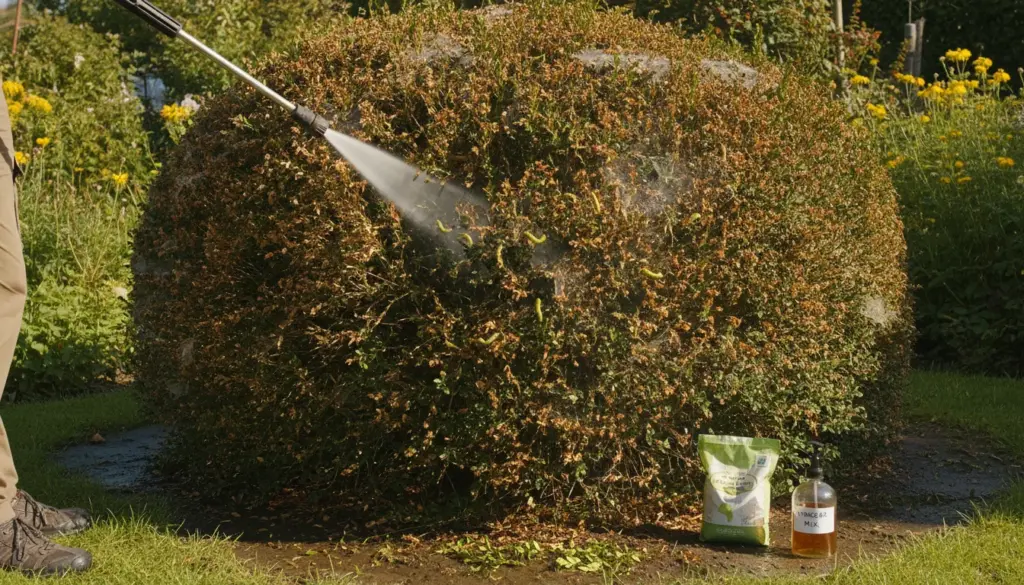
- Foliar spraying: Combine 1 liter of tea with 10 liters of water. Be sure to strain the liquid through a fine cloth first to prevent your spray nozzles from clogging. Mist the foliage thoroughly every one to two weeks.
Why you must use your brew immediately
This living liquid has an incredibly short shelf life. Once you turn off the aeration pump, you have roughly four hours to apply the mixture. After that narrow window, oxygen levels plummet, causing the beneficial organisms to die off or rot. You will know it has gone bad if it emits a sharp, foul odor. Always plan your brewing schedule so you can spray it right away.
Finally, make sure to wash all buckets, pumps, and hoses immediately after use while the biological film is still damp. As any gardener knows, dried-on grime is significantly harder to scrub away later.