How the Infestation Begins
As soon as the summer heat kicks in, an unpleasant surprise often awaits in your organic waste bin. Crawling white larvae seem to appear out of nowhere. However, by adopting a few clever strategies, you can easily stop these pests from taking over your trash and effectively eliminate existing invaders.
Those wriggling visitors are actually the offspring of common insects, typically blowflies or houseflies. These bugs are powerfully drawn to the damp, rotting environment of your discarded food scraps. As organic matter breaks down, it releases specific compounds like butyric acid and hydrogen sulfide, which act as an irresistible magnet for egg-laying adults.
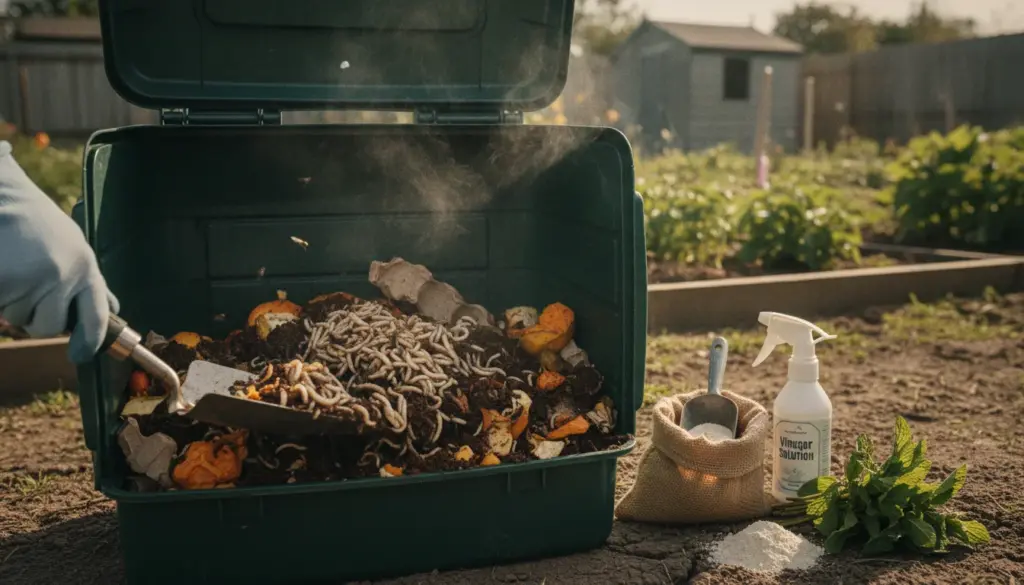
Inside that dark, humid container, flies discover the ultimate breeding sanctuary. A single female can comfortably deposit up to 150 eggs every couple of days. Within a surprisingly short timeframe, those tiny eggs hatch into a writhing mass of maggots.
Disrupting this unhygienic cycle requires two primary tactics: blocking the insects’ initial entry and eliminating their ideal living conditions. The absolute most critical factor in winning this battle is keeping the internal environment as dry as possible.
Effective Ways to Prevent Bin Maggots
- Smart placement: Make sure your container sits in a heavily shaded, cool area throughout the entire year, such as inside a well-ventilated garage. Basking in direct sunlight will only speed up the rotting process and intensify those foul odors.
- Control the moisture: Always swaddle your damp kitchen scraps securely in sheets of old newspaper before tossing them out. You can also build moisture-absorbing barriers at the base of the bin and between garbage layers using ripped egg cartons, dried lawn clippings, or sawdust. If you lack woodworking scraps, inexpensive natural pet bedding—like untreated wood shavings—or even standard compost will do the trick perfectly. Remember, many of these leftover food bits can alternatively serve as excellent natural plant fertilizer in your garden.
- Mind what you toss: Never throw animal-based items like leftover meat, cold cuts, fish scraps, or dairy products into the green bin. The heavy proteins in these specific foods act as massive fly attractants. Instead, seal them tightly in a separate bag and throw them in your standard household trash.
- Secure the lid: Your waste container needs to be sealed completely shut at all times, ideally utilizing an intact rubber gasket. For an extra layer of defense, try wiping the outer rim with a diluted solution of citrus extract or lavender oil, which naturally deters hovering insects.
- Neutralize the smell: Every so often, dust a generous layer of rock dust over your discarded organic matter. This natural mineral powder works wonders by soaking up excess condensation and heavily masking the pungent stench of decay.
The Importance of Routine Bin Maintenance
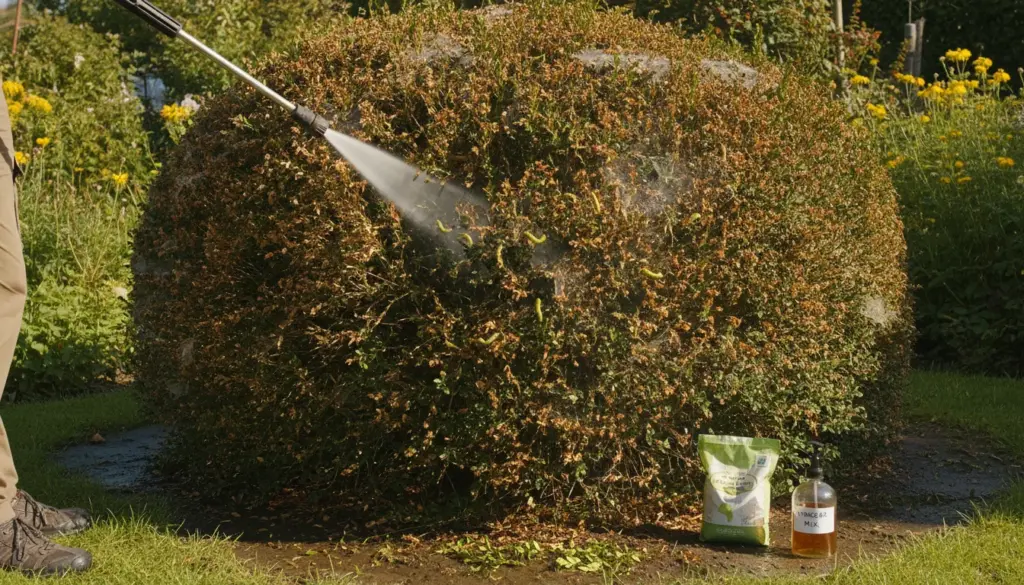
Make it a solid habit to wash out your organic container frequently, optimally right after the municipal trucks empty it. Blast the interior with a high-pressure washer or use a strong, focused nozzle on your garden hose to dislodge any stuck-on grime.
Afterward, thoroughly scrub the inner walls and the cover using a simple blend of water and white vinegar. This acidic wash not only neutralizes lingering stinks but also makes the surface highly unappealing to returning flies. Finally, leave the lid wide open and let the plastic dry entirely under the hot sun before throwing in any new waste.