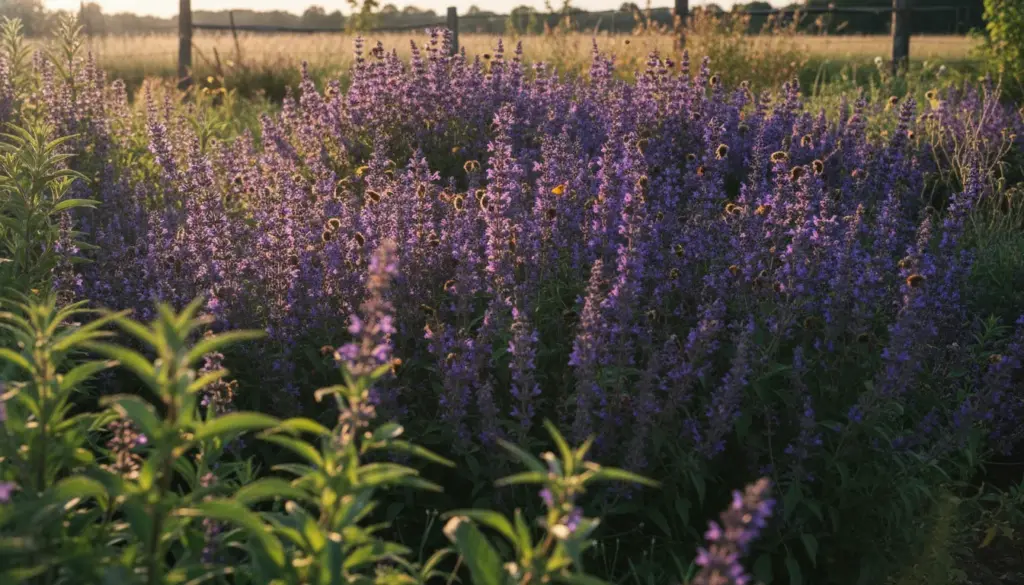
When we picture fragrant, purple-blooming garden beds, lavender is usually the first thing that comes to mind. However, the famous Mediterranean classic isn’t your only option. There is a remarkably similar-looking, native alternative that is significantly tougher and acts as an absolute magnet for local pollinators: woodland sage.
Why Woodland Sage is a Top Choice for Pollinators
Also known by its botanical name, Salvia nemorosa, this hardy perennial is a buzzing hotspot for butterflies, bumblebees, and honeybees. Its tubular blossoms are packed with nectar, serving as a critical nutritional resource for beneficial insects. Because it boasts an impressively long flowering window from May all the way through September, this low-maintenance ornamental ensures a steady food supply while looking spectacular in your yard.
Top Varieties to Brighten Your Outdoor Space
Woodland sage is incredibly versatile, available in numerous cultivars that vary in both height and color. Some of the most highly recommended varieties include:
- ‘Blauhügel’: A staple for perennial borders, famous for its brilliantly vibrant blue flowers.
- ‘Mainacht’: Stands out with deep, dramatic dark blue blossoms and tends to flower quite early in the season.
- ‘Amethyst’: Delivers soft, romantic pink blooms that look stunning on patios or in mixed beds.
- ‘Ostfriesland’: Creates striking visual contrast with its intense, deep purple coloring.
- ‘Schneehügel’: Features crisp white flowers, making it the perfect choice for brightening up darker corners of the garden.
Sunlight, Soil, and Simple Maintenance
To ensure your sage thrives and attracts the maximum number of insects, plant it in a warm, sun-drenched spot. It strongly prefers well-draining soil to prevent soggy roots. Thanks to its excellent drought tolerance, it is a highly resilient option for sunny balconies, classic flower beds, and rock gardens alike.
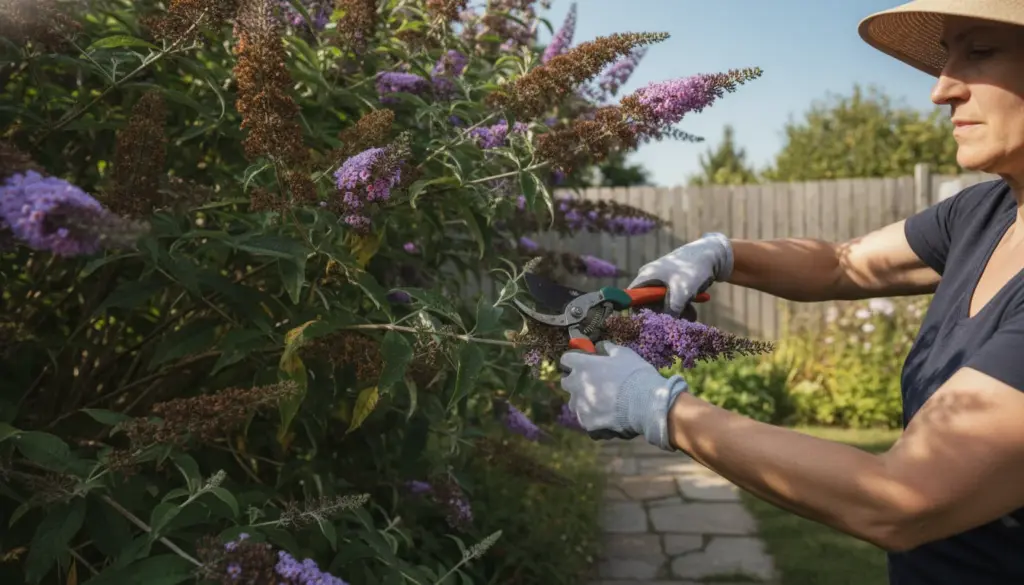
One of the best traits of woodland sage is that it is a remontant plant, meaning it can bloom twice in a single season. Simply cut the plant back by roughly one-third immediately after its first flowering phase and apply a light dose of fertilizer. This encourages a fresh flush of blooms, extending the vital nectar buffet for local bees well into late summer.
Expanding Your Insect-Friendly Garden
A truly supportive pollinator haven relies on botanical diversity. For the best results, try pairing your woodland sage with other proven insect favorites. Catmint (Nepeta faassenii) is a fantastic companion, as is purpletop vervain (Verbena bonariensis), which is especially beloved by passing butterflies.
Finally, keep in mind that foraging insects need water just as much as they need nectar. Setting up a shallow DIY insect watering station in your yard ensures that exhausted bees and bumblebees can safely rehydrate during the hot summer months.