Why a Homemade Bird Feeding Station is So Practical
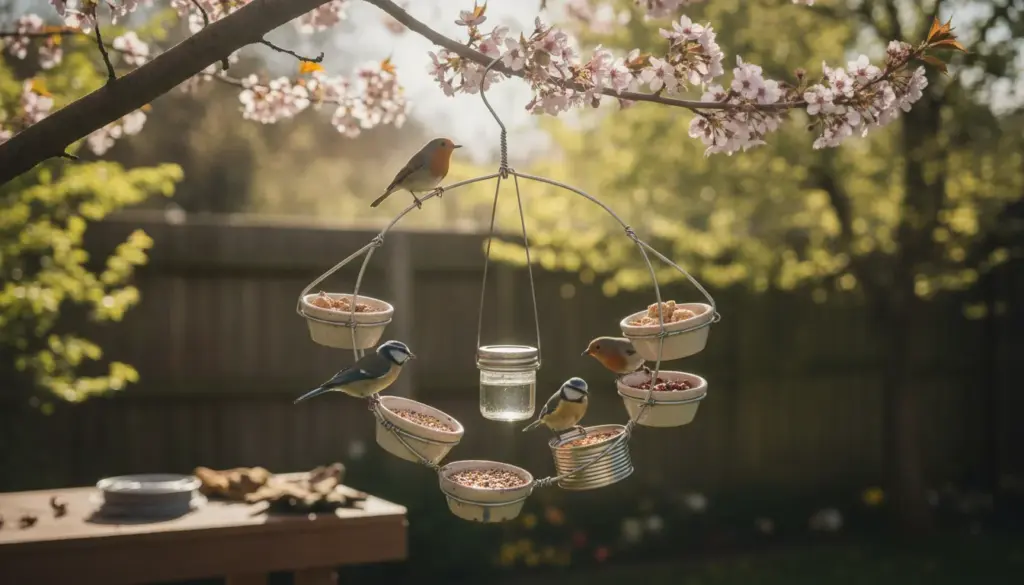
You might already hear the cheerful chirping outside, signaling the start of a new season. While garden centers offer stunning feeding systems, they often come with a hefty price tag. Fortunately, you can craft a surprisingly elegant buffet for your feathered visitors using just a forgotten wire hanger and a few basic items from your kitchen drawer.
During early spring, songbirds burn through a tremendous amount of energy. They are busy securing territories, seeking out mates, and constructing their nests. By repurposing a single piece of metal wire, you can offer crucial nourishment to backyard wildlife in under fifteen minutes without spending a dime.
Creating your own feeding system brings several distinct advantages:
- Materials destined for the trash get a functional second life.
- You retain complete control over the exact diet provided.
- The design easily adapts to fit the specific layout of your balcony or yard.
- Children can actively participate, gaining hands-on lessons about nature and recycling.
What You Need for Your Hanger-Turned-Feeder
The Metal Wire Foundation
A basic, thin metal dry-cleaning hanger serves as the perfect foundation. This type of wire remains highly pliable while retaining enough structural integrity to hold a modest food supply. You can safely load it with roughly 200 to 300 grams of weight—think a thick apple slice, a handful of peanuts, or a small seed cup.
The inherent benefits of using this specific material include:
- The ability to completely straighten and reshape the metal.
- High durability that resists snapping under pressure.
- Effortless manipulation to form custom hanging hooks.
Essential Tools and the Feeding Bowl
Since cut wire ends can pose a safety hazard, assembling this project requires a few basic workshop items. Gather the following gear on your work table:
- Combination pliers or needle-nose pliers to precisely bend the metal.
- Wire cutters for trimming away any excess length.
- Heavy-duty work gloves to shield your hands from unexpected sharp edges.
- A halved apple or the cut bottom of a plastic bottle to hold the treats.
Fresh fruit like an apple or pear functions beautifully as a natural, biodegradable feeding tray. If you don’t have fresh produce to spare, simply slice the base off an empty plastic beverage container to serve as a seed cup. This clever hack gives single-use plastics a practical second act.
Step-by-Step: From Closet Clutter to Feeding Spot
Straightening the Wire
Begin by placing your hanger on a flat, solid surface. Grip the twisted section just below the main top hook using your pliers. Carefully untwist this junction, releasing the tension. Once separated, meticulously work your way down the metal, pulling it as straight as possible.
While wearing your protective gloves, firmly run your hand along the wire to smooth out the remaining kinks. Your goal is to create a relatively straight metal rod measuring approximately 70 to 80 centimeters in length. A cleaner, straighter base directly results in a much more balanced final structure.
Shaping the Food Holder
Decide whether you plan to serve fresh fruit or loose seeds, as this dictates your design. You will need to customize the bottom section accordingly.
If you prefer a fruit feeder, take the lower third of the wire and coil it into a flat, horizontal spiral about five centimeters across. Leave a tiny, vertical spike pointing straight up in the center—this acts as the skewer for your apple half.
For a seed cup design, bend the bottom end into a tightly closed ring tailored to the exact diameter of your plastic bottle base. Test the fit to ensure the cup doesn’t wobble. If it feels loose, simply pinch the metal loop a bit tighter with your pliers.
Crafting the Hanging Hook
Utilize the top portion of the straightened metal to fashion a wide, sweeping hook. Bend it into a generous arch so it easily loops over a thick tree branch or a pergola beam. Creating a larger top hook is crucial, as it prevents the entire assembly from tumbling to the ground during a strong gust of wind.
The more rigid and balanced both the top hook and bottom ring are, the safer the birds will feel when landing to enjoy a meal.
Selecting the Right Seasonal Menu
What should you actually serve on your freshly minted DIY platform?
During the warmer spring months, a lighter diet is highly recommended. Suet and fat balls become less ideal, especially as daytime temperatures begin to climb. Instead, opt for these nutritious alternatives:
- Chunks of soft fruits like apples and pears.
- Unsalted, unroasted peanuts, which can even be strung on a thin piece of twine.
- Black sunflower seeds, serving roughly 50 to 100 grams at a time.
Always monitor the freshness of your offerings. Warm weather causes fresh produce to spoil rapidly, which unfortunately attracts unwanted pests like wasps and flies. Be proactive about removing old leftovers and replenishing the supply frequently.
Safe and Strategic Hanging Locations
Feathered visitors prioritize clear sightlines and personal security above all else, with neighborhood cats and natural predators being their primary concerns. Keep these expert positioning tips in mind:
- Suspend the station at least 1.5 meters above the ground.
- Ensure an unobstructed flight path, avoiding overly dense, tangled bushes right next to the food.
- Keep the hook far away from fences, low rooflines, or ledges where a cat could easily launch an ambush.
An exposed branch, a sturdy hook beneath a porch roof, or a garden pergola generally provides excellent security. For your own entertainment, try positioning it in view of a prominent window—like one facing the dining table or living room sofa—so you can comfortably watch the action.
Tips for Long-Term Safety and Use
Hygiene and Maintenance
Discarded husks and droppings tend to accumulate quickly around dining areas, significantly raising the risk of avian diseases. To prevent illness, periodically wash the plastic cup and metal frame using plain warm water. Skip the harsh chemical detergents; a thorough hot water rinse does the job perfectly.
Routinely inspect the metal for newly exposed sharp edges caused by metal fatigue or rust. If you spot any jagged burrs, grab your pliers and either pinch them flat or clip the tip off and bend it inward.
Which Species Will Visit?
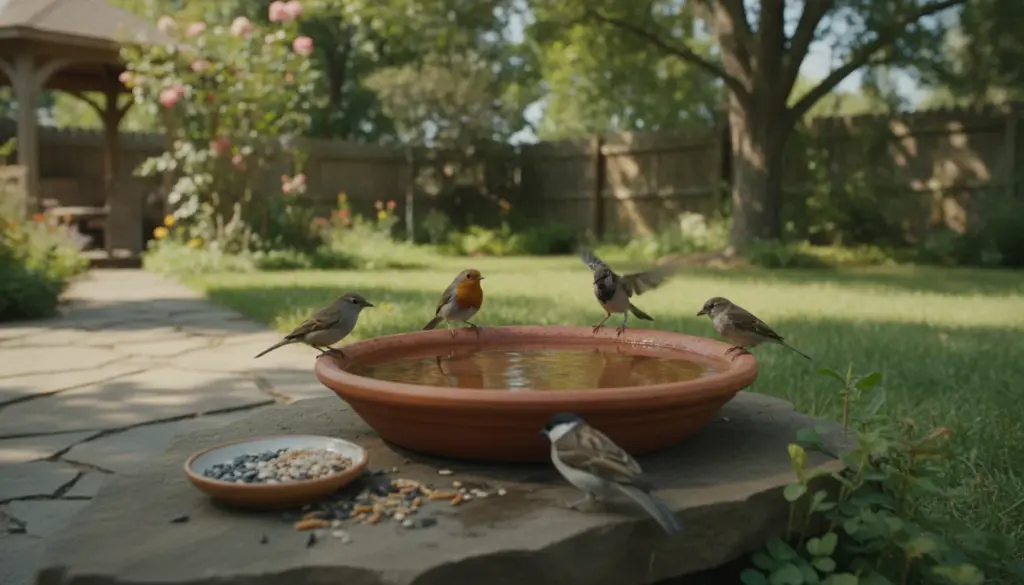
Depending on your exact region, your new setup will attract a variety of local species. Common backyard guests often include:
- Tits (like Great Tits and Blue Tits) flocking to the sunflower seeds and peanuts.
- Sparrows happily pecking away at mixed seed blends.
- Blackbirds and starlings who go absolutely crazy for the fresh fruit.
- Robins frequently hopping along the ground below to scavenge fallen crumbs.
Keep a pair of binoculars on the windowsill to transform your living room into a private wildlife observatory. For younger family members, this daily activity easily rivals a live-action nature documentary.
More Ingenious Ways to Upcycle Waste for Wildlife
Once you get the hang of this simple craft, you can easily incorporate other household scraps. An empty glass jam jar, secured with some sturdy twine and a small twig, quickly becomes a fantastic horizontal feeding tube. You could even lash a piece of an old broom handle to your wire frame to provide an extra resting perch.
When experimenting with different materials, always double-check that there are no sharp rims or tight crevices where tiny claws could get trapped. Opt for softer, natural resting spots whenever possible, like a piece of bamboo, a smooth twig, or a retired wooden cooking spoon.
By applying a little creativity to items you already own, you can construct an inviting, wildlife-friendly outdoor space without making a major financial investment. Not only does this guarantee a more vibrant, bustling backyard view, but it also offers a remarkably direct way to give back to local ecosystems using nothing but simple household goods.