
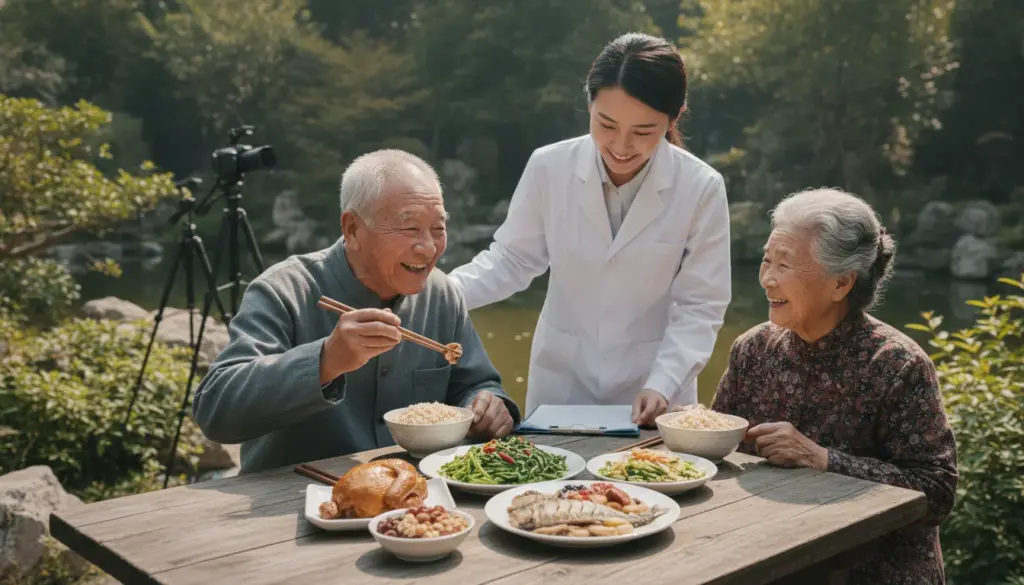
At first glance, a diet containing animal products might seem like the secret to becoming a centenarian. Yet, when scientists closely examined the data, they discovered that the presence of animal protein wasn’t the actual magic bullet. Instead, the real culprit preventing extreme longevity was a common issue among the elderly: dangerous weight loss and severe malnutrition.
What the Longevity Data Actually Reveals
Nutrition specialists analyzed decades of records from a massive, long-term health tracking project in China. For this specific review, experts narrowed their focus to more than 5,000 seniors aged 80 and above, tracking their progress for nearly twenty years.
The goal was simple: compare individuals who successfully celebrated their 100th birthday with those who passed away sooner. Analysts meticulously reviewed their dietary habits, noting whether they consumed animal products, followed strict plant-based regimens, or incorporated fish, dairy, and eggs.
The statistical breakdown revealed a striking pattern. Individuals entirely avoiding animal flesh were noticeably less likely to reach the century mark compared to everyday omnivores. In fact, standard vegetarians faced a lower probability of hitting 100, while strict vegans showed an even steeper decline in those odds.
While these figures might initially look like a massive victory for carnivores, researchers are quick to urge caution. Because this relied on observational data—where participants simply reported their eating habits on a questionnaire—it doesn’t prove that steak directly extends your lifespan. There were no controlled clinical trials feeding specific groups more or less animal protein.
The Hidden Culprit: Muscle Loss and Low Body Weight
As scientists dug deeper into the variables, one massive determining factor emerged from the noise. The statistical disadvantage of a meat-free lifestyle was almost entirely confined to seniors classified as severely underweight. We are talking about individuals with a Body Mass Index (BMI) dropping below the critical 18.5 threshold.
For this highly fragile demographic, avoiding animal protein closely correlated with a reduced chance of reaching extreme old age. However, when researchers looked at plant-based seniors maintaining a healthy weight or carrying a few extra pounds, that statistical penalty basically vanished.
This data highlights a systemic crisis regarding inadequate energy and protein intake during our twilight years, rather than proving that plant-based eating is inherently dangerous.
When someone crosses their 80th birthday, dropping too many pounds sets off clinical alarm bells. A plunging BMI is heavily associated with several cascading health failures:
- Severe depletion of physical strength and essential muscle tissue
- Plummeting bone density, leading to devastating fractures
- Zero physical reserves to bounce back from routine illnesses or sudden falls
- Extended hospital stays with grueling, sluggish recovery times
Medical professionals view this state as critical malnutrition. Once a patient reaches this fragile stage, absolutely every single calorie and gram of protein becomes a lifesaver, regardless of whether it was sourced from a pasture or a plant.
Why Animal Protein Appeared Superior
From a purely mechanical standpoint, traditional cuts of meat deliver a massive payload of zinc, iron, vitamin B12, and complex proteins in a very small physical package. For frail seniors struggling with a diminished appetite, this concentrated nutritional density is incredibly practical. Swallowing just a few bites can drastically improve their daily protein baseline.
Crucially, the analysts noted that the longevity penalty completely disappeared for vegetarians who regularly consumed eggs, dairy, or fish. Those specific foods efficiently deliver the exact same comprehensive amino acids and vital micronutrients.
Ultimately, the core message from the scientific community isn’t a mandate to eat steak. Instead, the physiological requirement is simply to secure enough high-quality protein. Seniors consuming meat lived longer primarily because it kept them from wasting away, but non-meat eaters sourcing dense nutrition from other animal byproducts fared just as beautifully.
The Fascinating “Obesity Paradox” in Seniors
These findings also highlight a well-documented medical quirk known as the obesity paradox. While modern society obsesses over staying exceptionally lean, statistics show that carrying slightly more weight in extreme old age often translates to a longer lifespan compared to razor-thin peers.
During our younger decades, excess weight aggressively drives up risks for diabetes, cardiovascular emergencies, and cellular mutations. However, once you enter your eighties and nineties, the physiological rulebook completely flips. Having a modest reservoir of fat and muscle suddenly acts as a vital biological shield against post-surgical shock or aggressive infections.
Experts emphasize that a slightly elevated BMI in delicate seniors is actually a positive health indicator. While severe, morbid obesity is universally detrimental, having a little extra padding at 85 serves a fundamentally protective purpose that doesn’t exist at 45.
Navigating a Plant-Based Diet in Later Life
Countless individuals choose to eliminate animal flesh for deeply held ethical, environmental, or personal wellness reasons. This statistical review doesn’t suggest anyone needs to abandon those principles. It does, however, demand a much stricter evaluation of nutritional volume and quality after hitting eight decades of life.
For aging vegetarians, the daily mission must focus heavily on securing abundant energy, adequate B12, and robust protein. This is entirely achievable without meat, provided the meal planning is intentional.
Essential strategies for aging without meat:
- Distribute protein evenly: Stop relying on one massive dinner. Every single meal requires a dedicated protein source.
- Embrace enriched alternatives: Lean heavily on dairy and eggs, or utilize high-quality fortified substitutes and B12 supplementation if strictly vegan.
- Maximize caloric density: Leafy greens and broths are wonderful, but they must be paired with calorie-dense, energy-rich components.
- Monitor the scale: Any unintentional drop of more than six pounds over a few months is a massive red flag requiring immediate intervention.
- Defend your muscles: Daily mobility is non-negotiable, ideally paired with guided resistance training to preserve structural strength.
How Families Can Spot Hidden Malnutrition
Older adults rarely announce that they are starving. Decreased appetite, exhausting chewing mechanics, and simple fatigue while standing at the stove often lead to silent calorie restriction. A watchful eye from loved ones is the best defense against this quiet decline.
Families must watch for subtle physical cues like remarkably loose clothing, hollowed facial features, or an obvious struggle pushing up from a deep armchair. Frequent stumbling, mysterious bruising, or minor cuts that refuse to heal quickly are classic markers of profound nutritional deficits.
Whenever weight or eating habits become questionable, scheduling a prompt consultation with a physician or clinical dietitian is paramount. A structured dietary analysis can instantly highlight dangerous blind spots, allowing for quick corrections using protein-heavy snacks, nutritional shakes, or strategic menu adjustments.
The Real Blueprint for Becoming a Centenarian
It is incredibly tempting to glance at this data and conclude that barbecue is the ultimate fountain of youth. The analysts involved fiercely reject that simplistic takeaway. They point out that these metrics reflect a specific demographic in Asia with unique environmental factors, genetics, and historical eating patterns. You cannot simply copy-paste these exact statistics onto Western populations.
Nevertheless, the broader physiological lessons are universally applicable across the globe. As the decades stack up, wasting away is vastly more lethal than carrying a slight belly. Defending your skeletal frame and muscular power with aggressive nutrition becomes the ultimate anti-aging protocol. While animal flesh offers an incredibly easy shortcut for missing nutrients, it remains just one tool in the longevity toolkit.
If you are currently navigating your seventies, the time to build your biological armor is right now. Combining a wildly diverse diet with heavy protein loading, daily physical resistance, and consistent medical check-ups creates the exact physiological bank account you will need later.
For younger readers currently obsessed with staying razor-thin, this research offers a profound paradigm shift. The definition of ultimate health naturally evolves over time. Eventually, the goal completely pivots away from looking incredibly lean toward building an unshakable, highly fueled frame capable of powering your brain and body well past the century mark.