Did you know that the biggest summer lawn care mistake is simply using the same fertilizer in August that you applied in July? As temperatures peak, the nutritional demands of your grass shift dramatically. Let’s break down exactly what your yard needs during these sweltering midsummer months to stay lush and vibrant.
The peak summer months of July and August put immense stress on your backyard. Searing heat paired with constant mowing rapidly drains your turf’s energy reserves. Supplying the right nutrients during this critical window is essential to keeping your green oasis resilient and healthy.
Professional lawn care generally dictates applying fertilizer two to three times a year—typically in spring, summer, and autumn. However, the summer application requires a very specific approach, as the biological needs of the grass evolve rapidly as the season progresses.
Choosing the Right Fertilizer for July and August
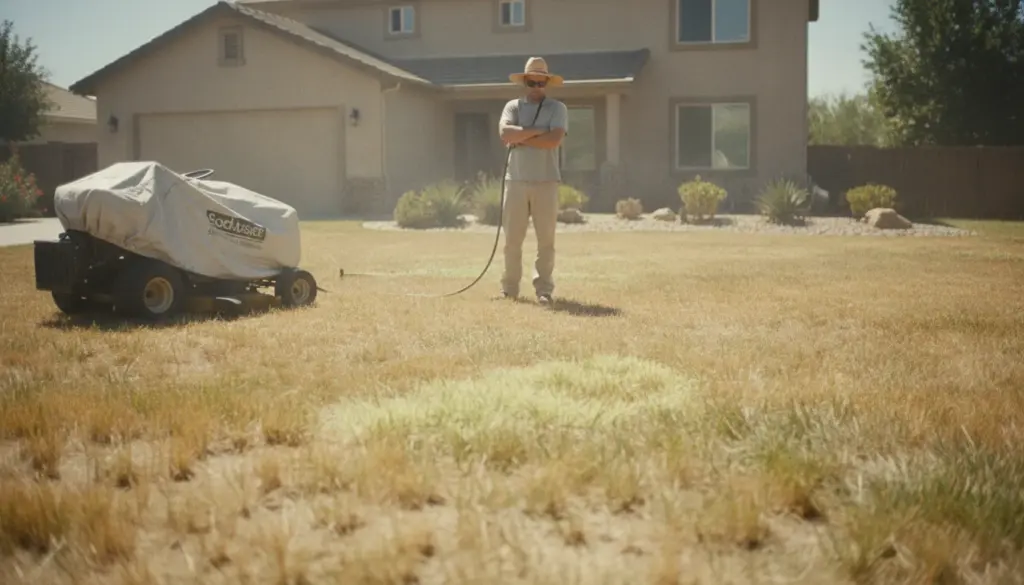
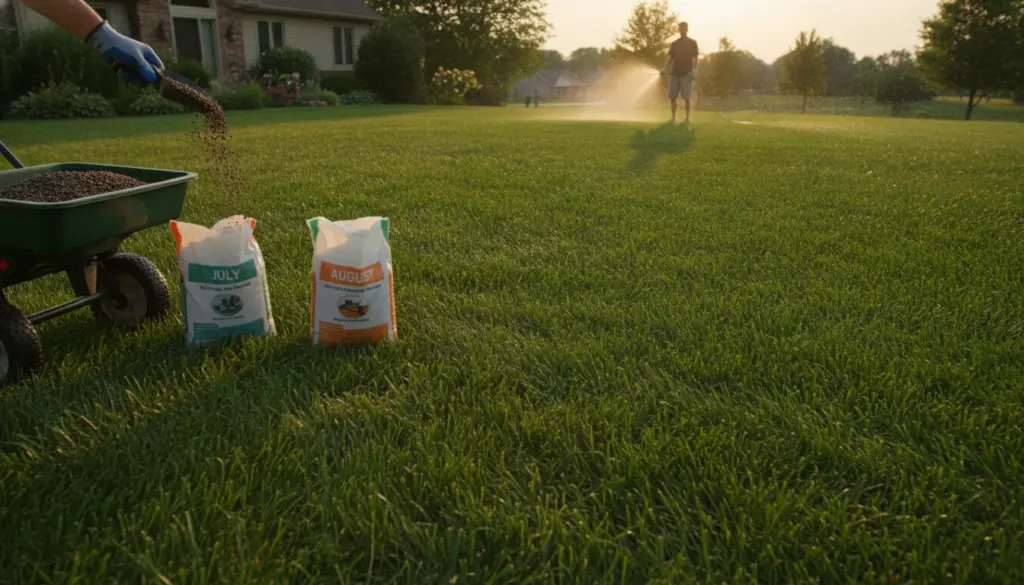
July: When those dreaded yellow patches start appearing in mid-summer, your yard is crying out for growth energy. At this stage, opting for an organic slow-release fertilizer with a high nitrogen (N) content is your best bet. This specific nutrient profile provides the sustained vigor needed to endure the harshest summer weeks.
August: As late August rolls around, stretching into September, it is time for the final crucial feeding of the year. The primary goal now shifts to winter preparation. This is where you absolutely must switch your product to a potassium-rich autumn fertilizer (K). Potassium acts as a structural fortifier, reinforcing the cellular walls of the grass. This added strength creates a robust shield against upcoming frost and winter diseases, ensuring your turf is fully nourished until the spring thaw.
How to Apply Lawn Fertilizer in Midsummer
Achieving that picture-perfect result comes down to proper execution. Follow these simple steps for a flawless application:
- Preparation and timing: Always mow your yard one to two days before planning to feed it. Wait for an overcast day or the cooler evening hours to do the actual spreading. Crucially, ensure the grass blades are entirely dry before you begin.
- Even distribution: Rely on a broadcast spreader rather than scattering by hand. This tool is the ultimate safeguard for achieving precise dosing and a perfectly uniform spread, reliably preventing those unsightly chemical burn patches caused by over-application.
- Deep watering: Immediately after spreading, run your sprinklers heavily for about 15 to 20 minutes. This essential step washes the granular pellets off the delicate grass blades, flushing the nutrients directly down into the root zone where they are needed most.
By adapting your fertilizing and general maintenance strategy to the shifting summer timeline, your outdoor space won’t just survive the heat—it will emerge incredibly vibrant and ready to flourish when the next growing season begins.