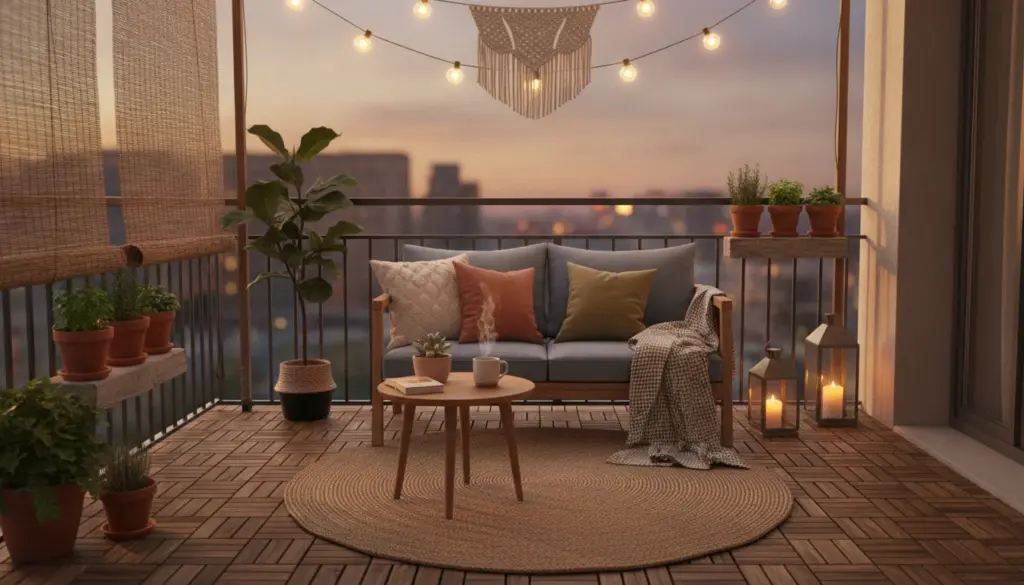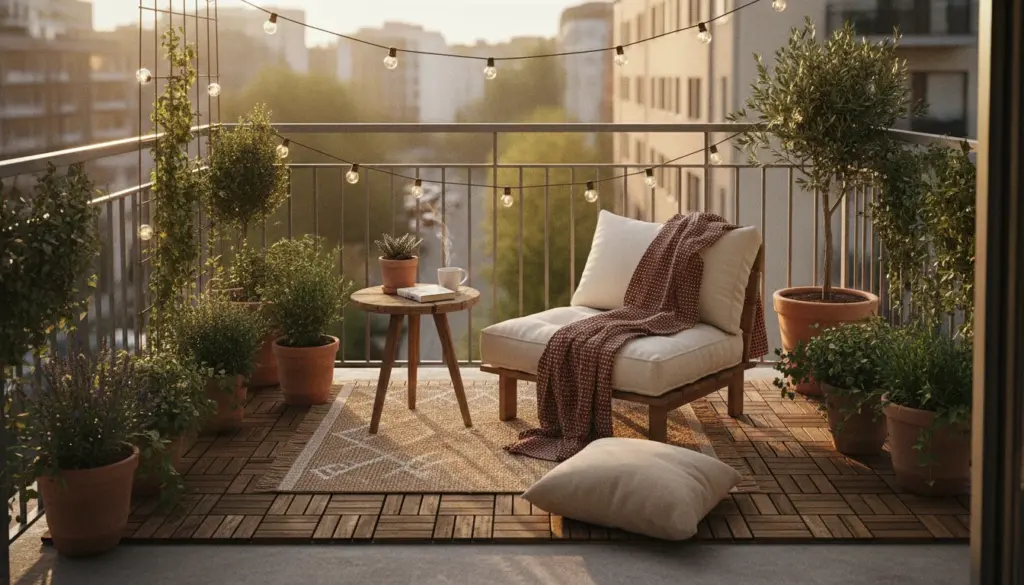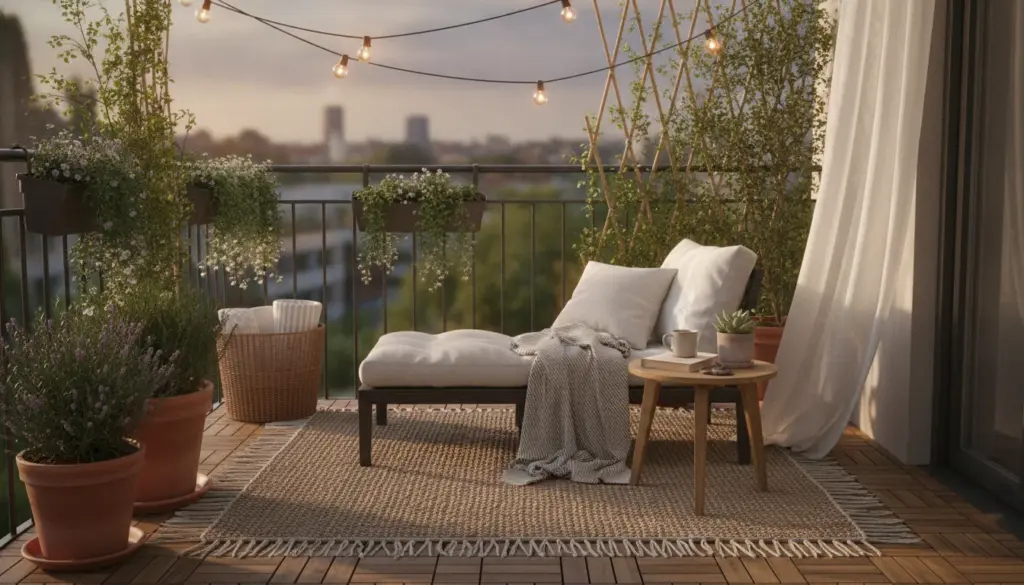
During the warm summer months, there is nothing quite like unwinding in your very own open-air retreat. Fortunately, even the most compact outdoor spaces and narrow loggias can be transformed into snug, inviting sanctuaries.
When the sunny season arrives, it is time to fully embrace your personal balcony staycation. Unfortunately, this al fresco living area frequently gets ignored or treated as a mere storage space. Crafting a welcoming outdoor haven is actually incredibly simple. By following just five straightforward strategies, you can easily establish your ultimate open-air escape.
Step 1: Select the Perfect Flooring
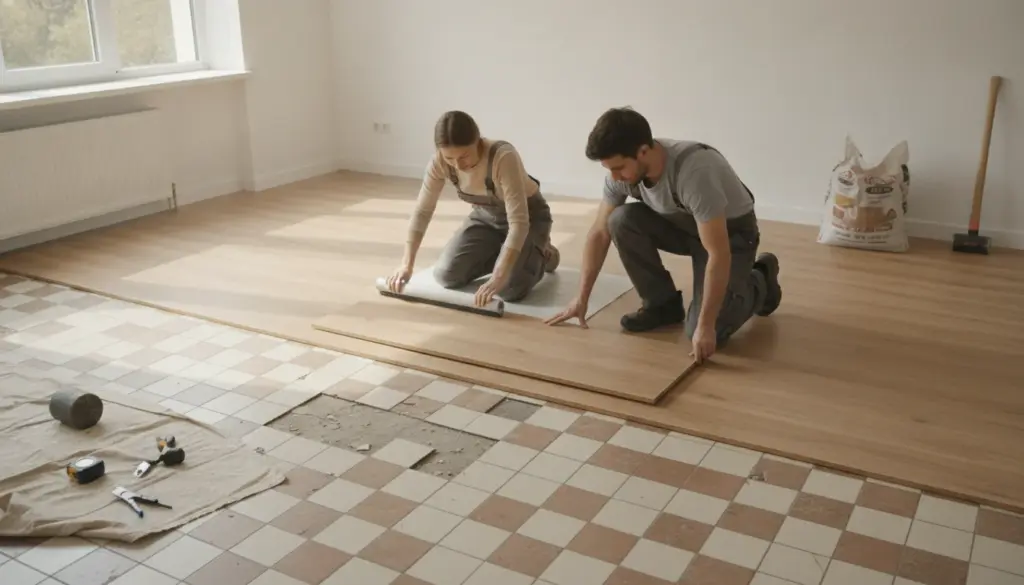
If you are fortunate, your outdoor area might already feature attractive wooden decking. More commonly, however, apartment dwellers are faced with gloomy tiles or harsh, bare concrete. Laying down interlocking outdoor wood tiles is one highly effective solution. For a much faster and entirely effortless upgrade, consider throwing down a waterproof, UV-resistant outdoor rug. This simple addition instantly extends your indoor living room vibe right out the door. Just be absolutely sure that your chosen textile can dry thoroughly after a heavy downpour. If moisture gets trapped, the fabric will eventually turn into a soggy, moss-covered sponge.
Step 2: Choose Purposeful Furniture
Every individual envisions something slightly different for their ideal open-air retreat. Some folks dream of hosting dinner parties under the sky, while others simply crave a quiet nook for getting lost in a good book. Alternatively, your primary goal might be to cultivate a lush botanical paradise. If your square footage is somewhat limited, it is absolutely crucial to decide on one main function for the space.
Transforming into an Al Fresco Dining Room
Setting up a proper table and chairs for weekend barbecue gatherings is a fantastic idea if you have the necessary floor space. When planning this layout, always double-check that there is ample room behind each seat for guests to stand up comfortably. Opting for benches instead of individual chairs can save a significant amount of room, as they do not require pushing back. If you are dealing with a particularly tight or narrow layout, you can still enjoy meals in the sunshine. Simply utilize foldable chairs alongside a clever table that hooks securely over your railing.
Designing a Relaxing Lounge Zone
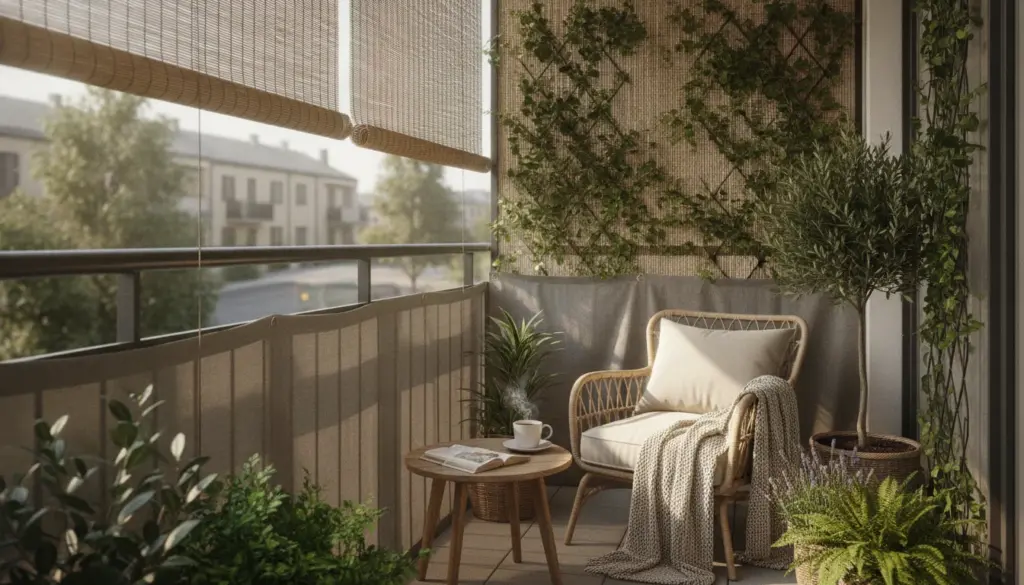
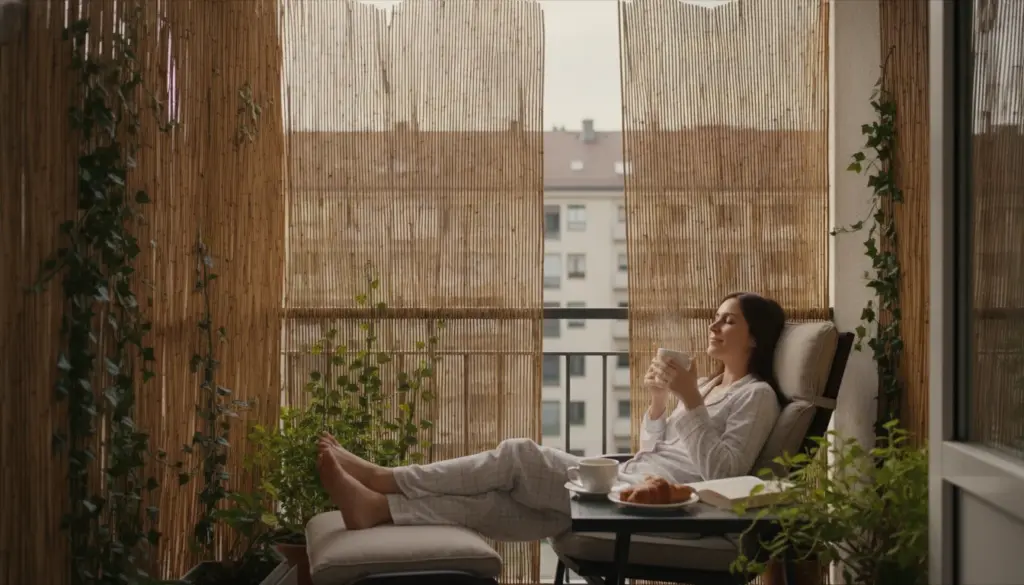
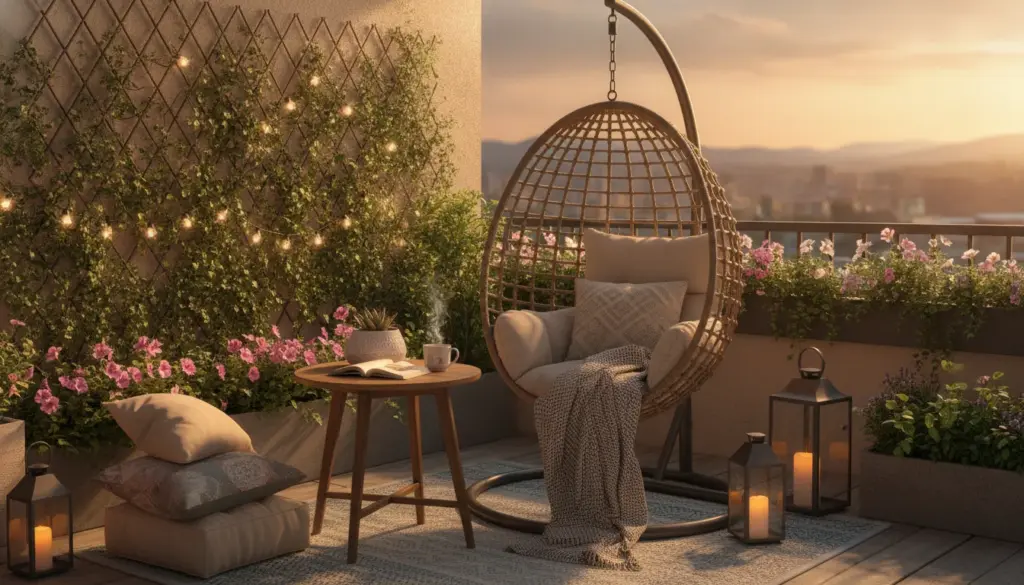
If your ultimate goal is simply to kick back and sip your morning coffee, a massive dining set is unnecessary. Outdoor lounge furniture is available in virtually every dimension imaginable. Those with sprawling terraces might accommodate an expansive sectional sofa, but even a tiny footprint can usually handle a cozy armchair or two. Look for seating options featuring pull-out footrests to truly maximize your comfort. Add a compact side table, and you instantly have a wonderful corner for reading and relaxing.
Creating an Urban Mini-Garden
When cultivating greenery is your top priority, traditional seating takes a backseat. Instead, you will want to focus on outfitting the area with practical plant stands, potting stools, and tiered shelving. In cramped environments, embracing multifunctional design is the key to success. A sturdy storage bench, for instance, provides a great place to sit while neatly hiding away your pruning shears, soil, and spare planting pots.
Picking the Right Outdoor Pieces
Your personal aesthetic should always guide your furniture selection. Whether you gravitate toward warm wood, sleek metal, durable polyrattan, modern minimalism, or bohemian romance, the choice is entirely yours. For smaller spaces, sticking to a single, unified design style rather than mixing mismatched themes is highly recommended to avoid visual clutter. Additionally, keep your color palette restrained to prevent the area from feeling overwhelming.
You must also factor in the specific directional exposure of your home. A north-facing spot receives minimal direct sunlight, meaning materials will take much longer to dry out and must be highly weather-resistant. Conversely, a southern exposure will bake in the intense summer heat, making metal chairs a potential burn hazard for bare skin.
Step 3: Introduce Lush Greenery
An open-air oasis simply feels incomplete without vibrant foliage. Even on the tiniest footprint, there are countless clever ways to incorporate planters without sacrificing valuable square footage. Always match your botanical selections to the specific light conditions of your exterior space. While eastern and western exposures provide a gentle balance for most species, a northern orientation requires shade-loving varieties that thrive in damp environments. On a sun-drenched southern exposure, your greenery must withstand intense heat, making drought-tolerant Mediterranean varieties a brilliant choice.
Beyond lighting requirements, your personal taste dictates what you grow. You might prefer filling your containers with intensely fragrant summer blooms. However, cultivating edible plants is an equally rewarding endeavor. Fresh herbs, juicy strawberries, and spring onions flourish beautifully in modestly sized pots. With just a tiny bit more room, you can set up a compact raised bed or a miniature greenhouse to harvest your own vegetables. You can even find dwarf varieties of fruit trees, like apple or plum, alongside potted berry bushes. It is entirely possible to cultivate a thriving, snackable garden packed with tomatoes and fresh fruit on a standard apartment terrace.
Step 4: Add Cozy Decorative Touches
Your planting vessels actually serve a dual purpose as built-in decor. To maintain a soothing, cohesive aesthetic, try sticking to a specific color family, such as using exclusively terracotta pots to evoke a warm, Mediterranean atmosphere.
Soft textiles are the ultimate secret weapon for creating a welcoming environment. Beyond outdoor rugs, you can layer weather-resistant tablecloths, plush seat cushions, and decorative pillows. Keep a soft throw blanket handy to keep the chill away during brisk evening hours, though it is best to bring these inside overnight to avoid morning dew.
Strategic lighting elevates the entire mood. Solar-powered string lights are practically effortless, automatically casting a warm glow across your sanctuary as dusk falls. Be mindful not to go overboard with illumination, as excessive light pollution can disrupt local wildlife and insects. Groupings of LED lanterns and gentle wind lights will provide just the right amount of romantic ambiance.
Step 5: Prioritize Sun and Privacy Protection
To truly relish your outdoor staycation, proper shading is a non-negotiable feature. There is a vast market of parasols and shade sails available to suit your needs. Before making a purchase, it is highly advisable to review your building’s regulations, as some property managers strictly enforce rules regarding acceptable fabric colors. Beyond keeping you cool, adequate shading also protects delicate foliage from suffering severe heat damage on scorching days.
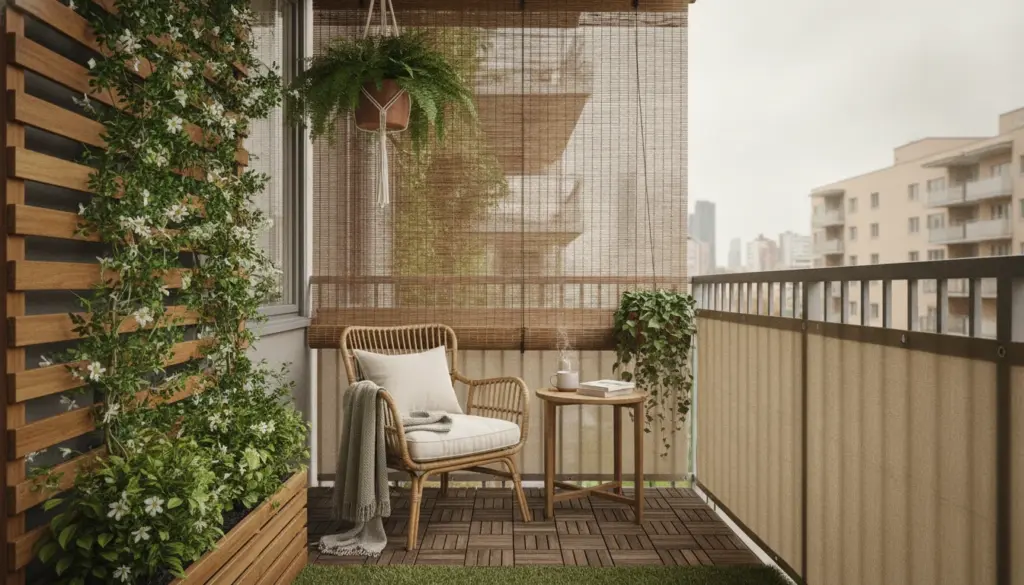
Depending on your location, pedestrians or neighboring buildings might have a direct view into your sanctuary. Installing a privacy screen easily shields you from prying eyes. Fastening bamboo mats to the railing or arranging tall, potted ornamental grasses creates an excellent visual barrier. Vertical planting is another smart screening tactic. Secure a trellis to your balustrade and allow ivy or climbing blackberries to weave their way upward. Just be cautious with aggressive climbers, as they can sometimes damage exterior building materials.
FAQ: Essential Tips for a Welcoming Balcony
How can I make a compact outdoor space feel inviting?
With just a handful of adjustments, a tiny footprint can become a relaxing open-air retreat. Combining appropriate flooring, purposeful furniture, vibrant plants, and weather-safe textiles instantly generates a cozy, room-like atmosphere. The most critical step is defining a single primary use for the area and maintaining a cohesive design style.
What is the ideal flooring for an outside terrace?
For an immediate, hassle-free transformation that feels like an interior room, a UV-resistant and waterproof outdoor rug is unparalleled. Alternatively, wooden deck tiles offer a beautiful, natural look. If you choose a rug, it is imperative that the material can dry out completely after rainfall to prevent a soggy, mossy mess.
Can I grow a functional garden in a restricted area?
An astonishing variety of edibles can thrive in a highly confined space. Tomatoes, strawberries, and fresh herbs do exceptionally well in standard containers, while dwarf fruit trees and berry bushes are specifically bred for potted life. Utilizing a miniature raised planter or a small-scale greenhouse allows you to cultivate a highly productive snacking garden without needing a massive yard.
Which decorative elements increase outside coziness?
Durable textiles, including outdoor throw pillows, tablecloths, and snug blankets, instantly inject comfort. Curating your plant pots—such as sticking to a uniform terracotta theme—establishes a peaceful, organized look. Finally, solar-powered string lights and flickering LED lanterns effortlessly create a magical, romantic evening vibe without the hassle of running electrical cords.
What type of furniture works best on a narrow layout?
When width is limited, every single inch matters. Folding chairs paired with a clever table that hangs directly over the railing are timeless space-savers. If relaxation is the goal, a compact lounge chair with a slide-out footrest and a tiny side table creates a perfect reading nook. Multi-use pieces, such as a seating bench featuring hidden interior storage, are absolutely invaluable for keeping the area tidy.