Why Do Cut Tulips Droop So Quickly?
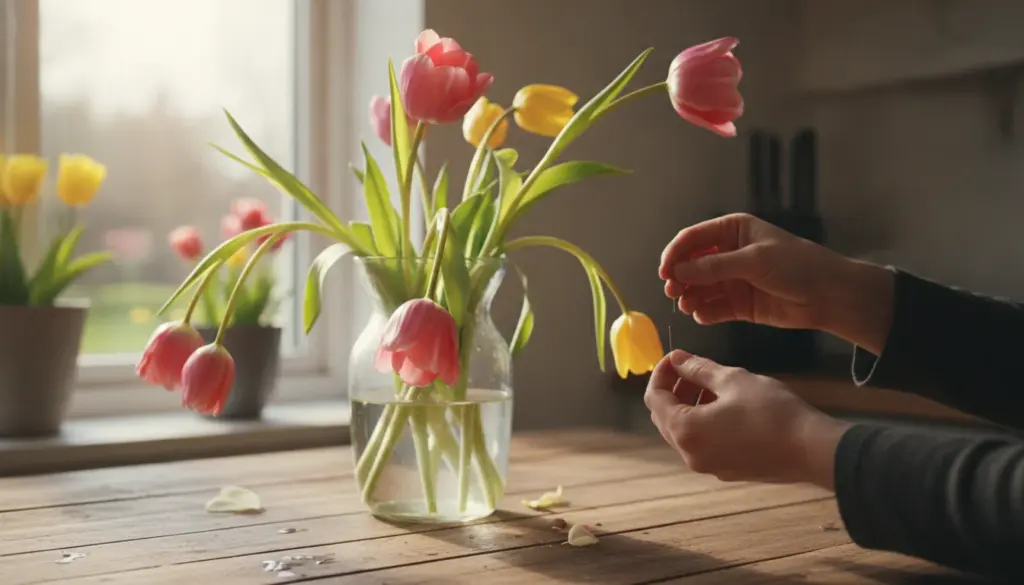
You bring home a stunning bouquet of spring blooms, arrange them beautifully, only to find them draped sadly over the edge by morning. While many floral enthusiasts might toss these seemingly ruined arrangements, salvation takes only seconds. A single, well-placed pinprick is all it takes to revive wilted tulips and extend their vase life significantly.
Unlike gerberas or roses, tulips have a fascinating quirk: they continue to grow even after being harvested. These dynamic blooms constantly stretch and twist toward the nearest light source. While this movement is undeniably charming, it places immense strain on their soft, hollow stems.
As the blossom matures and gains weight, the stem struggles to support the top-heavy load. The bending becomes especially pronounced when the flowers cascade over the vase’s rim. Warm indoor environments, particularly rooms with underfloor heating or active radiators, dramatically accelerate this wilting process.
However, the biggest culprit is often invisible. A microscopic air bubble frequently forms inside the hollow stem, acting exactly like a cork wedged in a bottle. Even if your container is brimming with water, this internal blockage prevents hydration from reaching the petals, resulting in snapping stems and drooping heads.
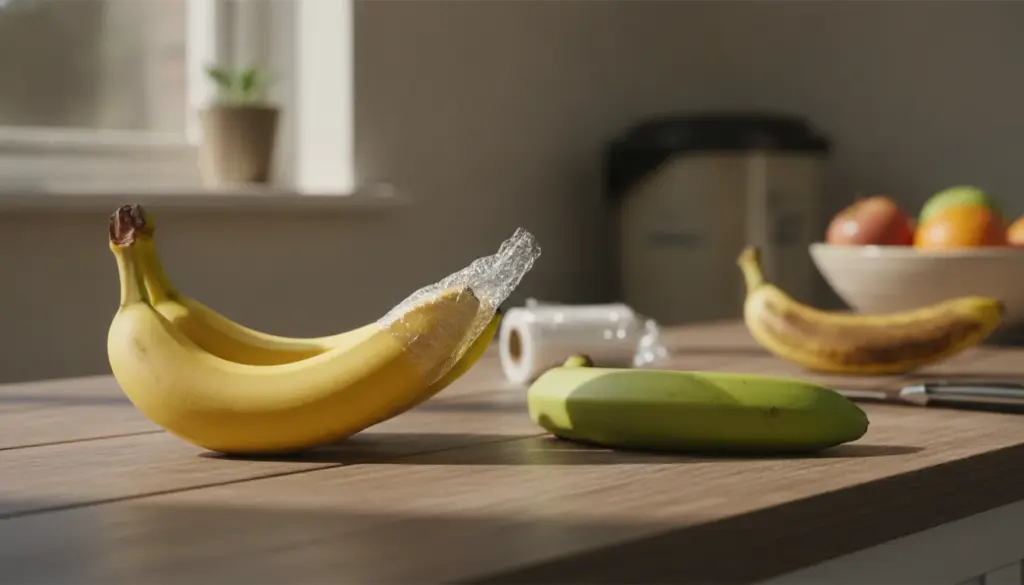
Environmental factors can further complicate matters. Placing your arrangement in direct sunlight or next to a fruit bowl spells disaster. Ripening fruit emits ethylene gas, a natural compound that forces cut flowers to age rapidly, turning a vibrant bouquet into a sorry sight overnight.
Putting Floral Myths to the Test: Four Vases, One Winner
Social media feeds are flooded with supposed miracle cures for limp flowers, ranging from dropping pennies in the water to adding a splash of vodka. To separate fact from fiction, a British horticulture enthusiast recently conducted a side-by-side comparison of these popular household remedies.
The experiment utilized four identical containers in her kitchen. Each held two fresh tulips, snipped at an angle underwater to prevent new air from entering the stalks. Every arrangement was placed in the exact same location, ensuring identical light exposure and room temperature.
- Vase 1: Fresh water mixed with a shot of strong alcohol
- Vase 2: Standard tap water containing a few copper coins
- Vase 3: Pure tap water acting as the control group
- Vase 4: Tap water combined with a tiny pinprick through each stem
After six days of observation, the results were undeniable. The alcohol-infused water proved disastrous, leaving the foliage discolored and completely limp. The coin method performed marginally better, though the blooms still slumped heavily over the glass edge. The plain water maintained average vitality, yet the stems eventually lost their structural integrity.
The clear champion was the pinprick method. Those punctured stems remained remarkably straight and robust. While the other batches slowly collapsed, this specific bouquet stood proud and tall for days on end. A single tiny hole just below the flower head completely outperformed copper, liquor, and other quirky water treatments.
How the 3-Second Pin Trick Actually Works
The science behind this floral hack is incredibly straightforward. By creating an exit route for trapped air, you immediately restore the stem’s natural plumbing system.
Creating a minuscule hole through the hollow stalk allows the obstructive air bubble to escape. Once the pressure is released, the plant can freely draw up moisture again. Visible recovery often begins within an hour, as the parched tissues rapidly rehydrate.
For most drooping arrangements, this targeted puncture yields visible results incredibly fast. You will notice the stalks straightening out and the flower heads regaining their firmness shortly after treatment.
Expert Care Tips for Longer-Lasting Blooms
While puncturing the stem saves many dying bouquets, optimizing their environment maximizes your floral investment. Paying close attention to hygiene, lighting, and temperature can easily stretch a two-day display into a week-long centerpiece.
Finding the Perfect Spot
These spring favorites thrive in cool, peaceful environments. Keep these placement rules in mind:
- Never position your vase above a radiator or near an active fireplace.
- Avoid intensely sunny areas, particularly south-facing windowsills.
- Keep them far away from apples, bananas, or pears to prevent ethylene exposure.
- Opt for interior walls or shaded corners rather than hot, narrow window ledges.
Hydration and Nutrition Strategies
Consistent maintenance is crucial for longevity. Replace the water every forty-eight hours, taking a moment to thoroughly rinse the container. With each water change, snip another small portion off the bottom of the stalks. This continuous trimming keeps the vascular bundles open, guaranteeing maximum moisture absorption.
What to Avoid When Caring for Tulips
Certain internet trends do more harm than good. Adding liquor to your vase actually dehydrates the plant tissues, significantly reducing their lifespan. Likewise, harsh cleaning chemicals can leave toxic residues that sensitive petals cannot tolerate.
Binding stems tightly together with rubber bands or twine might seem like a clever way to keep them upright, but it severely damages the delicate cellular structure. A much better approach is choosing a vessel with a tapered neck. A narrower opening provides gentle structural support without crushing the fragile stalks.
Safety Measures and Floral Pairings
When applying the piercing technique, prioritize safety to avoid accidental injury. Rest the stalk securely on a cutting board or your palm rather than poking at it mid-air. Always utilize a sterilized needle—wiping it with rubbing alcohol prevents harmful bacteria from entering the plant’s vulnerable vascular system.
This puncture technique works flawlessly alongside other proven care routines. Combining sterilized tools, chilled water, trimmed ends, and a shaded location creates the ultimate survival strategy for your bouquet. Many florists recommend pairing them with daffodils or hyacinths, but be aware that these specific spring bulbs secrete a thick sap. You must change the water more frequently when mixing species to prevent this slime from suffocating your freshly revived tulips.
Developing a consistent routine makes all the difference. Whenever you bring a fresh bunch home, immediately trim the bases, pierce the tops, and secure a cool spot. This minor effort takes mere minutes but completely eliminates the disappointment of overnight wilting, letting you enjoy these beloved spring classics in your living room for much longer.