The Shift Toward Lighter Baking
Home bakers are increasingly reaching for a surprisingly affordable, fruit-based alternative to traditional ingredients. While classic pastry bases almost always relied on a generous block of butter, a completely different staple is taking center stage. This humble pantry item costs very little, dramatically slashes the calorie count, and yields an unexpectedly tender dough. Best of all, the structural integrity of your pastry remains completely intact, satisfying even the most discerning dessert lovers.
Why Bakers Are Leaving Butter Behind
In the world of baking, butter is widely recognized as the ultimate flavor enhancer and texture builder. It delivers that signature rich, crumbly finish, but it naturally carries a heavy load of dietary fats. A standard 100-gram portion of butter packs roughly 715 kilocalories, with the vast majority coming from saturated fats.
Many kitchen enthusiasts are looking for ways to scale back on those heavy additions. It is not that butter should be entirely avoided, but its nutritional footprint quickly adds up in diets already featuring plenty of sweets. Frequent bakers or those who enjoy a few slices of pie a week will certainly notice the impact.
By making one straightforward ingredient swap, you can reduce the energy density of your pastry dough tenfold without jeopardizing the final bake. This is where an incredibly budget-friendly grocery aisle staple comes into play: unsweetened applesauce. That ordinary jar you typically pair with savory side dishes actually performs remarkably well as the foundation for your pastry creations.
Applesauce vs. Butter: Understanding the Impact
Unsweetened applesauce consists primarily of water, dietary fiber, and naturally occurring fruit sugars. For every 100 grams, you are only looking at about 70 kilocalories. When weighed against the 715 kilocalories found in an equal measure of butter, the reduction is nearly tenfold.
- Traditional butter (100 g): ± 715 kcal, predominantly saturated fat
- Unsweetened applesauce (100 g): ± 70 kcal, virtually fat-free
- Average butter cost: Typically 8 to 10 euros per kilogram
- Average applesauce cost: Often under 2 euros per jar
This compelling mix of lower fat, reduced calories, and a highly affordable price tag makes this fruit puree incredibly appealing for mindful home bakers or anyone looking to experiment with new techniques.
How Applesauce Transforms Your Dough
In a conventional recipe, fat coats the flour proteins. This prevents excessive gluten formation, keeping the baked crust delightfully short and crumbly rather than tough and elastic. While applesauce operates differently on a chemical level, it still produces a fantastic texture.
Apples naturally contain pectin, a soluble dietary fiber that effectively binds and retains moisture. Within your dough, this pectin provides essential structure alongside a pleasantly smooth mouthfeel. Swapping in this fruit puree creates a tender, moist base with a very subtle fruity undertone, completely eliminating those dense pockets of solid fat.
Here is what you can expect when working with this alternative:
- Enhanced tenderness: The baked crust retains a softer bite and avoids becoming overly dry or crumbly.
- Effortless rolling: Once properly chilled, an apple-based dough is generally much easier to roll out compared to a highly fragile, butter-heavy shortcrust.
- Superior fridge workability: While dairy fats harden into a brick inside the refrigerator, this fruity alternative keeps the mixture pliable and ready to handle.
- Natural sweetness: The inherent sugars from the fruit mean you can slightly reduce the amount of refined sugar in your recipe.
Sweet Versus Savory Applications
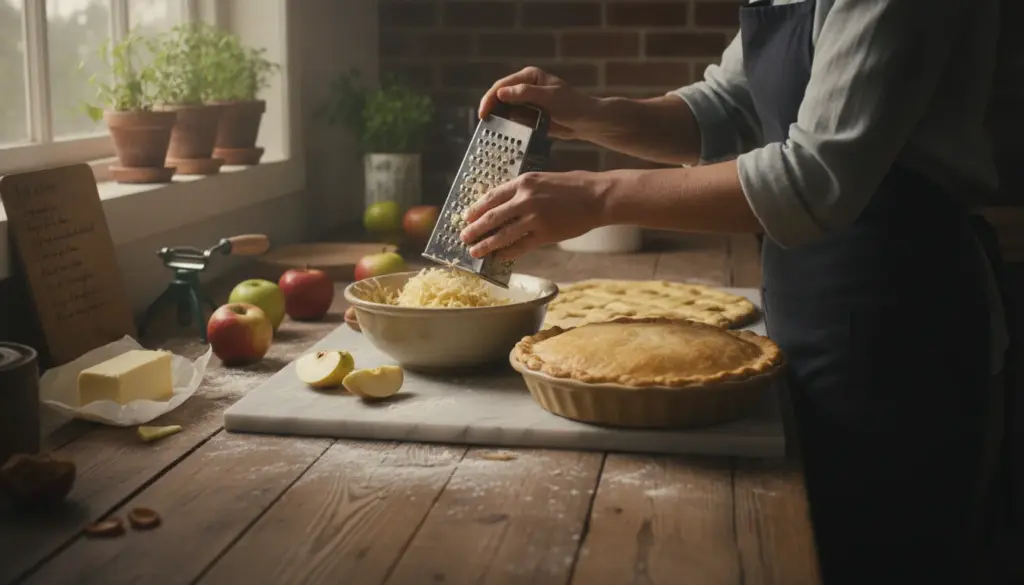
This trick beautifully complements sweet dessert profiles. It is a natural match for classic apple pies, fruit tarts, crumbles, and softer cake-like bases. The mild apple aroma blends seamlessly into these flavor profiles.
However, savory dishes require a different approach. If you are preparing a quiche, vegetable tart, or savory galette, you generally need a purely neutral flavor. For these recipes, plain yogurt is a much better substitute. It provides the necessary moisture without introducing any unwanted sweet, fruity notes.
Step-by-Step: Crafting a Butter-Free Crust
The fundamental substitution rule is incredibly straightforward: replace your fat with unsweetened applesauce using a one-to-one ratio. If your recipe calls for 100 grams of butter, simply use 100 grams of the puree instead. Yet, because fruit holds significantly more water than pure dairy fat, a few minor recipe adjustments are crucial.
Essential Recipe Tweaks
- Reduce added liquids: Cut any milk, water, or other liquids from the original recipe by half to compensate for the high moisture content of the puree.
- Mix very briefly: Gently fold or knead your ingredients just until they come together. Overworking the mixture develops too much gluten, leading to a tough, chewy crust.
- Mandatory chilling time: Let the prepared dough rest in the refrigerator for a minimum of 30 minutes. This vital step allows the flour to hydrate properly and makes rolling out much smoother.
Adding excessive liquid will leave you with a sticky, unworkable mess. Proper resting and cooling almost always resolve these texture issues.
Basic Recipe for a Leaner Pastry Base
For a standard 24-centimeter springform pan, a reliable starting formulation looks like this:
- 250 g all-purpose flour
- 100 g unsweetened applesauce
- 30–50 g sugar (adjust to preference, usually less than traditional recipes)
- 1 egg (optional, helps with binding)
- A pinch of salt
- Optional: cinnamon or vanilla extract for added depth
Briefly combine your dry ingredients, mix in the puree and egg, and quickly bring it together into a ball. Wrap it tightly in film and chill for half an hour. Afterward, roll it out, line your baking tin, and blind bake if your specific filling requires it before finishing the bake as usual.
Nutritional Perks: Fiber and Reduced Saturated Fats
Utilizing this clever swap inherently lowers the saturated fat content of your homemade treats. Nutritional guidelines consistently recommend moderating saturated fats, as excessive consumption is closely tied to cardiovascular risks.
Additionally, you manage to sneak a little extra dietary fiber into your dessert. While it is still an indulgent treat rather than a health food, every small nutritional improvement counts over time.
Expert Tips for the Perfect Bake
If you are trying this fat-free method for the first time, start with a dessert that features a highly flavorful and textured filling, like a pear tart, an apple crumble, or a loaded fruit pie. The slightly softer bottom crust will blend in perfectly in these applications.
- Always verify you are using applesauce with zero added sugar to prevent an overwhelmingly sweet result.
- Avoid taste-testing the raw dough to gauge sweetness, as the flavors develop and intensify during the baking process.
- Bake the crust slightly longer at a moderate temperature to achieve a firmer, drier crumb structure.
- For exceptionally wet fillings, always blind bake the base briefly using pie weights to prevent a soggy bottom.
Creative Variations
Bakers looking to experiment might enjoy a fifty-fifty split: half butter, half applesauce. This hybrid approach significantly slashes the energy density while retaining a comforting hint of that nostalgic buttery richness and structure.
As mentioned earlier, plain yogurt operates identically for savory applications. Maintain the same one-to-one substitution ratio. Yogurt introduces a subtle tanginess that pairs exceptionally well with vegetable or goat cheese quiches. When baking for a large gathering, always test your altered ratios beforehand on a quiet afternoon. Different flour brands and home ovens react uniquely to moisture-heavy substitutes.
By slowly experimenting with additions like whole wheat flour for extra fiber or a handful of ground nuts for richness, you can easily create lighter, highly satisfying baked goods that make reaching for a second slice completely guilt-free.