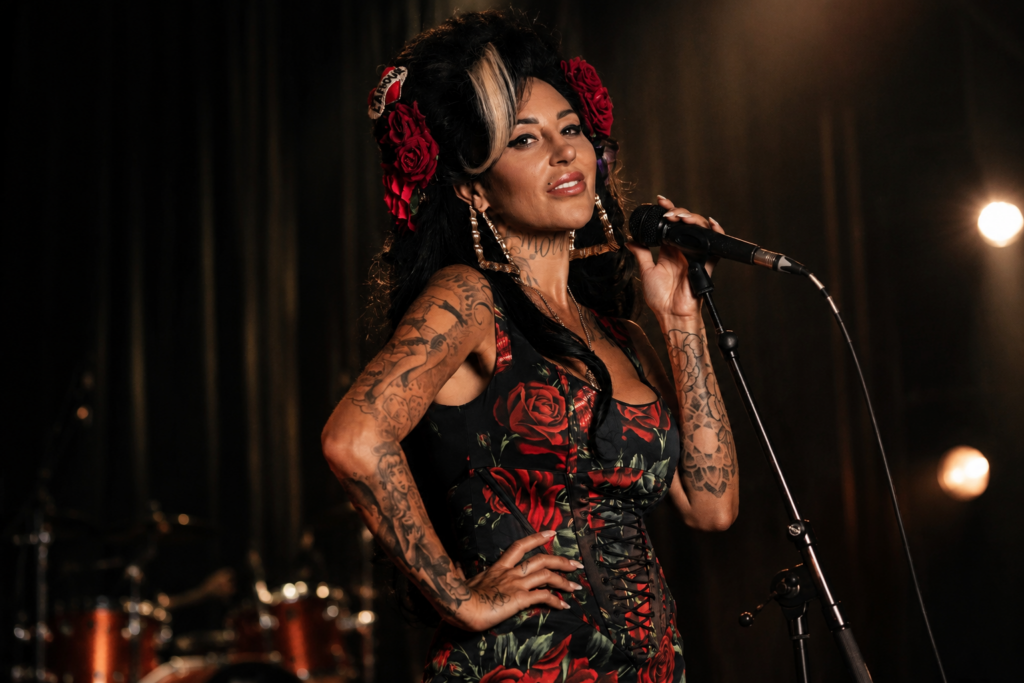
As thousands of music fans gathered in Derbyshire for the UK’s biggest tribute festival, Amy Winehouse, Robbie Williams and the Beastie Boys appeared on stage in the same weekend — but none of them were the original artists.
Replika festival, which set a Guinness World Record with 108 tribute acts performing across one weekend, has become a symbol of a growing British music phenomenon. From fake Oasis performances to bands with playful names such as Pearl Scam and Wrong Jovi, tribute acts are attracting huge audiences while helping struggling venues stay open.
The rise of these performances comes as the cost of seeing major artists continues to increase, with many fans looking for cheaper ways to experience live music.
Tribute festivals offer affordable alternative to major concerts
Across the UK, events including Fake-Fest, Tribfest, Glastonbudget and Festwich are drawing crowds who want familiar songs without paying stadium prices.
Replika organiser James Dean said the festival was designed for families and music fans with limited disposable income. A weekend ticket costs around £100, making it significantly cheaper than many large-scale concerts.
“Our festival is targeted at low- to middle-income families who have very little disposable income,” Dean said. “Compare that with the costs of going to Wembley Stadium for a single concert.”
Industry figures suggest there could be between 3,000 and 5,000 tribute acts operating across Britain. Alive Network Entertainment Agency, which represents 234 performers, has reported strong demand for these groups.
Robbie Williams and Amy Winehouse performers turn tribute into careers
For some musicians, impersonating famous stars has become a full-time profession. Dan Budd has performed as Robbie Williams for 14 years and says his bookings have reached record levels.
The 36-year-old performer has even replicated Williams’ tattoos and mannerisms, while incorporating his own style into the performances.
“I haven’t got a free Saturday night until September 2027,” Budd said, describing the current demand for tribute shows.
Top performers can reportedly earn between £10,000 and £15,000 per show. Budd has not revealed his exact income but said: “I’m 36 and mortgage-free.”
Nadine l’Amour, who performs as Amy Winehouse under the name The Madnezz of Amy, also turned tribute work into a career. She left her job as a secondary school teacher in April 2025 after beginning her Winehouse performances in December 2024.
Independent venues rely on tribute acts to survive
The growth of tribute music is not only benefiting performers. According to the Music Venue Trust (MVT), the acts are helping support grassroots venues during a difficult period for the industry.
Nathan Clark, owner of Leeds venue Brudenell Social Club, said tribute performances provide important financial stability.
“There is an elitist attitude about them, but these acts really do keep parts of the live music infrastructure moving,” says Clark. “The key is balance: tribute bands should support original music, not replace it.”
MVT chief executive Mark Davyd estimates tribute acts account for around 25% to 30% of bookings at independent venues across the UK. The sector has also generated millions of pounds through ticket sales, hospitality and local spending.
Dean’s research into Replika festival’s economic impact over 10 years estimated associated spending at around £8.5m.
The emotional side behind Britain’s tribute boom
Despite their commercial success, tribute performers often face emotional challenges while recreating another artist’s identity.
Budd has spoken about struggling with switching between his personal life and his Robbie Williams persona. He later changed his approach by performing as himself while capturing Williams’ energy and songs.
For l’Amour, portraying Winehouse carries deeper meaning. She says performing songs such as “Back to Black” connects her with both her own experiences and the late singer’s story.
“This is more than sticking on eyeliner, backcombing the beehive and putting on really expensive, uncomfortable shoes,” l’Amour said. “It’s a feeling.”
Music industry experts warn that while tribute acts provide valuable income, they should not replace opportunities for new artists. Mark Davyd said venues still need space to develop the next generation of British musicians.
The success of tribute festivals shows that audiences are not only seeking nostalgia. For many younger fans, these events provide their first experience of live music, from discovering classic songs to stepping into their first mosh pit. The tribute industry has become an unexpected part of Britain’s modern music economy, keeping venues alive while creating new careers along the way.