
A warning from Iran’s Islamic Revolutionary Guard Corps (IRGC) has placed RAF Fairford in Gloucestershire at the centre of a growing diplomatic crisis after Tehran claimed a US B-1 bomber operation was launched from the British airbase.
The Iranian military group issued a statement titled “Warning to the British monarchy”, accusing the UK of allowing American forces to use British territory for strikes against Iran. The threat came as US military activity in the Middle East increased following nearly 2 weeks of renewed fighting.
The IRGC said any base used to support attacks on Iranian territory could become a target, raising fresh security concerns for Britain and its allies.
Iran links RAF Fairford to US bomber mission
RAF Fairford is officially an Royal Air Force site but has long been used as a forward operating base by the United States Air Force (USAF) in Europe. The Gloucestershire location regularly hosts American heavy bombers preparing for overseas missions.
According to US news outlet Axios, a B-1 Lancer bomber took off from RAF Fairford on Tuesday as part of operations against Iranian targets. However, it remains unclear whether the aircraft departed directly from the UK base or stopped there before launching from another US facility.
The B-1 bomber can carry up to 24 2,000lb bombs and is designed for long-range missions. The reported operation marked the first B-1 deployment by the US since fighting with Iran resumed.
“The use of allied bases during conflict can create complex political and security challenges,” says Professor Michael Clarke, former director general at the Royal United Services Institute. “Governments must constantly balance military cooperation with the risks of becoming a target.”
UK government promises defence measures after threat
The UK Government said it would not comment on foreign military operations for security reasons but insisted that Britain remained prepared to respond to threats.
A Government spokesperson said: “Our Armed Forces are ready to keep the United Kingdom safe from any kind of attacks, whether it’s on our soil or from abroad.”
The spokesperson added that the UK maintains a layered air and missile defence system involving the Royal Navy, British Army and Royal Air Force, working closely with NATO partners.
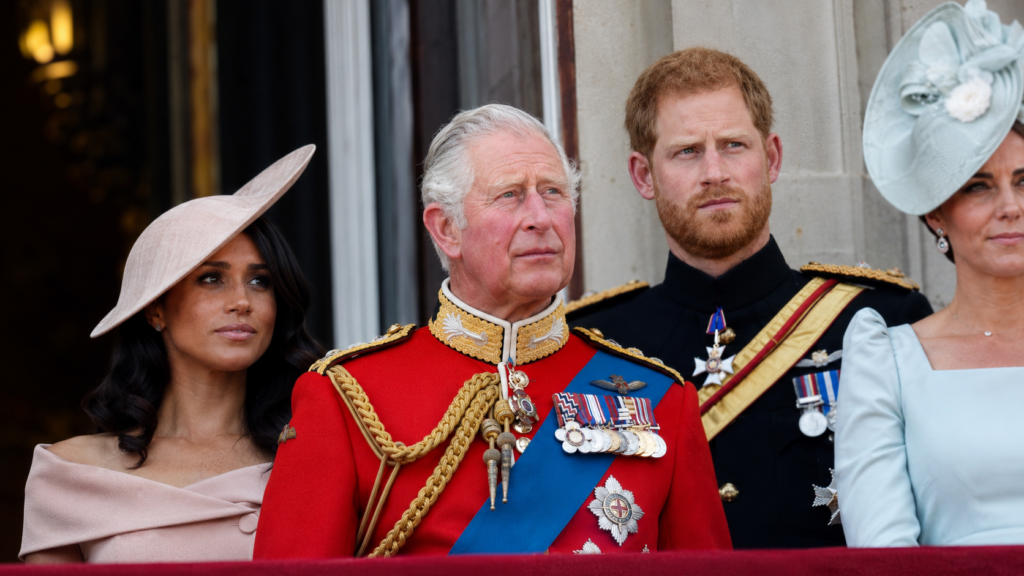
Buckingham Palace declined to comment on the IRGC statement targeting the Royal Family. The warning has increased attention on Britain’s role in supporting US operations in the region.
Keir Starmer decision fuels RAF Fairford debate
The controversy follows a decision in March by then-Prime Minister Keir Starmer to allow RAF Fairford to be used by the USAF for what were described as defensive strikes against Iranian forces.
The agreement has attracted criticism from campaign groups, with an anti-war protest held outside the Gloucestershire base in April. Political figures were also reportedly informed about plans to extend the arrangement allowing American forces to operate from UK territory.
The IRGC statement accused the “British regime” of supporting America’s military campaign and repeated its warning that “any base used to invade Iranian territory is our legitimate target”.
“Security assessments can change quickly during international crises,” says Dr Michael Williams, a security analyst specialising in Middle East affairs. “A public threat does not automatically mean an attack is imminent, but governments treat such statements seriously.”
Middle East tensions push oil prices above $100
The latest escalation comes alongside wider disruption across the region. The Iran-aligned Houthi movement announced a blockade of the Bab al Mandeb Strait, a major shipping route connecting the Red Sea with the Gulf of Aden.
Two Saudi oil tankers were reportedly targeted after the announcement, contributing to renewed concerns about global energy supplies. Oil prices climbed above $100 a barrel for the first time since May.
It is important to note, however, that statements issued during periods of military escalation do not always indicate immediate action. Security risks vary depending on circumstances, and official guidance from the UK Government and qualified security experts remains the most reliable source during international emergencies.
The situation surrounding RAF Fairford highlights the growing challenge facing Britain as it maintains close defence ties with the United States while managing the potential risks linked to overseas military operations.