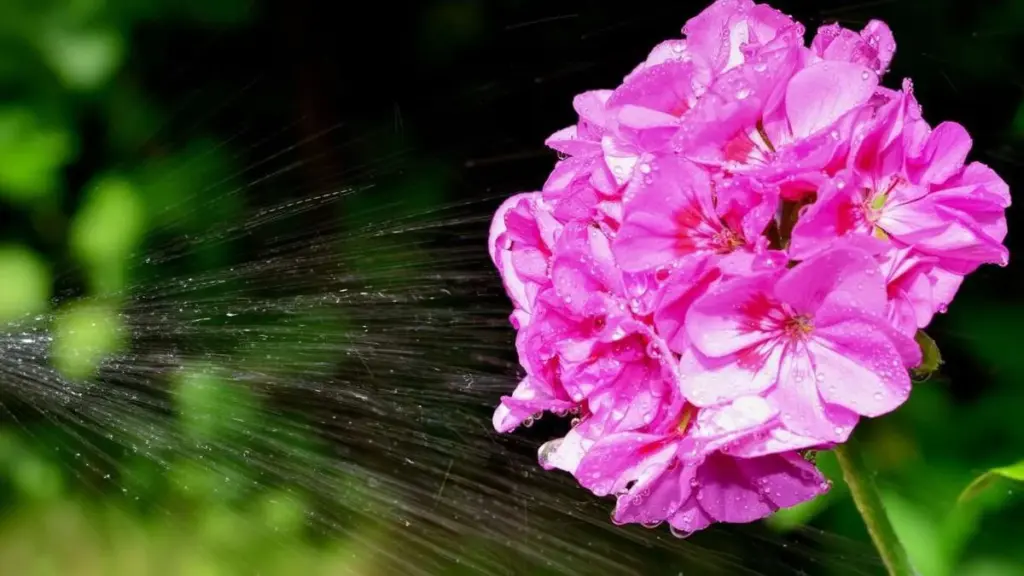
The 1-Minute Routine for Hot Summer Days
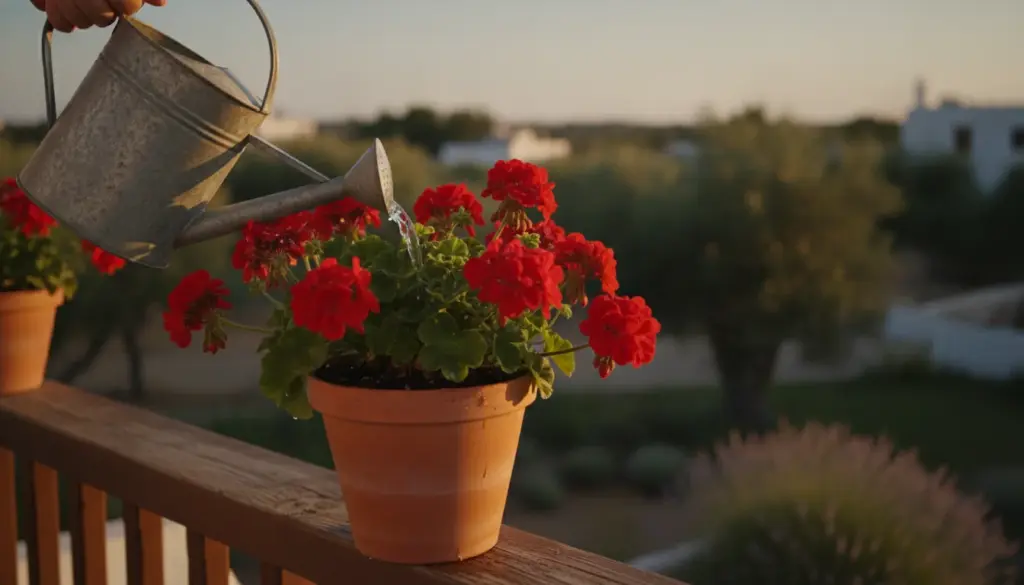
Keeping your blooming balcony beauties vibrant even when temperatures soar past 30 degrees Celsius might feel like a full-time job, but it is surprisingly simple. Because they originate from the sun-drenched regions of South Africa, pelargoniums are genuine heat survivors. Their robust nature allows them to handle scorching weather far better than most typical summer flowers. However, to maintain a relentless burst of color, they require moisture at exactly the right moments.
Thanks to thick, fleshy leaves that act as natural reservoirs, these plants easily bridge brief periods of drought. This gives them a distinct advantage over more delicate balcony varieties. Yet, if the dry spell drags on, their floral display will inevitably diminish. The secret to constant blooms lies in proactive hydration rather than desperate rescue missions when the foliage is already drooping.
During sweltering heatwaves, always provide moisture during the cooler early morning hours or late in the evening. At these times, the root system is highly receptive and absorbs liquids much more efficiently without the immediate threat of evaporation.
Your Rapid Daily Hydration Checklist
It literally takes sixty seconds a day to keep your potted favorites in peak condition. Simply run through this rapid daily checklist to determine exactly what your plants crave:
- 👉 The finger test: Poke the top two to three centimeters of the soil. If it feels completely dry, grab your watering can.
- 👉 The lifting method: Does the container feel noticeably light? That is a clear signal of severe thirst.
- 👉 Visual cues: When stems and leaves lose their shine and feel soft to the touch, immediate hydration is necessary.
- 👉 Afternoon heat check: If the potting mix is baking hot under the midday sun, wait and evaluate the moisture levels again at dusk.
When you do water, make sure to soak the earth thoroughly until liquid begins to trickle from the base. This generous drenching encourages moisture to reach the deepest root networks. Providing frequent, tiny splashes will merely dampen the surface layer while leaving the actual plant parched.
Calculating the Perfect Water Amount
As a reliable rule of thumb, each individual plant requires at least one large glass of water. The ultimate goal is to saturate the entire root ball completely. To achieve this, provide roughly ten percent of the container’s total volume during each watering session.
For instance, a standard 80-centimeter window box typically absorbs around 2.5 liters. While volume calculators exist online for exact measurements across different container shapes, the “large glass” estimate works brilliantly for most home setups. Just remember that bone-dry potting mix repels moisture at first and needs time to expand. Pouring in small, gradual increments prevents runoff and ensures proper absorption, provided the excess can eventually drain away.
Selecting the Right Soil and Container
Flourishing growth heavily relies on utilizing structurally sound potting mixes that retain moisture while still allowing oxygen to circulate around the roots. This delicate balance guarantees a steady nutrient and liquid supply throughout the day. For those who cannot tend to their outdoor oasis during the afternoon, self-watering planters or automated drip systems offer fantastic solutions.
Regardless of your setup, it is crucial to keep all drainage holes completely unblocked. Never allow saucers to sit filled with stagnant water for extended periods. Waterlogging acts as a fast track to severe root rot, quickly destroying even the healthiest specimens.
Common Watering Mistakes to Avoid
A lackluster floral display is frequently the result of these easily preventable missteps:
- ❎ Midday drenching: High temperatures cause rapid evaporation before moisture reaches the roots.
- ❎ Shallow sipping: Frequent but insufficient splashes prevent deep root development.
- ❎ Flooded saucers: Leaving excess water behind creates dangerous waterlogged conditions.
- ❎ Compacted earth: Hardened dirt either causes liquid to run off the sides or traps it completely.
- ❎ Blocked drainage: Clogged bottom holes turn pots into swamps, even with correct watering techniques.
Managing Post-Heatwave Thunderstorms
Surviving scorching heat is only half the battle; sudden summer downpours pose an entirely different threat. Following a heavy rainstorm, prioritize swift drainage to prevent drowning the roots—this is where your high-quality, stable soil truly pays off.
Once the weather clears, promptly snap off any battered or rotting blossoms to prevent disease. A light application of fertilizer can also help replenish washed-out nutrients. Typically, just a few days of returning sunshine will have your displays looking spectacular again. To minimize storm damage in the future, consider tucking particularly bushy, lush varieties closer to protective house walls or sturdy balcony railings.