The Hidden Reality of Microwave-Ready Plastics
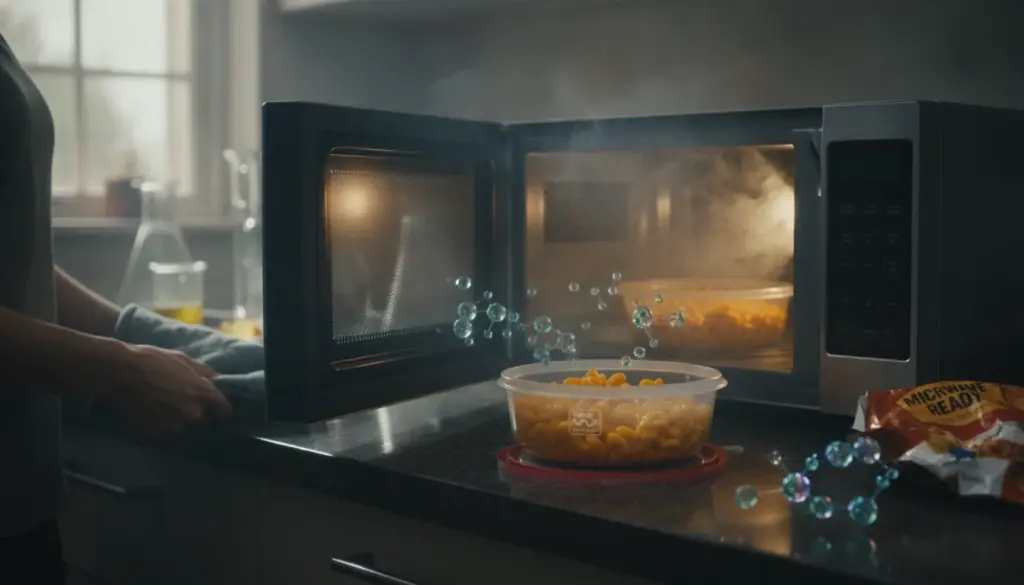
Tossing a convenient pre-packaged meal into the microwave feels completely harmless, especially when the packaging clearly states it can handle the heat. However, modern chemical analyses paint a much more concerning picture for both human health and the environment. That familiar wavy-lined icon simply guarantees the container won’t melt into a puddle, offering absolutely zero assurance that your dinner remains free from synthetic chemicals.
What Actually Happens During a Five-Minute Heat Cycle
Recent comprehensive reviews of over two dozen scientific studies on ready-to-eat meals offer an unsettling wake-up call. The phrase “microwave-safe” purely references the structural integrity of the polymer, completely ignoring the invisible shedding of microscopic fragments directly into your hot food.
In fact, laboratory simulations mimicking a standard meal found that a mere five minutes of microwaving can release anywhere from 326,000 to 534,000 microplastics and nanoplastics into the liquid. Because nanoplastics are unimaginably tiny, they possess the alarming ability to pass right through the intestinal wall, eventually circulating into the bloodstream and vital organs.
Furthermore, manufacturers blend thousands of distinct chemical additives—like stabilizers, artificial colorants, and plasticizers—into these food receptacles. Scientific literature suggests over 4,200 of these compounds are potentially toxic, yet the vast majority slip through the cracks of current food-contact regulations.
Daily Exposure and Long-Term Health Repercussions
Toxicologists have already identified nearly 1,400 distinct packaging chemicals lingering inside the human body. Routine medical samples show these substances hiding in urine, blood, and even the umbilical cords of newborns. This persistent, low-grade exposure is directly linked to several severe physiological disruptions:
- Endocrine and reproductive issues, including hormone imbalances and decreased fertility.
- Increased risk factors for certain cancerous developments.
- Neurodevelopmental delays in growing children.
- Elevated rates of cardiovascular disease.
- Metabolic conditions like obesity and type 2 diabetes.
The danger rarely stems from a single isolated meal. Instead, the risk compounds through daily habits: packing lunches in old tupperware, relying on frozen TV dinners, or consistently reheating leftovers in worn-out plastic bins.
Triggers That Accelerate Chemical Leaching
Scientific data highlights very specific conditions that cause packaging to degrade rapidly. The shedding of synthetic particles and chemical leaching spikes dramatically under these circumstances:
- Extreme temperatures from ovens or microwaves.
- Prolonged storage durations or extended heating times.
- Using containers that are visibly scratched, discolored, or heavily worn.
- Heating fatty or oil-rich foods, which naturally draw out more chemical compounds.
Many households hold onto their favorite plastic storage bins for years, entirely ignoring the visible wear and tear. Unfortunately, these superficial abrasions act as prime launchpads for flaking microplastics and rapid chemical transfer.
Regulatory Guidelines Are Lagging Behind
Current European frameworks attempt to manage this issue using “migration limits,” which dictate the maximum permissible amount of a specific chemical that can legally transfer into your meal.
Yet, a massive regulatory blind spot remains: there are currently zero enforceable limits for actual microplastic and nanoplastic fragments. Authorities still largely fixate on individual, well-known chemicals rather than the physical shards themselves or the complex toxic cocktails they carry.
European health watchdogs have flagged this exact issue as a top-priority concern for years. However, major knowledge gaps persist. Scientists lack standardized testing protocols, comprehensive data on daily human ingestion rates, and a deep understanding of how these nanoparticles behave once inside human tissue.
A thorough risk assessment is currently underway, but official results aren’t anticipated until late 2027. Until these findings translate into binding legislation, everyday consumers must take proactive measures to protect themselves.
The Environmental Toll: From Extraction to Pollution
This crisis extends far beyond personal wellbeing. The lifecycle of flexible films and rigid food trays leaves a devastating ecological footprint. Production begins with fossil fuels—primarily oil and natural gas—requiring immense energy expenditures and generating significant greenhouse gas emissions.
After a remarkably short lifespan, these single-use items typically head straight for the trash. Microwavable trays feature complex, multi-layered designs where different polymers and chemical coatings are permanently glued together. This intricate construction makes effective sorting and recycling incredibly expensive and technically challenging.
Consequently, mountains of packaging are ultimately incinerated or dumped into landfills. As they slowly degrade, they release a steady stream of microplastics into waterways, soils, and oceans, where wildlife inevitably consumes them—pushing the toxins right back into our global food web.
Why Recycling Isn’t the Ultimate Fix
Even when processing facilities successfully recycle these materials, a secondary hazard emerges. Polymer quality degrades with every processing cycle, causing previously locked-in additives to loosen and escape. These mobilized toxins can easily contaminate the next generation of recycled goods, including fresh food-contact wrappers.
Because of this looping toxicity, global environmental organizations are fiercely advocating for stringent international treaties. The ultimate goal isn’t just improving recycling infrastructure, but fundamentally phasing out hazardous chemical additives and drastically reducing single-use plastics altogether.
Smart Habits to Minimize Your Exposure at Home
You don’t need to wait for government intervention to start lowering your daily intake of synthetic compounds. Health experts recommend several highly effective, simple adjustments to your kitchen routine:
- Swap before you heat: Always transfer ready-made meals onto a ceramic plate or glass dish before microwaving.
- Ditch the damaged goods: Promptly discard any storage tubs that look foggy, cracked, or heavily scratched. Never use them for hot food.
- Beware of hot oils: Avoid heating greasy or heavily oiled recipes in plastic, as fats aggressively pull chemicals from the packaging.
- Shop strategically: Look for grocery store alternatives like fresh meals packed in glass jars or items in thinly-coated cardboard trays.
If you frequently prepare meals in advance, consider investing in high-quality stainless steel or heavy-duty glass containers. They offer incredible durability, pristine cleanliness, and completely eliminate the risk of thermal plastic shedding.
Small Changes, Massive Impact
Convenience foods and leftover containers aren’t disappearing from our modern lives anytime soon. In a single recent year, the global market churned out approximately 71 million tons of ready-to-eat meals, averaging out to over 12 kilograms per person. Industry projections suggest this sector will double in financial value over the next decade.
Given the sheer volume of exposure, simply taking ten seconds to slide your frozen dinner onto a glass plate yields massive protective benefits. Furthermore, choosing fresh ingredients and avoiding heavily wrapped products indirectly forces the industry to rethink its reliance on synthetic packaging.
This level of caution is especially critical for pregnant individuals and households with small children. During crucial phases of rapid brain and organ development, the biological impact of endocrine disruptors and invasive nanoplastics is exponentially more dangerous than it is for the average adult.