Why Vintage Outpaces Modern Fast Fashion
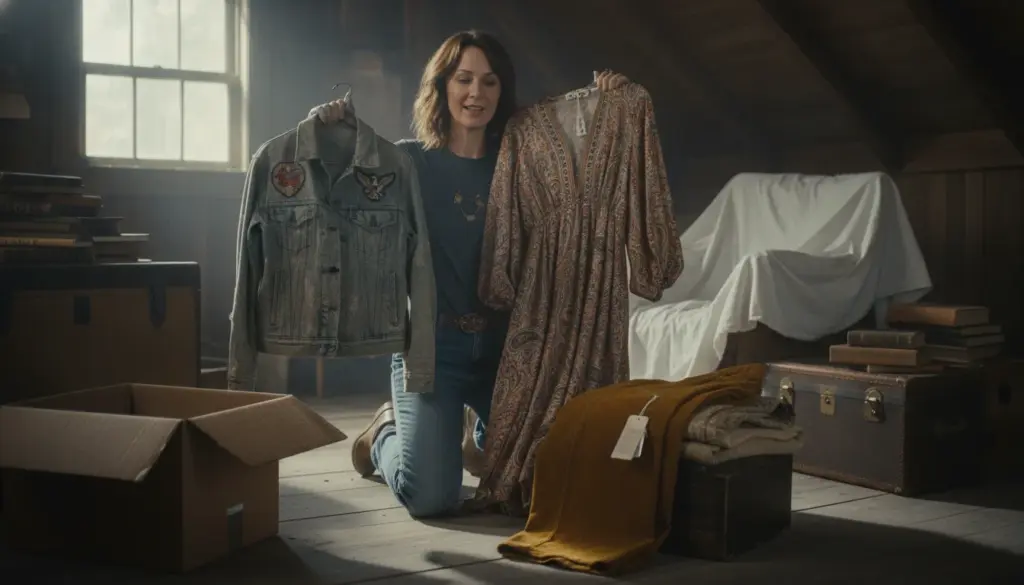
Countless homeowners are currently rummaging through their storage bins and wardrobes, hunting for older garments. This sudden urge isn’t driven by simple nostalgia, but rather the explosive growth of the second-hand fashion market. Pieces that would have been casually donated to local thrift shops a decade ago are now fetching hundreds of dollars. The real trick lies in knowing exactly which garments hold hidden value.
Industry analysts project the global market for pre-owned fashion to hit roughly 40 billion euros this year, with expectations to nearly triple over the next decade. This surge is no longer exclusively fueled by trend-conscious youth seeking unique retro denim. Rising manufacturing costs, steeper raw material prices, and a growing emphasis on sustainable living have transformed older, high-quality apparel into highly desirable assets.
Garments manufactured throughout the 1970s, 1980s, and early 1990s generally boast heavier fabrics, superior stitching, and unhurried craftsmanship. Consequently, these robust pieces survive for decades, whereas contemporary fast fashion often falls apart after just a few seasons. Scarcity is a major driving force here; when production stops, consumer demand naturally pushes prices upward. As we head into 2026, everyday apparel from the late twentieth century is increasingly treated as a genuine collector’s item rather than a simple cast-off.
Three Garments That Can Fetch Up to 500 Euros
1. The Classic Denim: Vintage Levi’s 501
Finding a pair of Levi’s 501 jeans manufactured before 1985 is widely considered the ultimate jackpot for thrifters. Depending on the size, rarity, and overall wear, you can expect to sell these trousers for anywhere between 150 and 500 euros. Early editions featuring the iconic “Big E” on the red back pocket tab—produced until the early 1970s—are particularly coveted by hardcore denim enthusiasts.
What makes these specific trousers so incredibly popular? The denim utilized back then was notably thicker and often woven on traditional shuttle looms. This creates selvedge denim, easily identified by a tightly bound, clean edge running down the inside seam of the leg. This denser fabric molds perfectly to the wearer’s body and fades beautifully over time, a characteristic that commands premium prices on dedicated resale platforms.
2. The Timeless Raincoat: Luxury Brand Trench Coats
A high-end trench coat originating from a premium fashion house in the 1980s or earlier is an absolute hidden goldmine. Countless households have these elegant jackets gathering dust at the back of a closet simply because the vintage cut feels slightly too roomy or traditional for everyday wear. However, these well-preserved coats easily start at 300 euros in today’s thriving resale market.
Prestigious labels recognized for their signature interior check patterns are remarkably profitable right now. If you uncover a pristine coat free from significant discoloration or fraying, it can quickly exceed 400 euros when styled properly with a premium wool sweater for an online listing.
3. Silk Eastern-Style Jackets: The Tangzhuang
This third category remains relatively unknown to many casual sellers: the Tangzhuang. These traditional satin or silk jackets feature a distinct mandarin collar and knotted fabric closures. For years, these garments languished on clearance racks for mere pennies, but collector interest is skyrocketing as we approach 2026, especially in digital marketplaces.
When buyers search platforms for terms like “Chinese vintage jacket” or “silk Tangzhuang,” they are generally hunting for premium textiles. Exquisite embroidery, pristine linings, and minimal wear can instantly translate to hundreds of euros, heavily dependent on the item’s origin and overall craftsmanship.
Quick Checklist: What to Look For
- Vintage Levi’s 501: Pre-1985 models, ideally showcasing a selvedge edge and the older red tab.
- Luxury Trench Coats: Pre-1990 production from prestigious fashion houses, boasting meticulous tailoring.
- Tangzhuang Jackets: Authentic silk or high-quality satin construction with mandarin collars and traditional frog closures.
- General Winners: Any 1970s to 1990s apparel crafted from pure wool, heavyweight denim, or genuine silk.
- Value Boosters: Intact original tags, legible sizing labels, verifiable material composition, and excellent preservation.
How to Authenticate and Evaluate Your Finds
Inspecting Vintage Denim
To assess an older pair of jeans, simply grab the pant leg and roll the bottom hem upward. If you spot a densely woven edge along the interior seam—frequently accented with a colored thread—you are likely holding premium selvedge denim. Next, examine the small red tag attached to the rear pocket. The typography used on older production runs differs significantly from modern manufacturing batches.
Hardware is another crucial indicator. Antique brand stamps on metal buttons or zippers often point to an early manufacturing date. Always thoroughly inspect the structural integrity; while minor distressing is perfectly acceptable, paper-thin fabric or deep tears near the crotch will drastically reduce the garment’s financial worth.
Assessing a Classic Trench Coat
A superior vintage trench coat should feel substantial in your hands without being overly stiff. The outer shell should drape fluidly and resist immediate creasing when you bend the sleeves. Check the neckline or interior side seams for manufacturing tags. Labels proudly stating “Made in England” or indicating pre-1990 Western European production instantly build trust with discerning buyers.
Identifying Valuable Tangzhuang Jackets
You can instantly spot a Tangzhuang by its narrow stand-up collar and traditional woven frog buttons. The most sought-after variations are constructed entirely from pure silk, emitting a rich luster that never looks cheap or plastic-like. If the textile feels luxuriously smooth but possesses more natural texture than synthetic polyester, you likely have an authentic silk piece.
The intricate embroidery also reveals a wealth of information regarding the jacket’s pedigree. Irregular stitches and flimsy threads are telltale signs of cheap mass production. Conversely, dense, heavy needlework featuring subtle color gradients indicates meticulous artisan craftsmanship. Loose interior linings or extensive pulled threads will naturally diminish the asking price.
The Best Avenues for Selling Vintage Apparel
If you plan to convert your attic discoveries into substantial cash, always conduct thorough price comparisons first. When browsing global resale platforms, make sure to filter your search by “sold items” rather than active listings. This strategy provides a much more accurate reflection of current market values, bypassing the overly optimistic asking prices of amateur sellers.
Mainstream online marketplaces and dedicated fashion apps are incredibly efficient for moving denim and silk jackets quickly. You simply snap high-quality photographs, draft a detailed description, and ship the item directly to the new owner. However, when dealing with designer trench coats or high-end couture, utilizing authenticated platforms or established auction houses is often the smarter route. These venues employ specialists who verify materials and labels, giving affluent buyers the confidence to spend more.
Ultimately, the more definitive proof you can provide regarding an item’s origin, sizing, and condition, the higher your final payout will be.
Practical Advice for Evaluating and Prepping Your Clothes
Uncertain if that heavy winter sweater is crafted from genuine wool? A basic burn test can offer clarity. Carefully extract a minuscule cluster of fibers from a hidden interior seam and hold it near a flame. If the material smells distinctly like burning hair and crumbles into fine ash, you are likely dealing with natural animal fibers like wool or cashmere.
Taking the time to properly clean your finds is always a wise investment. Professional dry cleaning is highly recommended if the expected return is substantial, particularly for designer outerwear. Avoid harsh modern detergents on vintage silk, as aggressive chemicals can permanently destroy the fabric’s natural sheen. A freshly cleaned, well-lit garment showcased with clear macro photographs will invariably sell faster and for a much higher premium.
Finally, consider bringing a curated stack of garments to a reputable local vintage boutique. Many proprietors will offer a complimentary rough appraisal or even purchase your collection on the spot. For truly exceptional discoveries—such as century-old workwear denim or museum-quality designer pieces—consulting a specialized fashion auctioneer is your best bet. They possess extensive archives of historical sale prices and can advise if your piece warrants a spot in a premier auction.
Once you experience the thrill of the hunt, clearing out your storage spaces can easily transform into a profitable hobby. Digging out old family photo albums can provide excellent clues about what relatives wore and what might still be hiding in those forgotten cardboard boxes. Armed with a little foundational knowledge about fabric compositions and manufacturing eras, spending a rainy afternoon in the loft could effortlessly turn into a highly lucrative financial windfall.