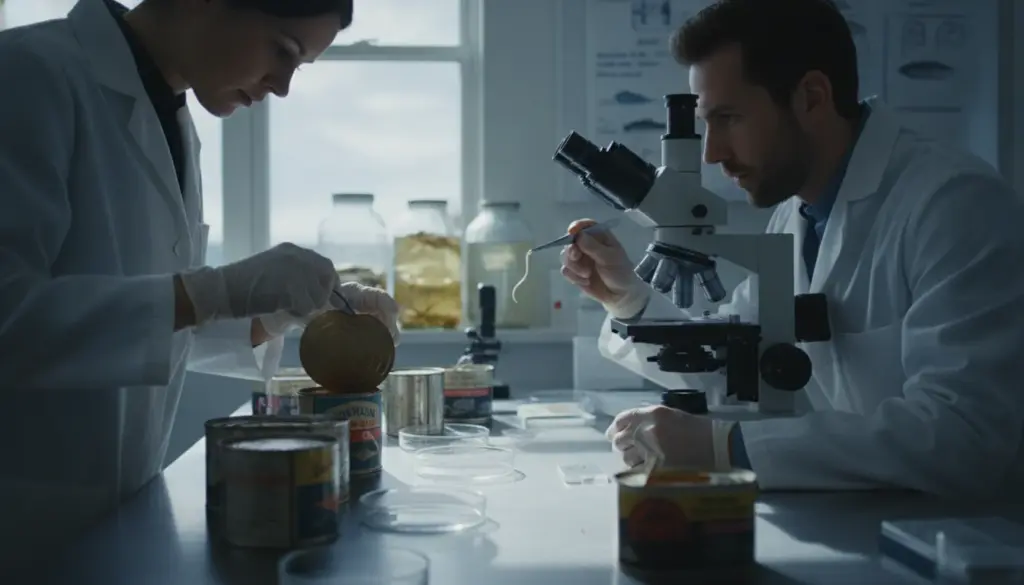
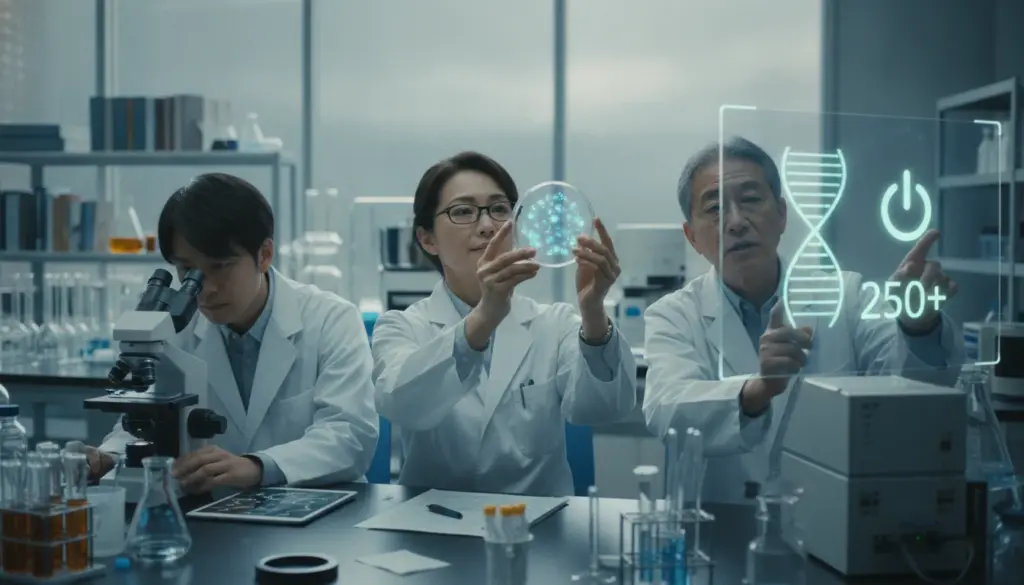
Turning Fiction Into Reality Inside a Petri Dish
Getting older often feels like an unavoidable part of human existence, bringing about stiff joints, stubborn wrinkles, and a weakened immune system. However, a groundbreaking laboratory discovery suggests that our biological clock might actually feature a built-in pause button. A team of Japanese researchers believes they have pinpointed a fundamental molecular switch that dictates how our bodies age.
During controlled laboratory experiments, these experts successfully manipulated old human cells, prompting them to function with the vitality of youth simply by disabling a single key protein. While this stunning breakthrough naturally sparks wild imaginations of humanity thriving for 150, 200, or even 250 years, it simultaneously forces us to confront monumental medical hurdles and profound ethical dilemmas.
The Hidden Mechanics of Getting Older
On a microscopic level, physical decline is not a random sequence of events; it follows a highly predictable blueprint. Over time, our cells swell in size, permanently halt their division process, and stubbornly refuse to die off. In the scientific community, this zombie-like phase is formally known as cellular senescence.
As the decades pass, these senescent cells aggressively accumulate throughout our tissues. Far from being harmless bystanders, they actively degrade surrounding structures and trigger a state of chronic inflammation. This cellular dysfunction is heavily tied to age-related conditions like cardiovascular disease, osteoporosis, specific forms of cancer, and neurodegenerative disorders such as Alzheimer’s.
A Breakthrough at Osaka University
Seeking to understand the architecture of aging, researchers based at Osaka University turned their microscopes toward the internal framework of these elderly cells. They quickly noticed a glaring structural anomaly: the internal stress fibers—protein threads responsible for cellular shape and rigidity—were significantly thicker and less flexible.
These older cells were not merely exhausted; they were physically hardened, enlarged, and mechanically trapped in a permanent state of cellular lockdown. Upon closer inspection of these rigid fibers, the Japanese team discovered an overwhelming concentration of a specific protein known as AP2A1, marking the beginning of a massive anti-aging revelation.
AP2A1: The Protein That Freezes Time
While the AP2A1 molecule has been known to science for some time, its critical influence over the aging process remained a mystery until now. Findings published in the journal Cellular Signalling revealed that elderly cells harbor drastically higher volumes of this protein compared to their youthful counterparts.
According to lead researcher Pirawan Chantachotikul, the heavy presence of this protein essentially turns cellular stress fibers into rigid barricades. This stiffness forces the cell to remain massive and immobile, effectively locking it into a deteriorated, elderly state.
- Elevated AP2A1 levels: Leads to thickened stress fibers, creating stiff, elderly cells.
- Reduced AP2A1 levels: Results in softer fibers, promoting flexible, youthful cellular behavior.
- Direct manipulation: Altering this protein instantly dictates the physical actions and lifespan of the cell.
Hitting the Rejuvenation Button
Armed with this structural knowledge, researchers decided to intentionally alter AP2A1 levels across various human cell lines. When they successfully blocked the production of this protein in senescent cells, the results were staggering. The previously dormant cells rapidly shrank to a youthful size and immediately resumed their division cycles.
By simply flipping this molecular switch, the scientific team effectively reversed severe signs of cellular aging and rebooted normal, youthful biological functions. To confirm their hypothesis, they performed the exact opposite test on young, healthy cells.
When they artificially flooded young cells with excess AP2A1, the aging process rapidly accelerated. The youthful cells swelled up, became incredibly sluggish, and quickly entered a state of senescence. This dual-sided experiment proved that AP2A1 acts as a direct molecular dial: turning it up fast-forwards aging, while dialing it back restores youth.
Taking Out the Trash with IU1
Of course, mechanical stiffness is only one facet of cellular aging; there is also the issue of molecular garbage. Over a lifetime, cells become clogged with damaged proteins and metabolic waste, which severely disrupts their basic functions. To tackle this, the researchers introduced IU1, a specialized chemical compound designed to kickstart the cell’s internal waste disposal mechanisms.
Combining the AP2A1 blockade with an intense IU1 chemical cleanse yielded the most remarkable outcomes of the entire study. The older cells shed a massive amount of traditional aging markers, visually and functionally behaving as though their biological clocks had been wound backward. Blocking the aging protein while clearing out cellular debris fundamentally reversed the aging footprint.
The 250-Year Lifespan: Fact or Fiction?
Headlines promising a magical off-switch for aging that gifts us two extra centuries of life certainly sound exhilarating, but the clinical reality remains incredibly complex. Currently, these triumphant results are strictly confined to isolated cells sitting inside highly regulated laboratory incubators.
Transitioning from a successful petri dish experiment to a safe, ingestible human drug is a monumental journey. Extensive animal trials are still required to determine if tweaking AP2A1 in a complex, living organism can rejuvenate aging tissue without triggering catastrophic side effects.
The most terrifying hurdle in any anti-aging pursuit is the threat of cancer. Forcing dormant cells to suddenly multiply again is inherently dangerous. If a systemic treatment were to wake up billions of senescent cells, it could theoretically provide the perfect environment for dormant cancer cells to aggressively mutate and spread.
A World Rewritten by Extreme Longevity
Assuming that a highly controlled, safe AP2A1 therapy reaches the public in a few decades, it likely wouldn’t grant immortality. However, successfully rolling back biological age by 20, 30, or 50 years would completely dismantle modern society as we know it.
Humanity would have to drastically reimagine the timeline of life. Careers would span nearly a century, retirement ages would skyrocket, and the entire framework of global pension systems would collapse and require rebuilding. Diseases that typically strike patients in their 70s might not appear until they reach 130.
On a deeply personal level, immense ethical and psychological dilemmas would surface:
- The psychological burden: Can the human mind handle the emotional weight of living for two centuries?
- The longevity divide: Would these life-extending treatments be reserved exclusively for ultra-wealthy elites?
- Social isolation: Would you want to live to 200 if your friends and family opted out of the treatment?
Clearly, mastering anti-aging science transcends biology; it represents one of the most profound sociological shifts in human history.
Understanding the ‘Zombie Cell’ Dilemma
To truly grasp the magnitude of this Japanese study, one must understand that cellular senescence is entirely different from cell death. A senescent cell is still very much alive, but it refuses to function normally, opting instead to secrete toxic chemicals that harm surrounding tissue.
In our youth, these dormant cells actually serve a vital purpose, rushing to stabilize wounded tissue during injuries. The crisis only begins later in life when our immune system forgets to clear them out. In recent years, the medical world has been obsessed with senolytics—drugs engineered to hunt down and destroy these old cells.
This new research, however, completely pivots from that approach. Instead of merely killing off the cellular zombies, modulating the AP2A1 protein allows scientists to actually rehabilitate and cure them.
What the Future of Anti-Aging Treatments Looks Like
If AP2A1 therapies successfully pass human trials, they probably won’t debut as a miraculous daily pill for eternal youth. Medical experts anticipate they will first emerge as highly targeted, localized treatments for severe age-related degeneration.
Future applications could dramatically alter how we treat:
- Neurodegenerative disorders: Calming the chronic brain inflammation fueled by old, toxic cells.
- Severe muscle atrophy: Rebooting the cellular regeneration process in elderly patients who have lost critical muscle mass.
- Joint and cartilage decay: Speeding up slow repair mechanisms by injecting rejuvenating compounds directly into arthritic knees or hips.
By delivering a combination of AP2A1 modulators and IU1 cleaners directly into failing tissue via advanced nanoparticles, doctors could entirely bypass the cancer risks associated with full-body treatments.
Yet, even if scientists perfect the ultimate biological pause button, traditional health metrics will never become obsolete. Groundbreaking therapies might reset the clock, but daily lifestyle habits—such as managing stress, eating a nutritious diet, prioritizing deep sleep, and staying active—will always determine just how fast that clock starts ticking again.