
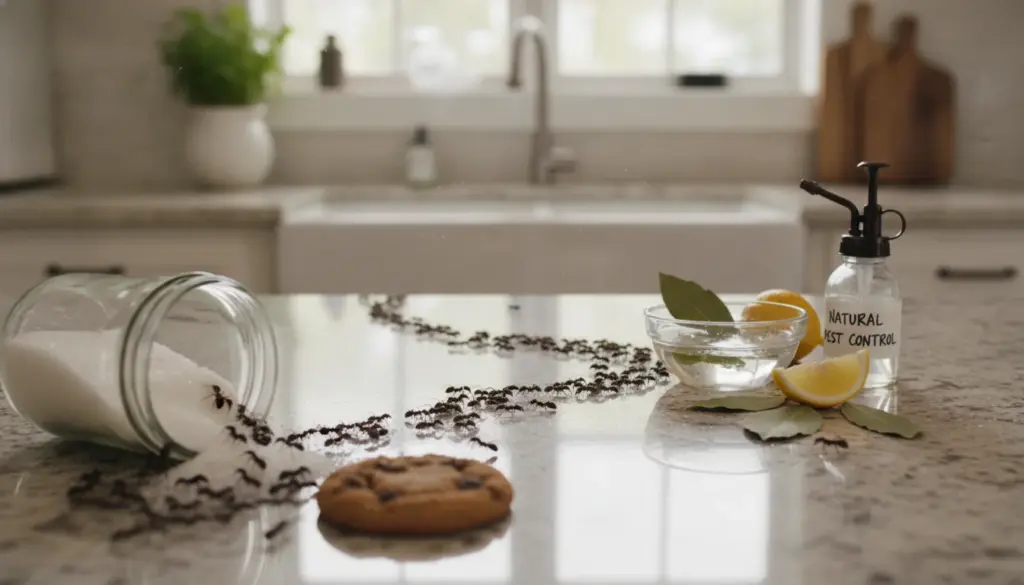
Discovering an active ant trail marching right across your countertops is enough to make anyone shudder. These relentless foragers are constantly hunting for their next meal, inexplicably drawn to anything rich in protein or sugar.
Before reaching for harsh chemical sprays, it is highly recommended to explore natural solutions. By utilizing a few proven household staples, you can effectively disrupt their ranks and reclaim your cooking space.
What Draws Ants Inside Your Home
Typically, these tiny intruders breach your walls with one primary goal in mind: finding sustenance. Highly alluring items like sugary treats, sticky beverage spills, and even exposed pet food act as powerful magnets for scouting insects. They exploit microscopic structural vulnerabilities, sneaking in through poorly sealed windows, tiny cracks in the masonry, or hidden gaps around utility pipes.
Once a single scout locates a reliable food source, the real trouble begins. The insect leaves behind a distinct chemical scent trail, acting as a navigational beacon that summons the rest of the colony. To permanently resolve this crawling nuisance, focusing on eliminating the underlying attraction is absolutely essential.
Effective Household Remedies for Eradicating Ants
Rather than relying on aggressive toxins, several everyday items offer an excellent first line of defense against these unwanted guests. Here are the most reliable methods to halt their advance:
- Aromatic herbs and spices: Positioning fragrant items like lavender, cloves, cinnamon, or lemon peels near entryways overwhelms the pests. The pungent odors severely disrupt their delicate sense of direction.
- Equal parts vinegar and water: Blending white vinegar with tap water creates a highly effective neutralizing spray. Dousing their active marching routes instantly washes away the invisible pheromone track, leaving incoming foragers completely lost.
- Chalk barriers: Drawing a heavy, solid line of basic chalk across thresholds or windowsills creates a surprising deterrent. The powdery texture interferes with their scent tracking and is physically irritating for them to traverse.
- Adhesive traps: Double-sided sticky tape or commercial glue strips provide a foolproof mechanical blockade. Strategically placed around table legs or door frames, these bands trap the insects upon contact.
- Diatomaceous earth: This incredibly fine powder works by micro-abrasion, compromising the insect’s protective exoskeleton and leading to rapid dehydration. Simply sprinkle a minimal amount along floorboards, but strictly avoid inhaling the dust and ensure it remains inaccessible to young children and animals.
Why You Should Skip the Chemical Bug Sprays
Pest management professionals frequently advise against utilizing synthetic insecticidal treatments indoors. While these aggressive formulas will certainly eliminate the immediate threat, they often introduce lingering toxins into your kitchen environment, posing unnecessary health risks to your household and the broader ecosystem.
How to Keep Your Kitchen Permanently Pest-Free
The absolute best strategy for dealing with an infestation is to ensure one never starts in the first place. This requires a steadfast commitment to restricting access to all potential food sources. Adopting a rigorous cleaning routine is crucial—wipe down surfaces immediately after meals and sweep up fallen crumbs without delay.
Furthermore, all pantry staples must be transferred into heavy-duty, airtight containers to keep foragers locked out. It is also wise to thoroughly inspect the rubber gaskets on your refrigerator, as worn seals can occasionally provide enough clearance for tiny scavengers to slip through.
Finally, stay vigilant regarding your household waste and newly introduced items. Rinse out glass recycling thoroughly, as microscopic beverage residues act as a beacon, and never let dog or cat bowls sit filled overnight. Take time to caulk any noticeable drafts or crevices along your exterior walls, and always thoroughly inspect the soil of freshly purchased houseplants, as entire colonies can secretly hitch a ride inside the root system.