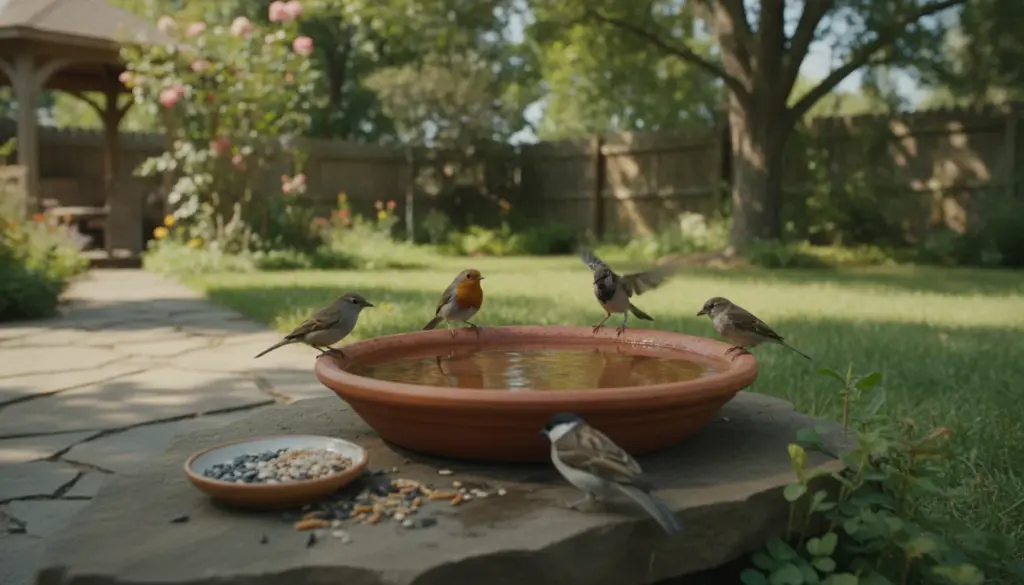
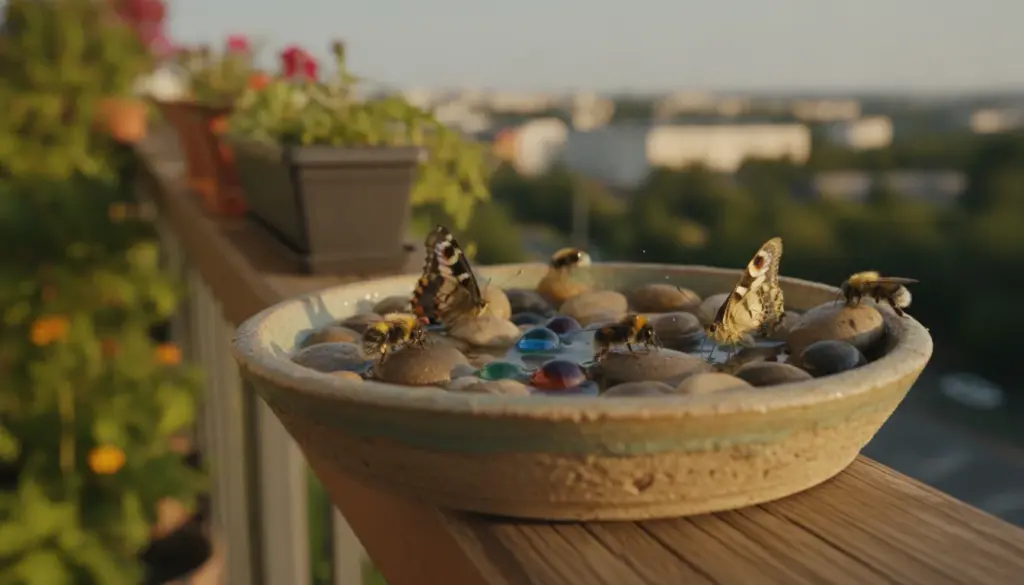
During scorching summer days, natural water sources frequently dry up, leaving bees, bumblebees, and other pollinators at extreme risk of dehydration. Crafting a basic watering station provides these vital creatures with a much-needed lifeline.
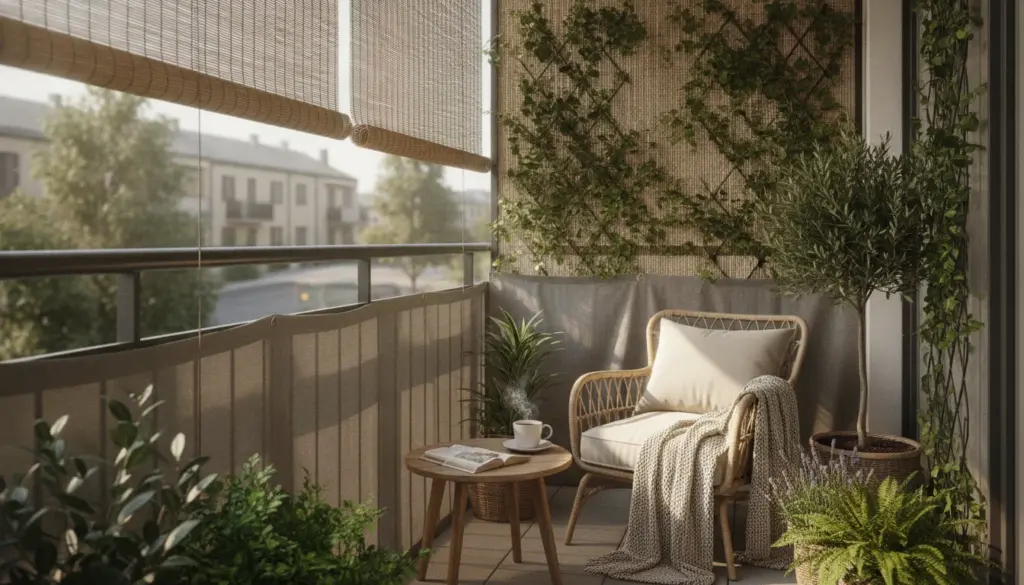
Extended periods of drought and extreme heat do not just take a toll on us. Thirsty insects, including butterflies and bumblebees, often struggle to find safe places to drink. This lack of hydration becomes especially critical in urban environments or on apartment balconies, turning into a severe threat for these beneficial bugs. Fortunately, putting together a homemade insect drinking pool offers a remarkably easy and highly effective remedy.
Crafting Your Own Insect Watering and Feeding Station
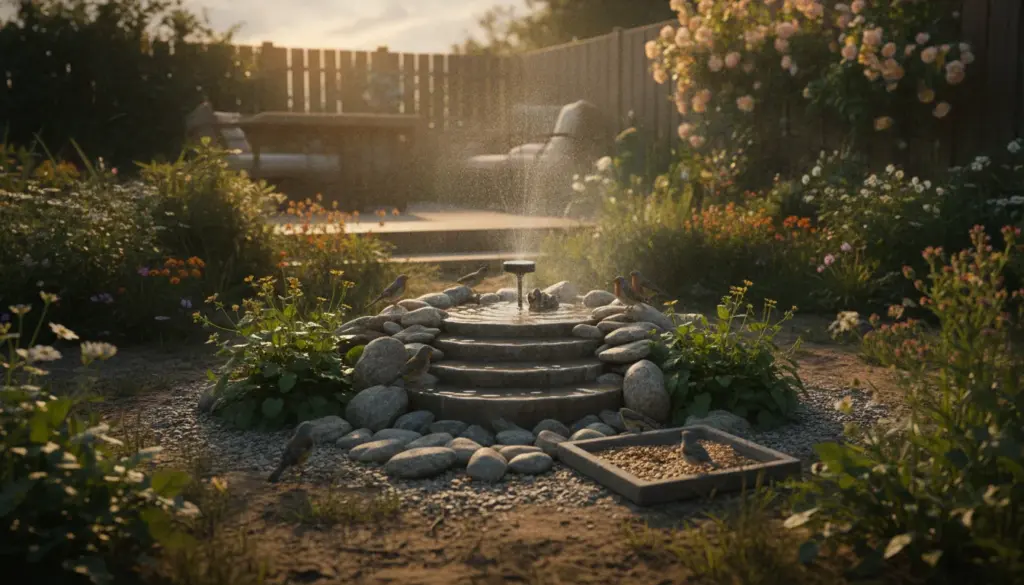
You can easily set up a secure hydration spot for pollinators using basic items you likely already have lying around the house or garden. Providing this refreshing pit stop does more than just quench their thirst. For wild bees and bumblebees, readily available water is actually a crucial resource required for constructing their nests.
By setting this up, you actively support local biodiversity while getting the chance to observe these fascinating creatures up close.
While the required materials are minimal, the physical arrangement of your setup is absolutely critical. Without the correct layout, a well-meaning water basin can quickly turn into a deadly drowning trap for tiny visitors. Taking care to build an optimal, carefully arranged layout is the key to ensuring your garden guests feel completely safe and welcome while they drink.
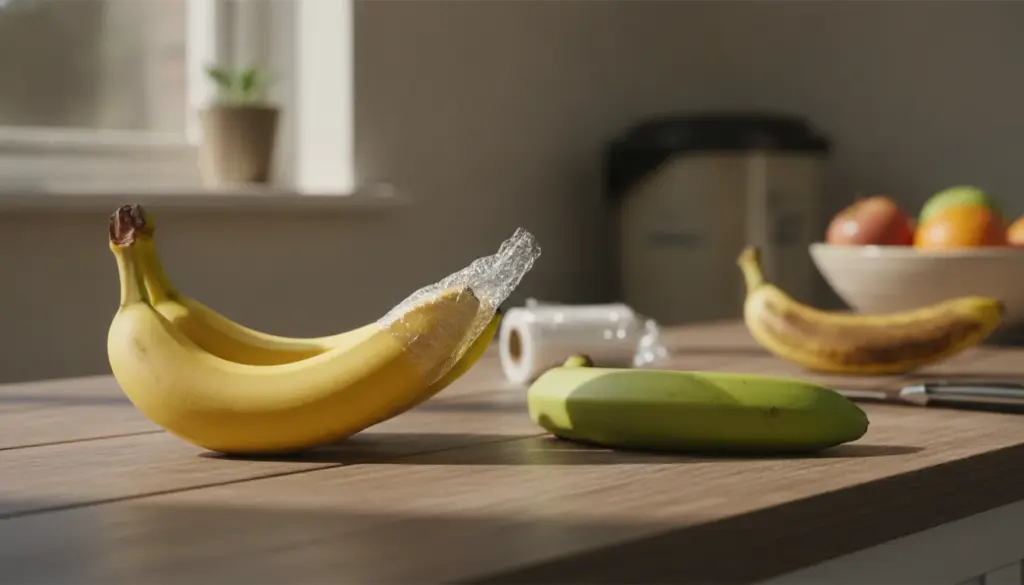
Beyond providing water, you can also support butterflies by setting up a dedicated feeding area, which proves particularly beneficial as autumn approaches. Simply take slightly mashed, overripe fruits—such as bananas, plums, or orange slices—and lay them out on a shallow dish.
Alternatively, you can cultivate insect-friendly vegetation like woodland sage. Planting these naturally resilient blooms draws in bees and other pollinators, ensuring they always have an abundant and reliable food supply right outside your door.