Surprising Growth in the Hydrogen Sector
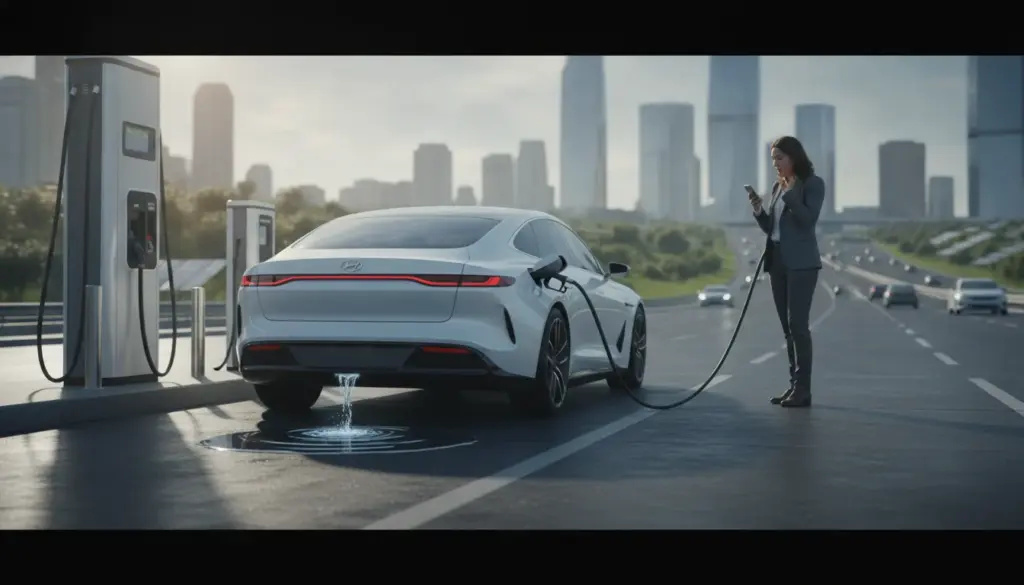
Battery-powered vehicles might rule the roads right now, but a fascinating alternative is quietly making its move. Imagine pulling away from a pump after just a few minutes, leaving nothing behind but a tiny puddle of pure water. While this eco-friendly dream sounds absolutely perfect, the reality of hydrogen-powered driving carries a few hidden complications.
Fuel cell electric vehicles, commonly known as FCEVs, experienced an impressive global surge of 24.4 percent in 2025. Even though they started from a relatively small baseline, this long-standing niche market is clearly gaining significant momentum. Interestingly, this upward trajectory stands in stark contrast to the slight cooling observed in the traditional battery-electric market across certain regions.
The underlying engineering is quite elegant. Rather than relying on a heavy battery pack that requires hours plugged into a wall, these vehicles utilize an advanced fuel cell. Inside this specialized component, stored hydrogen mixes with ambient oxygen to generate electricity on the fly. You can essentially think of these machines as standard electric cars carrying their very own miniature power plants onboard.
Automotive giants like Hyundai and Toyota continue pouring resources into this technology. Their focus remains heavily concentrated on specific global hubs, including California, Japan, South Korea, and select areas within Germany.
The Magic Behind the Water-Only Exhaust
Those harmless droplets dripping from the tailpipe are the direct result of brilliant electrochemistry. Unlike traditional internal combustion engines that burn diesel or gasoline, a hydrogen powertrain doesn’t rely on fire at all. Because there is absolutely no combustion taking place, zero carbon dioxide exits the rear of the vehicle.
Here is exactly what happens deep inside the complex system:
- Ultra-pressurized hydrogen sits safely within specialized onboard storage tanks.
- The fuel cell acts as a chemical splitter, separating the hydrogen molecules into protons and electrons.
- Those freed electrons are instantly routed to the electric motor to provide driving power.
- Finally, the protons and electrons recombine with oxygen from the outside air, creating pure H₂O as the sole byproduct.
From the driver’s seat, the experience feels virtually identical to piloting a standard battery-electric model. You still get that wonderfully silent cabin, incredibly smooth acceleration, and instant torque when you press the pedal.
The Hidden Catch: Sourcing the Fuel
That innocent little water droplet actually masks a much larger environmental debate regarding the fuel’s origin. The exact method used to produce hydrogen ultimately determines whether these cars are genuine climate saviors or simply shifting emissions elsewhere. If the manufacturing process isn’t completely green, the total carbon footprint can actually exceed that of traditional fossil fuels.
Industry experts generally categorize this fuel into three distinct color codes: gray, blue, and green. Unfortunately, the vast majority of industrial hydrogen produced globally today remains gray. This means that a futuristic car running on conventionally sourced hydrogen often fails to deliver the massive climate benefits promised by glossy marketing campaigns.
Hydrogen Versus Traditional Battery Power
The ultimate battle for zero-emission dominance really comes down to two distinct philosophies: carrying your electricity in a battery versus generating it from gas. Each engineering approach brings highly specific advantages and significant drawbacks to the table.
Where Fuel Cells Dominate
- Lightning-fast refueling: Pressurizing the tanks takes just three to five minutes, perfectly mimicking the familiar gas station routine.
- Impressive range: Drivers can easily achieve 500 to 700 kilometers of travel without needing massive, cumbersome battery packs.
- Weight advantages: By ditching heavy lithium-ion arrays, these vehicles stay notably lighter, which is especially beneficial for larger passenger vehicles.
- Heavy transport: This technology shines brightest in the commercial sector, offering highly practical solutions for long-haul trucking and city bus routes.
Where the Technology Struggles
- Scarcity of stations: Refueling infrastructure remains incredibly sparse across Europe, with only a tiny handful of active locations operating in places like the Netherlands and Belgium.
- Financial hurdles: Both the initial purchase price of the vehicles and the cost per kilometer for the fuel heavily outweigh traditional EV expenses.
- Systemic inefficiency: Converting electricity into hydrogen and back into electricity results in massive energy losses along the supply chain.
- The network effect: While public charging plugs multiply exponentially on street corners, commercial investment in passenger hydrogen stations lags far behind.
The Brutal Reality of Energy Loss
Behind closed doors, energy planners focus heavily on one crucial metric: total system efficiency. When analyzing how much generated grid power actually reaches a vehicle’s wheels, the numbers tell a very clear story.
A standard battery-powered car manages to deliver roughly 70 to 80 percent of its initial electrical charge directly to the drivetrain. Conversely, the complex hydrogen supply chain—involving electrolysis, intense compression, physical transport, and chemical conversion—often leaves less than 35 percent of the original energy intact.
Put simply, one kilowatt-hour of valuable renewable energy pushes a battery-electric vehicle significantly further down the highway. In our current landscape where green electricity remains both precious and expensive, routing that power directly into a battery makes far more logistical sense than taking the hydrogen detour.
Driving Forces Behind the Recent Sales Bump
Despite these undeniable efficiency hurdles, the 24.4 percent market surge didn’t just happen by accident. Robust government interventions, including lucrative tax breaks, generous subsidies, and municipal fleet adoptions, are heavily supporting this technology in specific countries. Japan, for instance, views hydrogen as a massive strategic priority to drastically reduce its historical reliance on imported oil.
Furthermore, manufacturers already developing heavy-duty fuel cells for commercial logistics often drop those same powertrains into passenger cars to showcase their engineering prowess. There is also a distinct demographic of everyday drivers who simply refuse to wait at charging cables or lack the private driveway space for a home wallbox. For these specific buyers, living near a commercial hydrogen pump makes the technology incredibly appealing.
What This Means for Local Markets
Spotting a fuel cell vehicle navigating the streets of the Benelux region remains an incredibly rare event. Regional policymakers have planted their flags firmly in the battery-electric camp, pushing massive public charging expansions alongside heavy financial incentives for plug-in drivers.
However, massive industrial investments are still flowing into the sector. Major port authorities in Antwerp and Rotterdam are aggressively positioning themselves to become premier European hubs for green hydrogen production and distribution. The primary targets here are heavy industry and maritime shipping, not necessarily the morning commute.
Whether regular passenger vehicles will eventually piggyback on this industrial infrastructure remains highly uncertain. Without a densely woven network of convenient retail pumps, the barrier to entry remains far too high for the average consumer. Leasing companies remain hesitant about adoption, future resale values look murky, and the underlying tech continues evolving at a rapid pace.
A Glimpse into a 2030 Road Trip
Fast forward a few years, and imagine taking the keys to a brand-new hydrogen family sedan boasting a solid 650-kilometer range. Your closest refueling depot sits about 15 kilometers away, strategically placed along a major commuter highway.
Navigating this landscape requires the same careful route planning currently practiced by early EV adopters. While the actual nozzle time takes merely five minutes, you might still find yourself waiting in a queue because the station only features a single dispensing unit.
Ultimately, the pump price will dictate this technology’s consumer survival. If retail fuel prices remain inflated, drivers will naturally gravitate toward highly efficient plug-in hybrids or next-generation battery models. However, if massive offshore wind farms suddenly flood the market with incredibly cheap green hydrogen, the economic scales could tip dramatically overnight.
Essential Industry Terminology
Understanding this evolving landscape requires wrapping your head around a few key engineering concepts:
- The Fuel Cell: This acts as the mechanical heart of the machine. It functions essentially like an open battery, continuously blending stored gases to generate live electrical currents.
- Electrolysis: This is the crucial manufacturing process that utilizes raw electricity to split ordinary water into distinct hydrogen and oxygen elements.
- 700-Bar Storage: Passenger models safely compress their gaseous fuel at incredibly high pressures, requiring phenomenally strong, aerospace-grade composite tanks.
As a daily driver, you will never notice these complex mechanics at work. The refueling process feels intensely pressurized and slightly loud, but rigorous safety protocols closely mirror those already established for compressed natural gas stations.
Future Risks and Long-Term Potential
One looming threat to this passenger market is fierce cross-industry competition. Heavy sectors like steel manufacturing and chemical refining are hungry for massive quantities of green fuel. If industrial demand absolutely skyrockets, retail supply for passenger vehicles could become severely restricted and wildly expensive.
Conversely, a massive global rollout could easily trigger wonderful economies of scale. We might witness the construction of colossal production facilities that dramatically stabilize pricing and rapidly expand consumer infrastructure. In this optimistic scenario, fuel cells could secure a permanent, specialized niche powering massive luxury SUVs and demanding commercial fleets.
The most realistic forecast points toward a highly segregated automotive future. Dense urban centers will likely be dominated almost entirely by standard battery-electric transit. Meanwhile, critical freight corridors and major highways will sprout specialized hydrogen depots to service long-haul trucks and a select group of premium passenger vehicles. Ultimately, the car that casually drips water from its tailpipe will absolutely secure its place on the road, albeit as a highly specialized player in our broader mobility transition.