Summer brings the irresistible urge to unwind in our own open-air sanctuaries. Even if you only have a compact balcony or a narrow loggia, transforming that limited footprint into a snug retreat is entirely possible.
Welcoming the warm season usually means spending more time on your private terrace. Unfortunately, these seasonal open-air living rooms frequently end up neglected. Creating a truly inviting atmosphere is actually quite simple. You only need five straightforward adjustments to craft your personalized backyard alternative.
Step 1: Selecting the Ideal Flooring
Consider yourself fortunate if your outdoor space already features wooden decking. More frequently, you will be greeted by dreary tiles or uninviting concrete. Laying down interlocking outdoor wooden tiles is one effective remedy. For a faster, equally striking transformation, consider a waterproof and UV-resistant outdoor rug. This simple addition instantly extends your indoor living room vibe to the exterior. Just ensure your chosen carpet allows for proper drainage after heavy rainfall—otherwise, it can quickly become a soggy, moss-covered sponge.
Step 2: Furnishing Your Open-Air Room
How you intend to use the space dictates your furniture choices. Some individuals dream of al fresco dining, while others prefer quietly flipping through a book. Alternatively, creating a lush plant paradise might be your only priority. When dealing with a limited outdoor footprint, committing to one primary function is essential.
The Balcony as an Outdoor Dining Area
Setting up a proper dining table surrounded by chairs creates the ultimate setting for summer barbecue evenings with friends. If you have the square footage, this is a fantastic option. Always verify there is ample room to push chairs backward so guests can stand up comfortably. Opting for benches can save precious space since they remain stationary.
Do not despair if your balcony is on the narrower side, as a small seating arrangement is still achievable. Folding chairs tuck away effortlessly into corners when not in use. Pairing them with a clever folding table that hooks directly onto the railing allows you to enjoy sunlit meals without sacrificing floor space.
The Balcony as a Chill-Out Zone
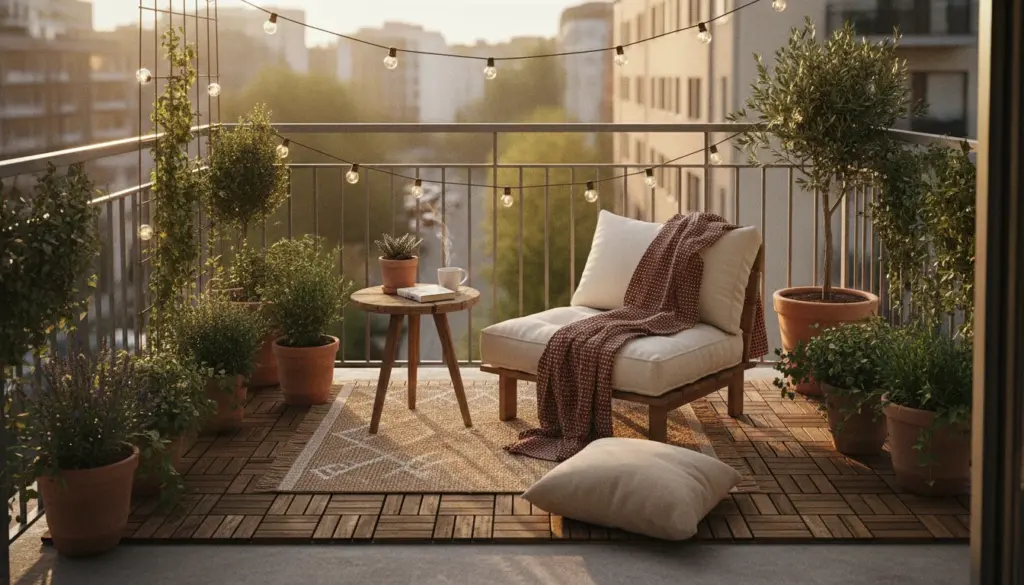
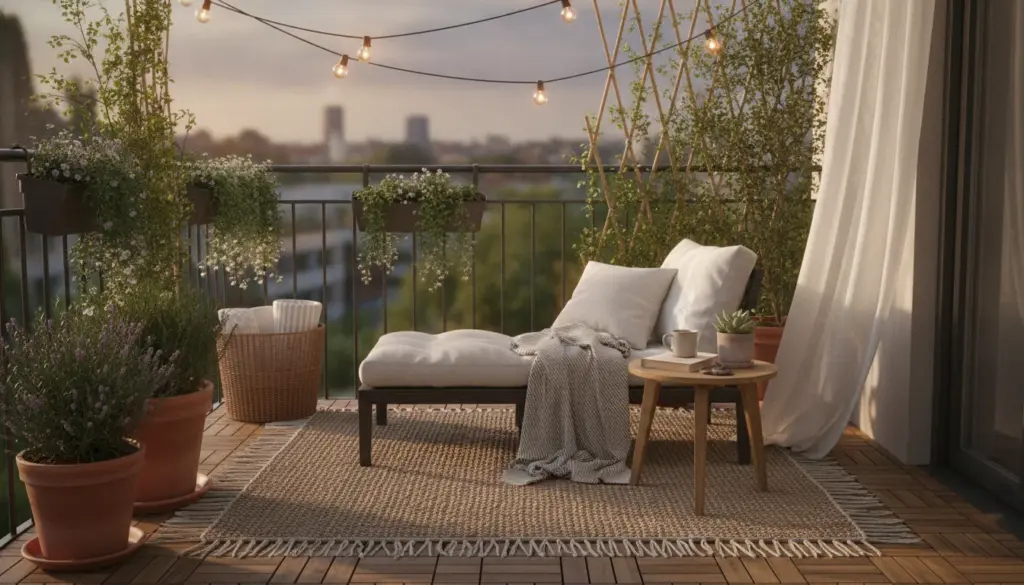
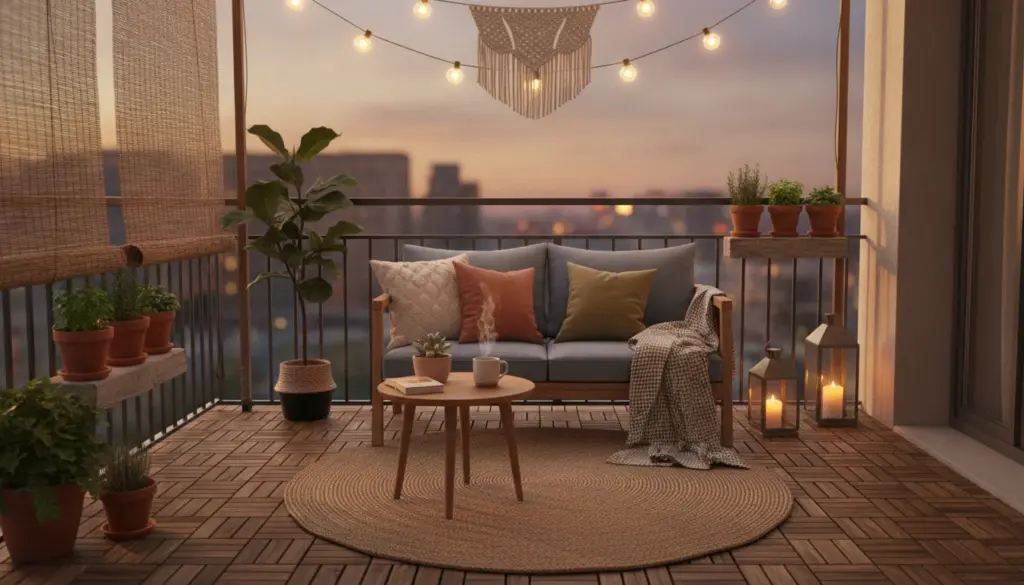
If your ultimate goal is pure relaxation with an occasional cup of coffee, a massive dining table is unnecessary. Lounge furniture is available to fit virtually any dimensions. Spacious areas easily accommodate expansive seating arrangements or an outdoor sofa. Even on tiny balconies, you can typically squeeze in a comfy lounge chair or two. Models featuring pull-out footrests are brilliant for kicking your feet up. Add a compact side table, and your cozy reading and coffee nook is complete.
The Balcony as a Miniature Garden
When transforming your exterior into a botanical haven, standard furniture takes a back seat. An assortment of stools, a dedicated potting bench, and vertical shelving units will house all your necessary equipment. Thinking multifunctional is critical in tight quarters: a sturdy storage chest can hold your pruning shears and plant pots while simultaneously serving as a convenient place to sit.
Choosing the Right Furniture
When selecting outdoor pieces, your personal taste should take the lead. Whether choosing wood, metal, or polyrattan; leaning toward modern, romantic, or bohemian styles: the final decision rests entirely with your aesthetic preferences. To avoid visual clutter in restricted spaces, it is highly recommended to stick to one cohesive design language rather than mixing styles haphazardly. Keeping your color palette restrained also prevents a tiny balcony from feeling overwhelming.
Crucially, pay attention to the directional orientation of your home. North-facing balconies receive minimal sunlight, meaning materials dry at a much slower pace and demand exceptional weather resistance. Conversely, a south-facing spot bakes in the summer heat. Metal furniture placed here can quickly become dangerously hot to the touch.
Step 3: Integrating Vibrant Greenery
An outdoor retreat simply feels incomplete without plants. Limited square footage still offers abundant opportunities to incorporate containers without sacrificing valuable moving room. Always match your botanical choices to your specific light conditions. East- and west-facing areas generally provide a friendly environment for most flora. On a shaded northern balcony, only moisture-tolerant plants that thrive away from direct sun will flourish. In contrast, foliage exposed to the intense southern sun must endure extreme heat, making resilient Mediterranean varieties an excellent choice.
Beyond sunlight requirements, let your palate and preferences guide you. Filling your planters with fragrant summer blooms is a classic approach. Growing your own edibles right outside your door is equally rewarding. Herbs, strawberries, and spring onions require remarkably little pot space. With just a fraction more room, your balcony can rival a traditional garden plot. Vegetables sprout beautifully in a miniature raised bed or a compact greenhouse structure. You can even cultivate dwarf fruit trees like apple or plum, alongside potted berry bushes. Establishing an urban snacking garden bursting with tomatoes and berries is completely achievable on the smallest of patios.
Step 4: Decorative Touches for Maximum Coziness
Often, your planters naturally serve as your primary decorative elements. To maintain a serene and uniform aesthetic, try sticking to a specific color motif, such as using exclusively terracotta pots for a warm, Mediterranean ambiance.
Textiles are the ultimate secret to achieving genuine comfort outdoors. Alongside your weather-resistant rug, consider adding durable tablecloths, supportive seat cushions, and decorative throw pillows. Having a soft blanket on hand transforms chilly evening hours into snug, relaxing moments, though it is best to bring these fabrics indoors overnight.
The right lighting truly solidifies a magical atmosphere. Solar-powered string lights require zero effort and automatically illuminate your sanctuary every dusk. However, use them thoughtfully and avoid excessive brightness, as unnecessary light pollution can disrupt local wildlife. Using warm LED lamps and sheltered hurricane lanterns provides a similarly romantic glow.
Step 5: Implementing Sun and Privacy Protection
Fully enjoying your staycation requires adequate shielding from harsh UV rays. The market offers a vast array of parasols and shade sails. Before investing, always review your building’s regulations, as some homeowner associations restrict certain colors or structures. Providing adequate sun protection also saves your delicate plants from scorching on sweltering days.
In densely populated areas, neighbors and pedestrians might have a direct view onto your seating area. Installing a reliable privacy screen keeps prying eyes at bay. Simple bamboo mats easily cover exposed railings, while tall ornamental grasses planted in sizable containers create a natural, living barrier. Vertical gardening is another excellent shielding strategy: securely attach a trellis to your balustrade and encourage ivy or blackberry vines to climb. Just be cautious, as aggressive, fast-growing climbers can occasionally damage the building’s exterior facade.
FAQ: Essential Tips for a Cozy Balcony
How can I make my small balcony comfortable?
Transforming a modest outdoor footprint into a personal oasis takes just a few thoughtful tweaks. Incorporating the right flooring, perfectly scaled furniture, lush greenery, and weather-resistant textiles like throw pillows instantly establishes an outdoor living room vibe. The most critical step is defining a single primary purpose for the area and maintaining a cohesive design style.
What is the best flooring for an outdoor space?
For a rapid, uncomplicated upgrade that brings indoor comfort outside, a waterproof and UV-resistant outdoor rug is unbeatable. Another fantastic option is laying down interlocking wooden deck tiles. Remember that whatever covering you choose, it must dry efficiently after rainfall to prevent it from turning into a muddy, moss-infested nightmare.
How do I turn my tiny balcony into a mini-garden?
You would be surprised by how much can thrive in a confined area. Edibles like strawberries, tomatoes, and various herbs do exceptionally well in standard containers, while dwarf fruit trees and berry bushes are specifically bred for potted life. Utilizing a compact raised bed or a small tiered greenhouse turns your patio into a highly productive space, delivering an impressive harvest without demanding much floor space.
What decor ideas make an exterior area feel more like home?
Durable outdoor textiles—such as table runners, throw cushions, and warm blankets—instantly boost the cozy factor. Matching your planting vessels, perhaps using only terracotta, ensures the visual landscape remains calm and grounded. As night falls, solar-powered fairy lights and glass lanterns automatically introduce a warm, romantic glow without the hassle of running extension cords.
Which furniture pieces work best on a narrow balcony?
Every inch matters when navigating a slender layout. Classic folding chairs and a clever drop-leaf table that mounts directly to the railing are brilliant space-saving solutions. To create a snug lounging nook, pair a slim armchair equipped with a slide-out footrest with a tiny side table. Embracing multifunctional pieces, like a storage bench that doubles as seating, helps maximize your limited square footage.